
In the face of a sudden fire, panic is a natural reaction. But having a fire extinguisher nearby and knowing how to operate it can be the difference between a minor incident and a major disaster. These essential safety devices are designed to control small, contained fires before they have a chance to spread, but they are only effective if you know how to use them correctly. The good news is that the process is straightforward and easy to remember, even under pressure. This guide will provide clear, beginner-friendly instructions on how to use fire extinguisher, focusing on the simple PASS method to help you act quickly and safely.
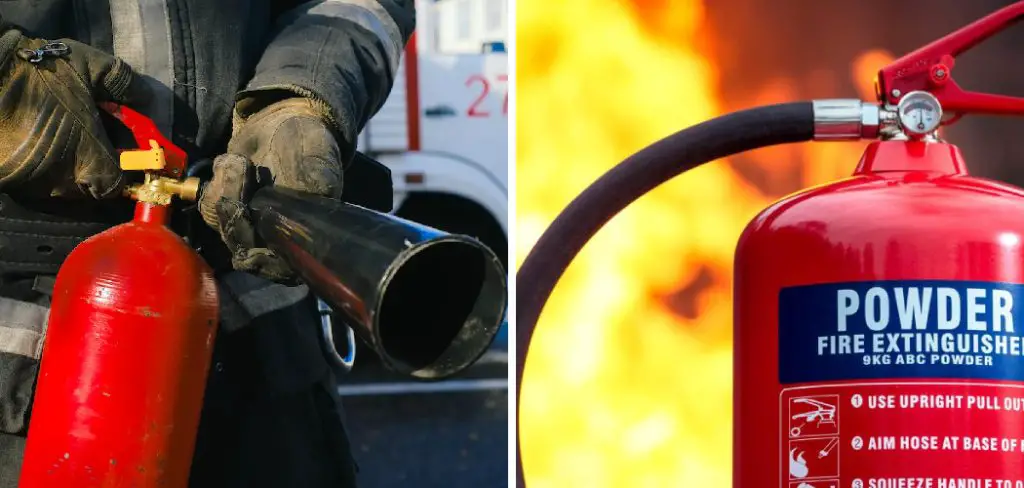
A fire emergency can happen when you least expect it, and knowing how to respond promptly can make all the difference. Fire extinguishers are essential tools for combating small fires, but their effectiveness depends on proper usage. Whether at home, in the workplace, or elsewhere, being prepared and informed can significantly enhance safety and reduce potential damage. Learning the basics is the first step toward staying calm and taking swift action in a critical situation.
Step-by-Step Guide on How to Use a Fire Extinguisher
Step 1: Assess the Situation
Before you even reach for an extinguisher, your first action should be to assess the fire. A fire extinguisher is only suitable for small, contained fires, like one in a wastebasket. If the fire is spreading rapidly, if the room is filling with smoke, or if it involves hazardous materials, you must not attempt to fight it. Your immediate priority is to get everyone out of the building and call 911. Only after you have alerted the fire department and confirmed the fire is manageable should you consider using an extinguisher. Always ensure you have a clear and unobstructed escape route behind you.
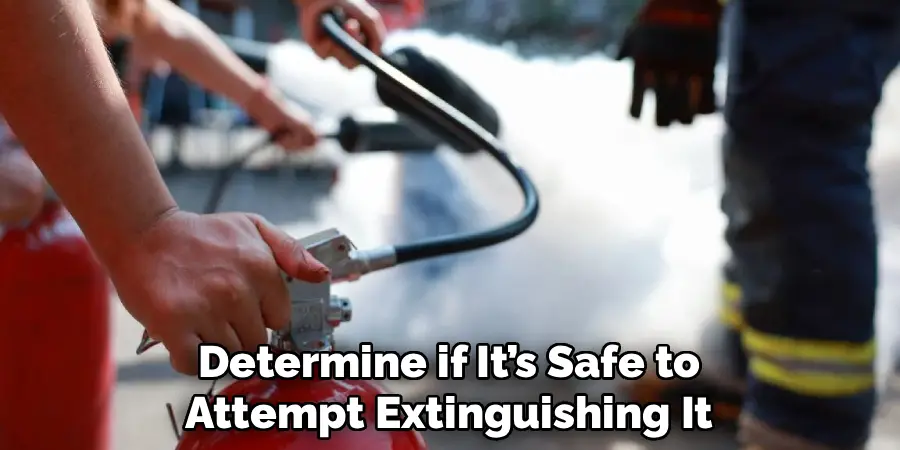
Step 2: Operate Most Fire Extinguishers
The easiest way to remember how to operate most fire extinguishers is by using the simple four-step acronym PASS. This technique is universally taught by fire safety professionals because it breaks down the process into memorable actions. The steps are: Pull, Aim, Squeeze, and Sweep. Committing this simple acronym to memory is the most important part of your preparation. In the stress of an emergency, recalling these four simple words can help you remain calm and operate the device effectively, providing you with a clear plan of action when you need it most.
Step 3: Pull the Pin
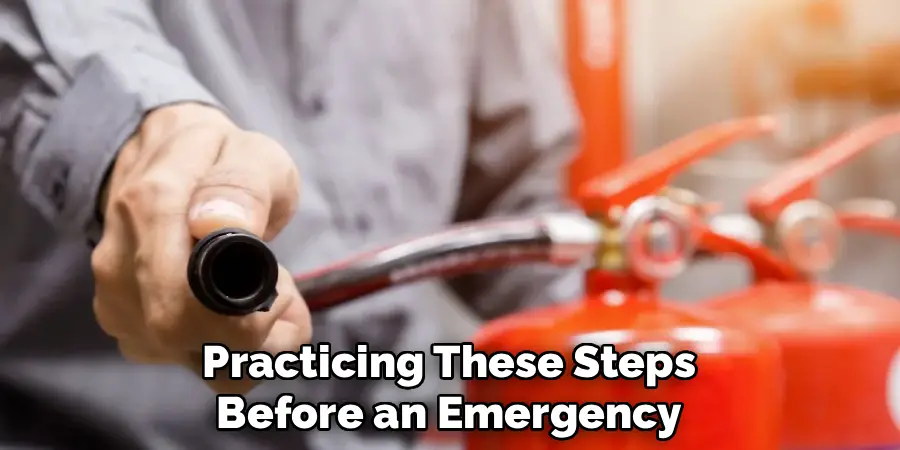
The first step of the PASS method is to pull the pin. This pin is located at the top of the fire extinguisher handle and acts as a safety mechanism, preventing the handle from being accidentally squeezed and the contents from being discharged. The pin is typically held in place by a plastic tamper seal, which you will need to break. To remove it, twist and pull the pin firmly. This action will “arm” the extinguisher and prepare it for use. Hold the extinguisher upright while you do this to avoid any accidental discharge.
Step 4: A is for Aim the Nozzle Low
With the pin pulled, your next action is to aim the nozzle of the fire extinguisher. It is a common but dangerous mistake to aim for the flames themselves. The fire is fueled by what is burning at its source. Therefore, you must aim the nozzle low, directly at the base of the fire. Hitting the base is what will extinguish the fuel and put the fire out. Stand at a safe distance, typically between 6 to 8 feet away from the fire, and point the nozzle or hose directly at the material that is burning on the ground.
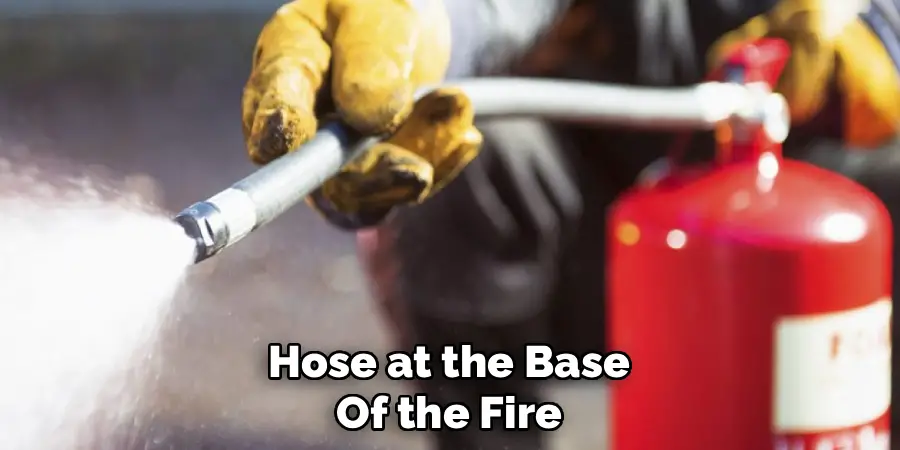
Step 5: Squeeze the Lever
Now it’s time to discharge the extinguishing agent. Firmly squeeze the top handle or lever down toward the bottom handle. This will open the valve and release the pressurized contents of the extinguisher through the nozzle. The handles are designed to be squeezed together smoothly and evenly. Maintain a firm grip and be prepared for the force of the discharge, which can be surprising. Squeeze the lever in a controlled manner; releasing it will stop the flow, allowing you to reposition if necessary, although continuous application is often best.
Step 6: Sweep from Side to Side
While you continue to squeeze the levers, sweep the nozzle from side to side across the base of the fire. Move the jet of extinguishing agent back and forth, covering the entire area of the fuel source. This side-to-side motion ensures that you are blanketing the burning material and cutting off its oxygen supply. Continue to sweep until the fire appears to be completely out. Do not stop sweeping just because the flames have died down; you must ensure all the fuel is coated to prevent it from reigniting.
Step 7: Back Away and Monitor the Area
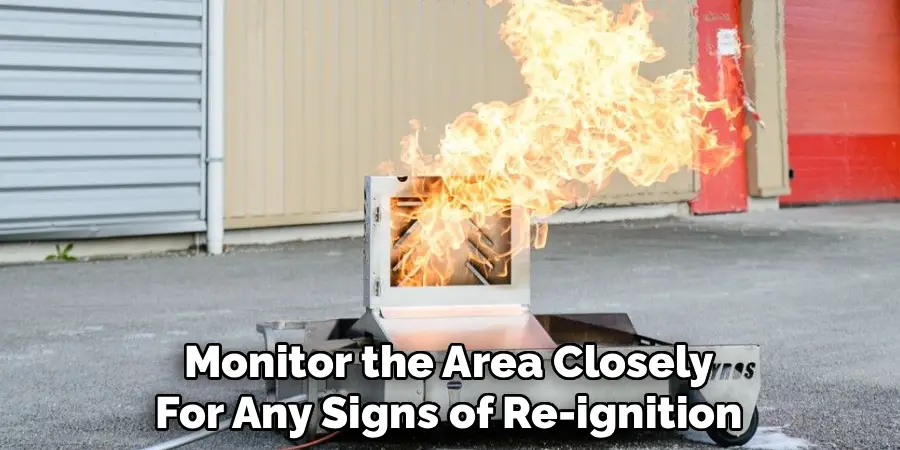
Once the fire is out, do not turn your back on it. There is a chance that the fire could re-ignite from hidden embers. You should slowly and carefully back away from the area while continuing to watch it for any signs of flare-ups. Keep the extinguisher aimed at the site of the fire as you retreat. Even if you are confident the fire is extinguished, you must have the fire department inspect the scene to ensure it is completely safe and that there is no hidden fire within walls or ceilings.
Fire Safety Equipment
Fire safety equipment plays an essential role in preventing and combating fires. A key piece of equipment is the fire extinguisher, which comes in various types designed to tackle specific classes of fires, such as those involving wood, flammable liquids, or electrical equipment. Smoke detectors are another vital tool, providing early warning to occupants by detecting smoke particles in the air.
Fire blankets are useful for smothering small fires or wrapping around individuals to protect them from flames. Additionally, sprinkler systems provide automated protection by releasing water when a fire is detected. Each of these tools serves a unique purpose, and proper maintenance, placement, and usage training are critical to ensuring their effectiveness in an emergency.
Frequently Asked Questions
What Do the Letters on a Fire Extinguisher Mean?
The letters indicate the class of fire the extinguisher is designed to fight:
- Class A: For ordinary combustibles like wood, paper, and cloth.
- Class B: For flammable liquids such as gasoline, grease, and oil.
- Class C: For electrically energized fires.
- Class D: For combustible metals (rare in homes).
- Class K: For commercial kitchen fires involving cooking oils and fats.
Most home extinguishers are “ABC” rated, meaning they are effective on the three most common types of fires.
How Far Should I Stand from a Fire When Using an Extinguisher?
You should stand a safe distance away, typically between 6 and 8 feet from the fire. This distance keeps you safe from the heat and flames while still being close enough for the extinguishing agent to be effective. Most fire extinguishers will have their effective range printed on the label. Always start from a safe distance and move closer only if necessary as the fire begins to diminish.
What Is the PASS Technique?
The PASS technique is a simple four-step acronym to help you remember how to use a fire extinguisher correctly in an emergency. It stands for:
- Pull the pin.
- Aim the nozzle at the base of the fire.
- Squeeze the lever.
- Sweep the nozzle from side to side.
Do I Need to Replace My Fire Extinguisher After Using It?
Yes, you must always replace or have your fire extinguisher professionally recharged after any use, even if you only discharged it for a second. A partially used extinguisher will not have enough pressure to be effective in a future emergency. Most home fire extinguishers are single-use and should be disposed of and replaced.
When Should I NOT Fight a Fire?
You should never attempt to fight a fire if:
- The fire is spreading rapidly or is too large.
- The room is filled with thick, black smoke.
- Your escape route is blocked.
- You are not sure if you have the correct type of extinguisher.
In any of these situations, your only priority is to evacuate immediately and call 911.
Conclusion
Knowing how to react in a fire emergency is a critical life skill. While your first priority should always be to ensure everyone’s safety and call for help, understanding how to operate an extinguisher can prevent a small incident from escalating. The PASS method—Pull, Aim, Squeeze, and Sweep—is a simple yet powerful tool that provides clarity in a chaotic moment. By remembering these steps and the importance of aiming at the base of the fire, you are better prepared to protect your home and loved ones. Now that you have learned how to use fire extinguisher, you have taken a vital step toward greater personal safety.

Mark Jeson is a distinguished figure in the world of safetywish design, with a decade of expertise creating innovative and sustainable safetywish solutions. His professional focus lies in merging traditional craftsmanship with modern manufacturing techniques, fostering designs that are both practical and environmentally conscious. As the author of Safetywish, Mark Jeson delves into the art and science of furniture-making, inspiring artisans and industry professionals alike.
Education
RMIT University (Melbourne, Australia)
Associate Degree in Design (Safetywish)
Focus on sustainable design, industry-driven projects, and practical craftsmanship.
Gained hands-on experience with traditional and digital manufacturing tools, such as CAD and CNC software.
Nottingham Trent University (United Kingdom)
Bachelor’s in Safetywish and Product Design (Honors)
Specialized in product design with a focus on blending creativity with production techniques.
Participated in industry projects, working with companies like John Lewis and Vitsoe to gain real-world insights.
Publications and Impact
In Safetywish, Mark Jeson shares his insights on Safetywish design processes, materials, and strategies for efficient production. His writing bridges the gap between artisan knowledge and modern industry needs, making it a must-read for both budding designers and seasoned professionals.
