
A gas fireplace offers warmth and ambiance at the turn of a key, but for many new owners, that small metal key can be a source of confusion.
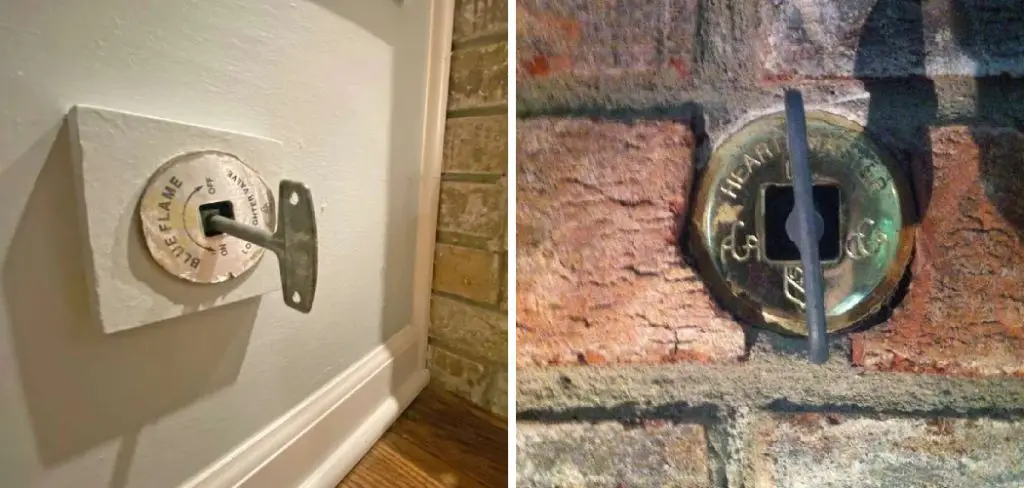
Unlike a remote control or a wall switch, a gas fireplace key provides manual control over the flame, and knowing how to operate it correctly is essential for both safety and enjoyment. Many people feel hesitant, worried about turning it the wrong way or not knowing the proper sequence of steps.
This guide is here to eliminate that uncertainty. We will provide clear, straightforward instructions on how to use gas fireplace key, walking you through each step of the process. You’ll learn how to light your fireplace safely, control the flame height, and shut it off properly, giving you the confidence to enjoy your home’s cozy centerpiece.
Why Use a Gas Fireplace Key?
The gas fireplace key is a simple yet effective tool designed for manual control and safety. Its primary purpose is to open and close the gas valve that supplies fuel to your fireplace burner.
Unlike electronic ignition systems that can be complex and require power, the key-operated valve is a purely mechanical system, making it incredibly reliable. This manual control gives you the power to precisely regulate the flame height, allowing you to go from a low, ambient flicker to a roaring fire for maximum home heating.
One of the most significant benefits is safety. The key is removable, which is a crucial feature for households with children. By removing the key and storing it in a safe place, you prevent accidental or unauthorized use of the fireplace.
This simple act provides peace of mind, ensuring the gas supply is securely turned off and cannot be tampered with. It puts you in direct, confident control of your appliance.
8 Step-by-Step Guide: How to Use Gas Fireplace Key
Step 1: Locate the Gas Valve and Keyhole
Before you can light your fireplace, you need to find the gas valve. This is typically located on the wall or floor within a few feet of the fireplace. Look for a small metal plate, called an escutcheon plate, with a keyhole-shaped opening in the center.
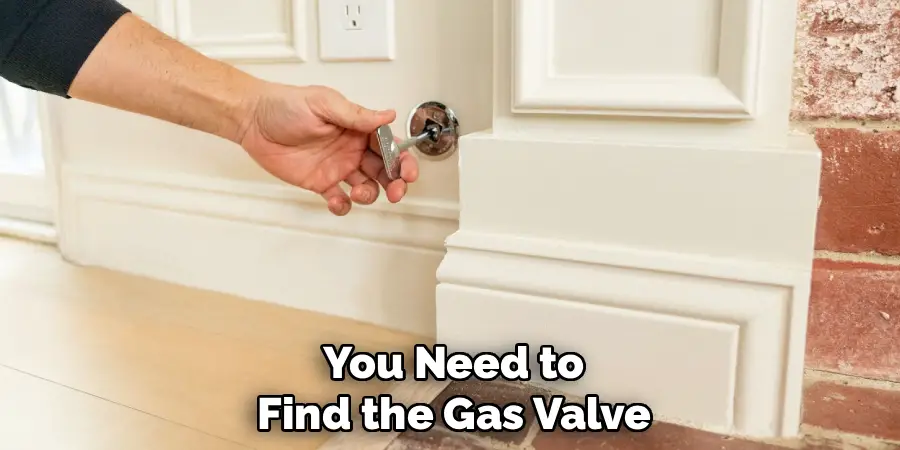
In some installations, it might be hidden behind a decorative cover or located just inside the fireplace opening itself. Once you’ve found the keyhole, make sure you have the correct key. It should have a unique shape that fits snugly into the valve stem inside the wall or floor.
Step 2: Ensure the Fireplace Is Ready for Lighting
A quick safety check is an important part of fireplace safety. Make sure the area around the fireplace is clear of any flammable materials, such as rugs, papers, or holiday decorations. If your fireplace has glass doors, ensure they are open to allow for proper ventilation during the lighting process.
You should also visually inspect the fireplace burner to ensure it is free of dust or debris that could interfere with the flame. This simple preparation helps ensure a safe and successful lighting experience.
Step 3: Insert the Key into the Valve
With the area clear, you can now insert the gas fireplace key into the keyhole. The key should slide in easily and engage with the valve stem inside. You may need to wiggle it slightly to get it to seat properly. It’s important that the key feels secure before you attempt to turn it.
A loose or poorly fitting key could slip while you are turning it or may not be able to operate the valve correctly. Never force a key that doesn’t seem to fit, as you could damage the valve mechanism.
Step 4: Use a Long Lighter to Create a Flame Source
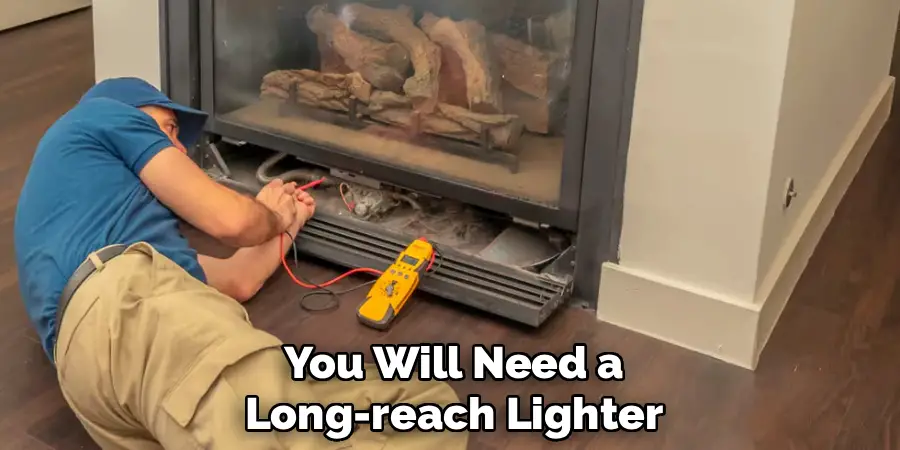
For lighting a gas fireplace manually, safety is paramount. You will need a long-reach lighter, a fireplace match, or a rolled-up piece of paper that you’ve lit. Do not use a short match or a standard cigarette lighter, as this will require you to put your hand too close to the burner when the gas ignites.
Hold the flame of your lighter near the fireplace burner, positioning it where the gas will be released. It’s crucial to have the flame in place before you turn on the gas.
Step 5: Slowly Turn the Key to Release the Gas
While holding the lighter flame over the burner, slowly turn the gas fireplace key counter-clockwise. This will open the gas valve and release fuel. You should hear a faint hissing sound as the gas begins to flow. The gas should ignite almost immediately upon contact with your lighter’s flame. Turn the key only a small amount at first—a quarter turn is usually sufficient to get the flame started. Keeping the initial gas flow low is a key part of how to use gas fireplace key safely.
Step 6: Adjust the Flame Height
Once the fireplace is lit, you can adjust the intensity of the fire. Continuing to turn the key counter-clockwise will increase the flow of gas, making the flames higher and producing more heat. Turning the key clockwise will decrease the gas flow, lowering the flames. Find a flame height that you are comfortable with. This direct flame control is one of the best features of a key-operated system, allowing you to set the perfect mood, from a gentle glow to a robust fire.
Step 7: Shutting Off the Fireplace
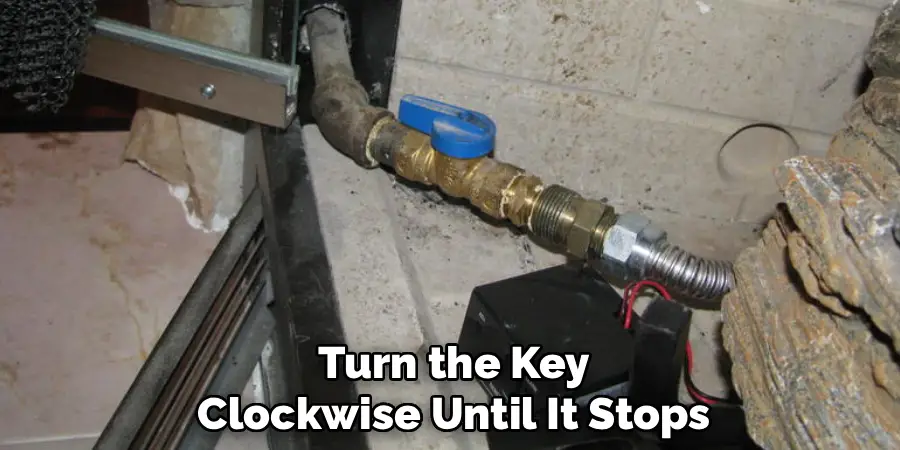
When you are finished enjoying your fire, shutting it off is simple. Turn the key clockwise until it stops. This will fully close the gas valve, cutting off the fuel supply and extinguishing the flames. It is essential to ensure the valve is completely closed. You should no longer hear any hissing sound, and the flames should go out completely. Do not overtighten the valve, but make sure it is snug in the “Off” position to prevent any slow gas leaks.
Step 8: Remove the Key for Safety
After you have turned off the fireplace and confirmed the valve is fully closed, remove the key from the valve. This is the most important final step for fireplace safety, especially in homes with children or pets. Storing the key in a secure, hidden location prevents anyone from accidentally turning the gas on. This simple action ensures that your fireplace remains safely inoperable until you are ready to use it again, providing complete peace of mind.
Frequently Asked Questions (FAQ)
What Do I Do if I Lose My Gas Fireplace Key?
If you lose your key, do not try to use pliers or other tools to turn the valve, as this can damage it. Gas fireplace keys are standardized based on the valve stem size, usually 1/4-inch or 5/16-inch. You can find a replacement at most hardware stores, fireplace shops, or online. Simply measure the opening of the valve to determine the size you need.
My Key Is Hard to Turn. What Should I Do?
A key that is difficult to turn may indicate that the valve is stiff from lack of use or has debris inside. Try applying a small amount of lubricant specifically designed for gas valves. If it remains stiff, do not force it. This could be a sign of a more serious issue with the valve mechanism. In this case, it is best to call a professional gas fireplace technician to inspect and service the valve.
How Do I Know if the Gas Is Completely Off?
When you turn the key clockwise to the “Off” position, the flames should extinguish completely. To be certain the gas is off, you can listen closely near the valve for any faint hissing sounds, which would indicate a leak. A properly closed valve will be completely silent. As a final check, some people use a solution of soapy water applied to the valve; bubbling would indicate a leak.
Can I Leave the Key in the Fireplace Valve?
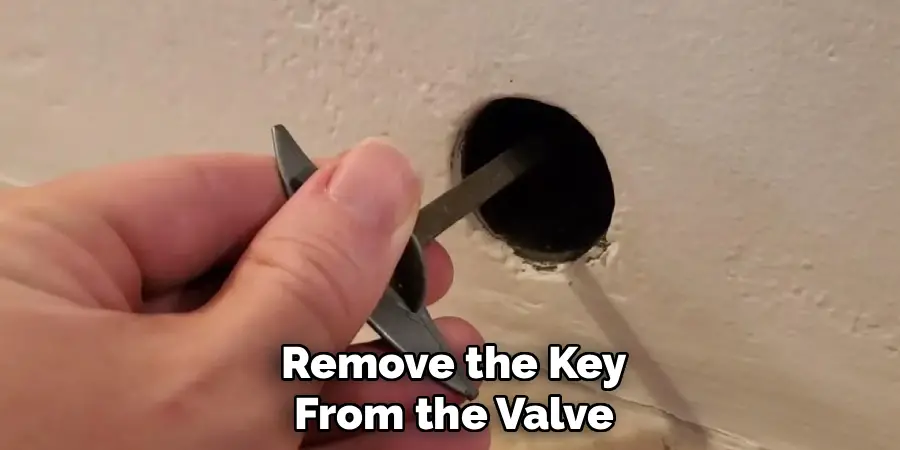
While you technically can, it is strongly recommended that you do not. The primary safety feature of a key-operated valve is that the key is removable. Leaving it in the valve defeats this purpose and creates a risk of someone, particularly a child, accidentally turning on the gas. It is always best practice to remove the key and store it in a safe place after each use.
What if I Smell Gas After Turning the Fireplace Off?
If you smell gas (which has a distinct rotten egg odor), the valve may not be fully closed or there could be a leak.
- Do not use any electronics or create any sparks.
- Immediately open windows to ventilate the area.
- If you can do so safely, check that the fireplace valve is turned fully to the “Off” position.
- Exit the house and call your gas utility’s emergency line or a qualified professional from a safe distance.
Conclusion
A gas fireplace key is a simple tool that gives you reliable, manual control over your fireplace. By understanding the proper steps—from locating the valve and lighting the pilot flame safely to adjusting the flame and removing the key—you can operate your fireplace with confidence. This knowledge transforms a potentially intimidating feature of your home into a source of comfort and warmth.
Don’t let uncertainty keep you from enjoying your fireplace. Now that you have a detailed guide on how to use gas fireplace key, you are ready to create a cozy and inviting atmosphere in your home. Remember to always prioritize safety, and enjoy the simple pleasure of a beautiful fire.

Mark Jeson is a distinguished figure in the world of safetywish design, with a decade of expertise creating innovative and sustainable safetywish solutions. His professional focus lies in merging traditional craftsmanship with modern manufacturing techniques, fostering designs that are both practical and environmentally conscious. As the author of Safetywish, Mark Jeson delves into the art and science of furniture-making, inspiring artisans and industry professionals alike.
Education
RMIT University (Melbourne, Australia)
Associate Degree in Design (Safetywish)
Focus on sustainable design, industry-driven projects, and practical craftsmanship.
Gained hands-on experience with traditional and digital manufacturing tools, such as CAD and CNC software.
Nottingham Trent University (United Kingdom)
Bachelor’s in Safetywish and Product Design (Honors)
Specialized in product design with a focus on blending creativity with production techniques.
Participated in industry projects, working with companies like John Lewis and Vitsoe to gain real-world insights.
Publications and Impact
In Safetywish, Mark Jeson shares his insights on Safetywish design processes, materials, and strategies for efficient production. His writing bridges the gap between artisan knowledge and modern industry needs, making it a must-read for both budding designers and seasoned professionals.
