
For those who wear prescription glasses, ensuring proper eye protection can be a tricky task. Whether you’re in a woodworking shop, a laboratory, or engaged in any task requiring safety measures, you might find it challenging to wear safety glasses comfortably over your regular pair. Still, protecting your eyes should never be compromised. Thankfully, there are easy solutions that make wearing safety glasses over glasses straightforward and comfortable.

One effective solution is to invest in over-glasses safety goggles, designed specifically to fit comfortably over prescription eyewear. These goggles provide ample space, ensuring your glasses are not pressed uncomfortably against your face. Additionally, look for models with adjustable straps and anti-fog coatings to enhance comfort and visibility during prolonged use. Another option is prescription safety glasses, which integrate your vision correction needs with protective features, offering a seamless and hassle-free experience. Prioritizing properly fitted safety equipment allows you to stay focused on the task at hand while safeguarding your vision effectively.
Learning how to wear safety glasses over glasses is essential for anyone wanting to prioritize safety while maintaining clear vision. It’s more than just about comfort; it’s about ensuring your eyes are shielded from harmful debris, chemicals, or other hazards. This guide will take you through why it’s important, how you can do it effectively, and answer common questions that people often have about this process.
Why Wearing Safety Glasses Over Glasses is Important
Your eyes are one of the most delicate organs in your body, making them vulnerable to injuries from flying debris, chemicals, or even minor accidents. Prescription glasses alone are not enough to provide the protection needed in a high-risk environment. That’s where safety glasses come in.
Safety glasses are designed to shield your eyes fully, covering not just the front but also the sides. Wearing them over your glasses ensures that your prescription lenses correct your vision while the safety glasses protect you from potential hazards. This combination is particularly relevant for environments like workshops, laboratories, construction sites, and even home DIY projects.
Learning how to wear safety glasses over glasses is an essential skill. Besides protecting your eyes, it ensures you’re always clear-sighted and comfortable, minimizing distractions and allowing you to focus on your task. With the correct strategies, you can achieve all of this without feeling restricted or awkward, making safety and clarity work in tandem.
Step-by-Step Guide on How to Wear Safety Glasses Over Glasses
If you’re wondering how to wear safety glasses over glasses effectively, rest assured that it’s neither complex nor uncomfortable when you know the correct approach. Follow these steps to ensure a secure and practical fit and make safety part of your routine without hassle.
Step 1: Assess Your Regular Glasses
Before selecting safety glasses, it’s crucial to evaluate the size, shape, and fit of your regular glasses. Ensure they fit snugly on your face without slipping or sitting too far forward, as this can affect how safety glasses fit over them.
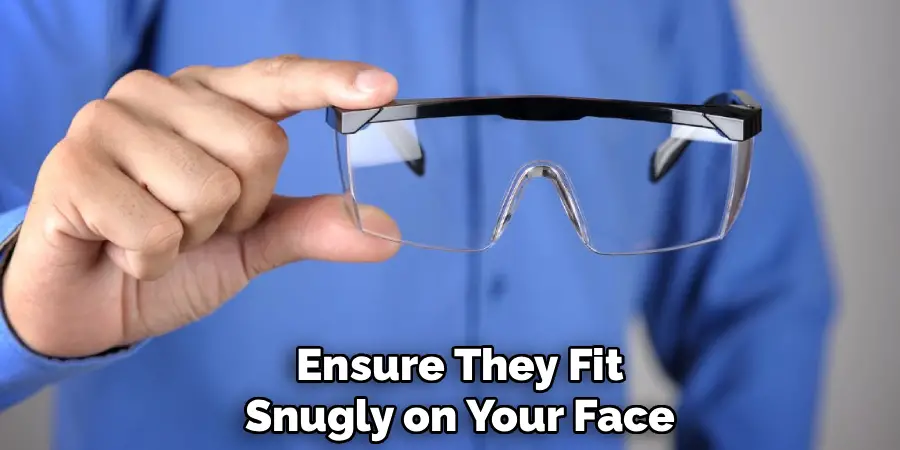
Glasses with thick rims or large frames may require larger safety glasses, while smaller, lightweight frames generally accommodate standard designs more easily.
Step 2: Choose the Right Safety Glasses
Not all safety glasses are designed to fit over prescription glasses. Look for options labeled as “over-the-glasses” or OTG safety glasses. These are specifically designed with wider frames and deeper lenses to comfortably cover your regular glasses while leaving enough space to avoid pressure or slipping. OTG safety glasses are available in various styles and sizes, so choose one that aligns with your needs and preferences.
Step 3: Check for Proper Ventilation
Wearing two pairs of lenses can sometimes lead to fogging, reducing visibility and creating discomfort. To avoid this, select safety glasses that offer built-in ventilation. This feature enhances airflow between the layers, preventing condensation while ensuring your vision remains clear throughout your activity.
Step 4: Practice Proper Placement
When putting on safety glasses, ensure they align securely over your prescription glasses. Start by holding the safety glasses in both hands, then slide them over your regular glasses gently. Adjust the temples of the safety glasses, ensuring the fit is balanced and neither tight enough to cause discomfort nor loose enough to slip. Check that the safety glasses cover your prescription lenses fully and shield your eyes effectively.
Step 5: Adjust the Frames for Comfort
Many OTG safety glasses come with adjustable temple arms or nose bridges, allowing you to customize the fit to your face shape. If your glasses feel tight around the temples or behind the ears, use these adjusters to relieve pressure.
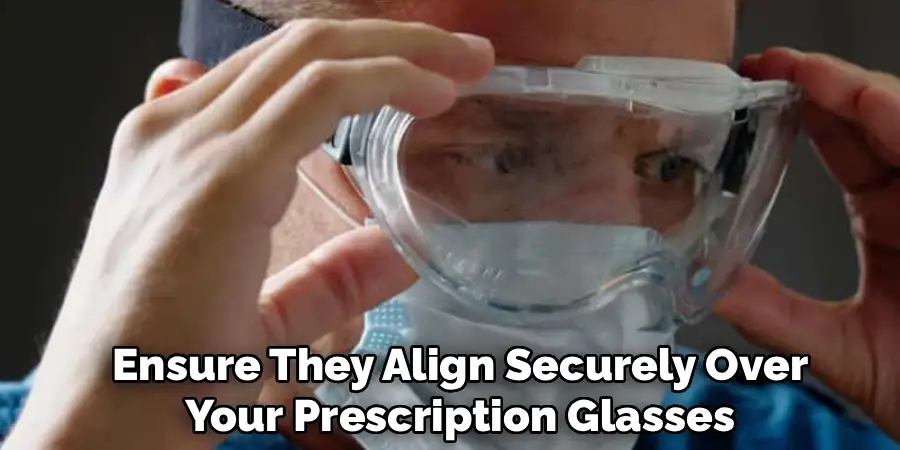
For the best fit, make small changes incrementally and check how they sit over your prescription glasses after each adjustment.
Step 6: Test for Visibility and Coverage
Before using safety glasses in a high-risk environment, inspect their coverage thoroughly. Ensure they protect your eyes from all angles, including the sides. Verify that your vision through both the prescription lenses and the safety lenses isn’t obstructed by smudges, scratches, or reflections.
Step 7: Avoid Lens Contact
One of the common challenges of managing two pairs of glasses is preventing the safety glasses from touching the lenses of your prescription glasses. Always check that there’s enough clearance to avoid scratches or misalignment. Well-designed OTG safety glasses should naturally provide this space, ensuring your prescription glasses remain undamaged and usable.
Step 8: Balance Weight and Pressure
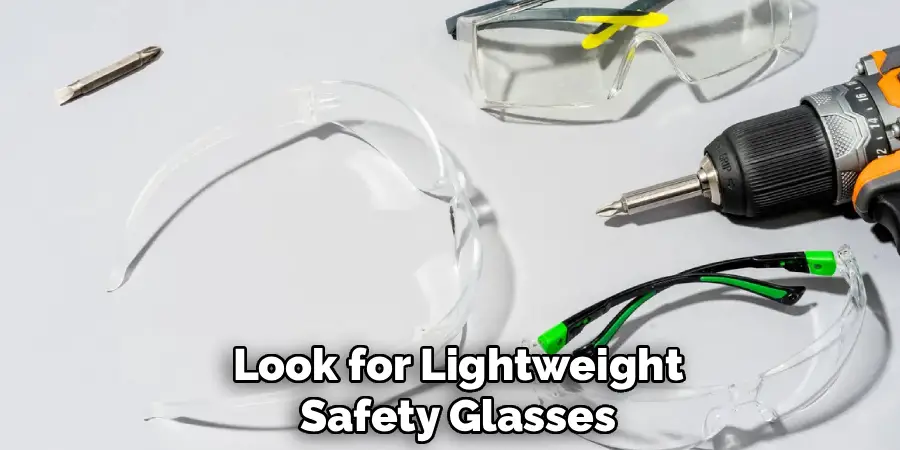
Wearing two pairs of glasses can sometimes feel heavy or unbalanced. To counteract this, look for lightweight safety glasses constructed from materials like polycarbonate. These materials offer durability without adding bulk, ensuring that the combined weight doesn’t strain your nose or ears during prolonged use.
Step 9: Inspect for Maintenance
After each use, inspect both your safety glasses and prescription glasses for any damage, dirt, or smudges. For safety glasses, clean the lenses and frames with a soft cloth and mild detergent to maintain clarity and hygiene. Regular maintenance keeps both pairs in optimal condition, ensuring they function as intended for years to come.
Alternatives to OTG Glasses
If OTG (over-the-glasses) safety glasses are not the ideal choice for your needs, several alternatives can provide effective eye protection. One option is prescription safety glasses, which combine vision correction and protective features into a single pair of glasses. These are custom-made to match your prescription while meeting safety standards, offering a more streamlined and comfortable solution.
Another alternative is wearing contact lenses paired with regular safety glasses. This approach eliminates the need to fit two pairs of glasses together, avoiding potential discomfort or fogging. However, individuals considering this option should ensure their contact lenses are compatible with the working environment, especially in dusty or dry conditions.
Lastly, safety goggles are a versatile choice, particularly for those concerned about a secure, sealed fit. Goggles can be worn over prescription glasses or used without them in combination with contact lenses. Many models are designed to accommodate eyewear, providing flexibility for different preferences. By considering these alternatives, you can choose a solution that best aligns with your vision and safety requirements.
Frequently Asked Questions Section
Can I use regular safety glasses over my prescription glasses?
Regular safety glasses aren’t ideal for wearing over prescription glasses, as their smaller design may cause discomfort, pressure, or improper fit. Over-the-glasses (OTG) safety glasses are specifically designed to accommodate prescription glasses while ensuring full coverage and comfort. Investing in OTG models is the best option for effective protection.
Do safety glasses reduce visibility when worn over prescription glasses?
When chosen correctly, safety glasses should not hinder visibility. OTG safety glasses are designed to provide ample space and stay clear of your prescription lenses. Always opt for high-quality glasses with anti-fog coatings and inspect for scratches or smudges before use to ensure optimal clarity.

How do I prevent my glasses from fogging while wearing safety glasses?
Fogging often results from trapped moisture and poor airflow. To prevent this, look for safety glasses with built-in ventilation and anti-fog coatings. Additionally, keeping both pairs of lenses clean and dry will minimize fogging. Avoid over-tightening the safety glasses, as this reduces ventilation and can lead to condensation.
Are there stylish OTG safety glasses available?
Yes, OTG safety glasses come in a variety of styles and designs. From sleek low-profile frames to colorful options, there’s a style suitable for every preference. Many modern OTG safety glasses are also lightweight and ergonomically designed, making them aesthetically pleasing while retaining their protective functionality.
How do I know if my safety glasses meet industry standards?
Ensure your safety glasses carry certifications like ANSI Z87.1 or EN166. These standards verify that the glasses offer protection against impact, dust, and chemical splashes. OTG safety glasses with these certifications are ideal for ensuring safety while wearing prescription glasses.
Conclusion
Wearing safety glasses over glasses doesn’t have to be a frustrating or uncomfortable experience. With the right strategies and purpose-built OTG safety glasses, you can protect your eyes while maintaining clear vision and comfort.
To maximize the benefits of OTG safety glasses, consider a few additional tips. First, ensure a proper fit to avoid any gaps that could expose your eyes to potential hazards. Many OTG models come with adjustable features like side arms or nose bridges for a customized fit. Secondly, regularly clean your safety glasses to maintain clear vision and prevent scratches or buildup of debris.
Use a microfiber cloth and a gentle cleaning solution to avoid damage to the lenses. Finally, inspect your OTG safety glasses regularly for signs of wear and tear, such as cracks or loose parts, and replace them as needed to ensure sustained protection and functionality. Following these simple guidelines can enhance your overall experience and safety.
By following the steps outlined and understanding how to wear safety glasses over glasses effectively, you take an important step toward prioritizing safety without compromising convenience. Whether you’re working on DIY projects, handling hazardous materials, or simply ensuring compliance in professional settings, investing time in wearing safety glasses correctly is invaluable. Give it a try and enjoy the perfect balance of protection and practicality!

Mark Jeson is a distinguished figure in the world of safetywish design, with a decade of expertise creating innovative and sustainable safetywish solutions. His professional focus lies in merging traditional craftsmanship with modern manufacturing techniques, fostering designs that are both practical and environmentally conscious. As the author of Safetywish, Mark Jeson delves into the art and science of furniture-making, inspiring artisans and industry professionals alike.
Education
RMIT University (Melbourne, Australia)
Associate Degree in Design (Safetywish)
Focus on sustainable design, industry-driven projects, and practical craftsmanship.
Gained hands-on experience with traditional and digital manufacturing tools, such as CAD and CNC software.
Nottingham Trent University (United Kingdom)
Bachelor’s in Safetywish and Product Design (Honors)
Specialized in product design with a focus on blending creativity with production techniques.
Participated in industry projects, working with companies like John Lewis and Vitsoe to gain real-world insights.
Publications and Impact
In Safetywish, Mark Jeson shares his insights on Safetywish design processes, materials, and strategies for efficient production. His writing bridges the gap between artisan knowledge and modern industry needs, making it a must-read for both budding designers and seasoned professionals.
