
Welcome to the world of gardening, where every task, from planting seeds to pruning shrubs, brings you closer to nature. While you’re busy cultivating your green space, it’s crucial to prioritize your safety, especially your eyesight. Flying debris, splashing liquids, and rogue branches are common hazards that can cause serious eye injuries.

For those of us who already wear prescription glasses, this presents a unique challenge. You might be wondering about the best way to protect your eyes without sacrificing clear vision. This guide will walk you through exactly how to wear safety glasses over glasses, ensuring you can work comfortably and safely in your garden. We’ll explore why it’s important, how to find the right fit, and answer your most common questions.
Eye Protection Is Non-Negotiable
Standard prescription glasses are not designed to withstand high-impact threats. They often have gaps at the sides, top, and bottom, leaving your eyes exposed to debris from various angles. The lenses themselves are typically not made from impact-resistant materials like polycarbonate, which is the standard for safety eyewear.
A direct hit from a fast-moving object could shatter your regular glasses, potentially causing more harm than the initial impact. Proper safety glasses are designed to shield the entire eye area and are tested to meet specific safety standards. Investing in the right over-the-glasses protection is a small step that makes a huge difference in preventing preventable injuries.
Step-by-Step Guide on How to Wear Safety Glasses Over Glasses
Finding and wearing safety glasses over your regular prescription eyewear doesn’t have to be complicated. Following these steps will ensure you get a comfortable, secure fit that provides maximum protection, allowing you to focus on your gardening tasks with peace of mind.
Step 1: Measure Your Prescription Glasses
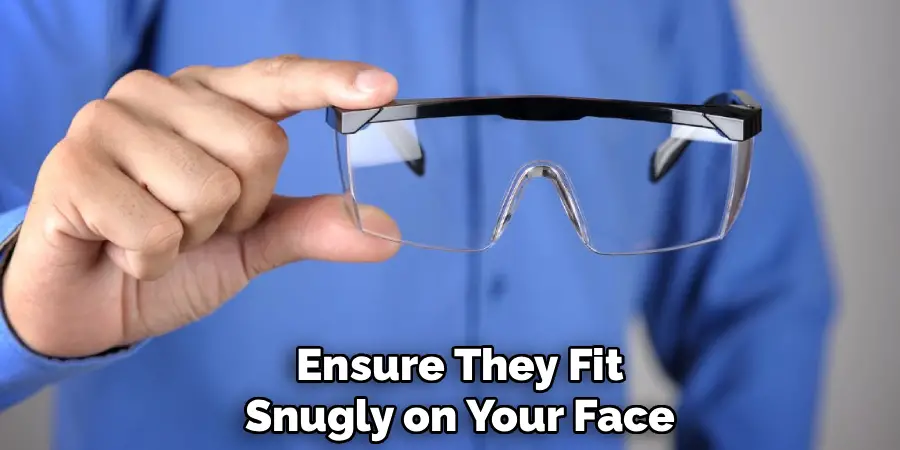
Before you can choose the right pair of over-the-glasses safety glasses, you need to know the dimensions of your current eyewear. Take a moment to measure the height and width of your prescription frames at their widest points. Jot these measurements down. This information is vital because over-the-glasses (OTG) safety glasses are designed to fit a wide range of frame sizes, but not all are universal. Having your measurements on hand will allow you to check the product specifications and ensure the pair you choose will fit comfortably over your frames without pinching or creating pressure points.
Step 2: Choose the Right Type of OTG Safety Glasses
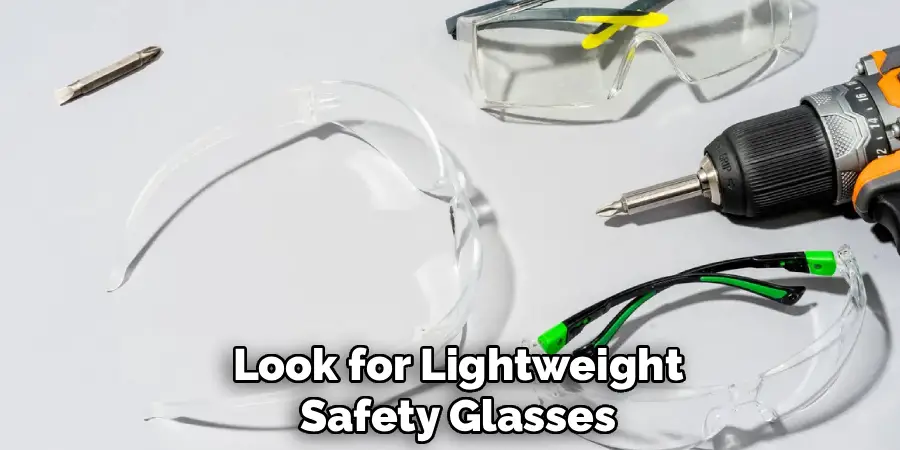
With your measurements ready, you can now select the appropriate type of Over-The-Glass (OTG) safety eyewear. These are specifically designed with a deeper and wider frame to accommodate prescription glasses underneath. Look for models made from lightweight polycarbonate for both the frame and lens, as this material offers excellent impact resistance without feeling heavy. Consider features like adjustable temples or a ratcheting mechanism, which allows you to change the angle of the lens for a more customized fit. A soft, pliable nose piece can also enhance comfort for long periods of wear in the garden.
Step 3: Check for a Proper Seal and Coverage
A critical step is to ensure the safety glasses provide full coverage. When you try them on over your prescription glasses, check for gaps. There should be minimal space between the safety glasses and your face, particularly along the top, bottom, and sides. Most OTG models feature built-in side shields, which are crucial for protecting against debris entering from the periphery. The top of the safety frame should sit comfortably against your brow line. This complete seal is what differentiates true safety glasses from standard eyewear, offering comprehensive protection from all angles.
Step 4: Putting the glasses on correctly
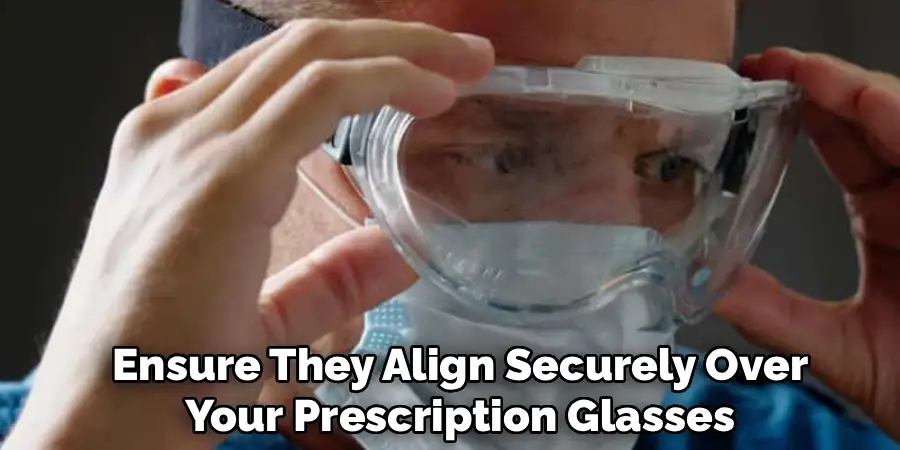
Putting the glasses on correctly is key. Start by holding the OTG safety glasses with both hands. Position them in front of your face and slide them straight back over your prescription glasses. The temples (arms) of the safety glasses should rest comfortably above or alongside the temples of your regular glasses, not trapped beneath them. Settle the nose piece of the safety glasses onto your nose, ensuring it doesn’t push your prescription glasses into an uncomfortable position. The fit should be snug but not tight. You should be able to move your head up, down, and side to side without the glasses slipping.
Step 5: Adjust the Temples and Nose Piece
Many OTG safety glasses come with adjustable features for a reason. If the temples feel too tight or too loose, see if they can be extended or retracted. Some models have flexible wire-core temples that you can gently bend for a more secure fit around your ears. Likewise, if the nose piece is adjustable, take a moment to position it so the safety glasses sit at the correct height, allowing you to see clearly through your prescription lenses without any obstruction. Proper adjustment prevents the glasses from sliding down your nose while you work.
Step 6: Test Your Vision and Comfort
Once the glasses are on and adjusted, take a moment to look around. Ensure your field of vision is not significantly obstructed. There will be a slight peripheral awareness change due to the frame, but it shouldn’t create major blind spots. More importantly, confirm that looking through the two sets of lenses does not cause distortion or a “fishbowl” effect. The safety lens should be optically clear. Wear them for a few minutes to check for any pressure points on your nose, behind your ears, or on the side of your head. Comfort is key to ensuring you’ll keep them on.
Step 7: Clean and Maintain Your Lenses
Keeping both sets of lenses clean is crucial for clear vision and safety. Dust, dirt, and smudges on either your prescription glasses or the safety glasses can impair your sight. Before each use, wipe both pairs with a microfiber cloth. For more stubborn dirt, use a lens cleaning solution specifically designed for eyewear. Avoid using harsh paper towels or the fabric of your shirt, as these can scratch the lenses over time. Proper maintenance not only ensures you can see clearly but also extends the life of your safety glasses.
Proper Maintenance of Safety Gear
Proper maintenance of safety gear is essential to ensure its reliability and longevity. Always inspect your safety equipment, such as helmets, gloves, or harnesses, for signs of wear and tear before each use. Regular cleaning is equally important; for example, wash gloves and fabric-based items as per manufacturer instructions to prevent the buildup of oils or contaminants.
Hard items like helmets should be wiped down with a damp cloth and mild soap to remove dirt and debris. Store safety gear in a clean, dry place away from direct sunlight, as prolonged exposure can degrade certain materials over time. Following these practices not only keeps your gear in optimal condition but also ensures that it provides maximum protection when you need it most.
Frequently Asked Questions
Can I Just Use Larger Safety Glasses Instead of OTG Models?
While some larger, standard safety glasses might fit over your prescription frames, it is not recommended. Over-the-glass (OTG) models are specifically engineered with increased depth and width to accommodate the frames underneath without causing pressure or distortion. They also feature design elements like ventilated side shields that are meant to work with another pair of glasses. Using a non-OTG pair can lead to a poor fit, discomfort, and unsafe gaps in coverage, defeating the purpose of wearing them in the first place.

Do Safety Glasses Over Glasses Cause Glare or Distortion?
High-quality OTG safety glasses are designed with optically correct, polycarbonate lenses that should not cause distortion. However, wearing two sets of lenses can sometimes increase the potential for glare, especially in bright sunlight. To combat this, look for OTG models that feature an anti-glare or anti-reflective coating. Alternatively, you can choose a tinted version, such as a gray or brown lens, which reduces brightness and glare while you work outdoors, acting much like sunglasses.
How Do I Prevent My Glasses from Fogging Up?
Fogging is a common issue caused by differences in temperature and humidity between your face and the air. Many OTG safety glasses come with an anti-fog coating. You can also improve air circulation by selecting a model with vents. If fogging persists, try an anti-fog spray or wipe, which creates a thin, invisible film on the lenses that prevents condensation from forming. Applying it to both your prescription and safety lenses before you start gardening can make a significant difference.
Are There Other Options Besides OTG Safety Glasses?
Yes, there are several alternatives. One popular option is prescription safety glasses, which combine your vision correction and safety rating into a single pair of glasses. This eliminates the bulk of wearing two frames. Another choice is to wear full-face shields, which protect your entire face and can be worn comfortably over prescription glasses.
How Often Should I Replace My OTG Safety Glasses?
You should inspect your safety glasses before each use. Replace them immediately if you notice any deep scratches, cracks, or pits on the lenses that obstruct your vision. You should also get a new pair if the frame is bent or damaged in a way that prevents a secure fit.
Conclusion
Protecting your vision in the garden is a simple but vital practice. For those who wear prescription eyewear, the challenge of finding comfortable and effective protection is easily solved with the right approach. By understanding the importance of proper coverage, selecting a well-fitting pair of OTG safety glasses, and making the necessary adjustments, you can ensure your eyes are shielded from common garden hazards.
Following the steps outlined in this guide will help you master how to wear safety glasses over glasses so you can garden with confidence. Don’t let the fear of an accident hold you back; invest in proper eye protection and enjoy every moment of your work.

Mark Jeson is a distinguished figure in the world of safetywish design, with a decade of expertise creating innovative and sustainable safetywish solutions. His professional focus lies in merging traditional craftsmanship with modern manufacturing techniques, fostering designs that are both practical and environmentally conscious. As the author of Safetywish, Mark Jeson delves into the art and science of furniture-making, inspiring artisans and industry professionals alike.
Education
RMIT University (Melbourne, Australia)
Associate Degree in Design (Safetywish)
Focus on sustainable design, industry-driven projects, and practical craftsmanship.
Gained hands-on experience with traditional and digital manufacturing tools, such as CAD and CNC software.
Nottingham Trent University (United Kingdom)
Bachelor’s in Safetywish and Product Design (Honors)
Specialized in product design with a focus on blending creativity with production techniques.
Participated in industry projects, working with companies like John Lewis and Vitsoe to gain real-world insights.
Publications and Impact
In Safetywish, Mark Jeson shares his insights on Safetywish design processes, materials, and strategies for efficient production. His writing bridges the gap between artisan knowledge and modern industry needs, making it a must-read for both budding designers and seasoned professionals.
