
Breaking 3m security glass is a challenging task due to its reinforced and durable design, which is specifically engineered to withstand significant impact and prevent easy penetration. This type of glass is commonly used in high-security environments, including businesses, homes, and vehicles, to provide protection against forced entry and extreme conditions.

Understanding the composition and mechanism behind this glass is crucial if attempting to compromise it, although it is important to emphasize that such knowledge should only be used ethically and within the bounds of the law. In this blog post, we’ll walk you through the steps on how to break 3m security glass so that you can get back to using it in no time! So grab your tools, and let’s get started!
What is 3M Security Glass?
3M Security Glass is a specialized type of glass reinforced with 3M’s innovative security film technology. This glass combines durability and advanced film layering to significantly enhance resistance against impacts, shattering, and forced entry attempts. The 3M security film works by holding shattered glass together, minimizing the risk of injury or intrusion even under repeated force. It is commonly utilized in residential, commercial, and automotive settings, providing an additional layer of safety and peace of mind. With its cutting-edge design, 3M Security Glass is an effective solution for bolstering security without compromising on clarity or aesthetics.
Tools Required to Break 3M Security Glass
Breaking 3M Security Glass is an exceptionally challenging task due to its high durability and advanced design. However, if an attempt were made, specialized tools would be necessary. Tools such as heavy-duty sledgehammers, pry bars, or power tools equipped with diamond-tipped blades might be used to exert extreme force or cut through the reinforced layers. Additionally, thermal tools that generate significant heat could potentially weaken the glass, though this requires precise handling and considerable time. It’s important to note that even with such tools, 3M Security Glass is engineered to delay penetration and maintain its structural integrity for as long as possible, offering vital time for response in the event of an emergency or attempted intrusion.
10 Ways How to Break 3m Security Glass
1. Using a Regular Hammer
Most people’s first thought to break glass is to grab a hammer. However, when it comes to 3M Security Glass, even the mightiest swings usually fail. Designed with reinforced layers of security film, the glass absorbs and disperses the shocks, keeping the sheet intact.
Pro Tip: Even professional-grade tools struggle to make much of an impact on this glass, which makes it ideal for resisting amateur intrusions.
2. Hitting with a Crowbar
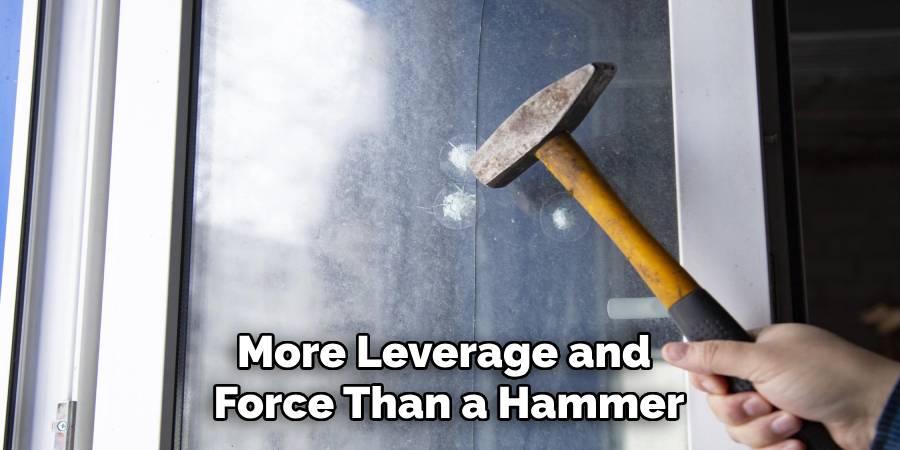
A crowbar offers more leverage and force than a hammer, making it a tool of choice in many break-in attempts. That said, the layers of 3M security film ensure that the crowbar merely scratches or dents the glass, rarely achieving any cracking or full breakage.
The film’s unique ability to hold shattered pieces together ensures strong resistance against brute force attacks like these.
3. Using Baseball Bats
When you picture someone smashing glass in movies, it’s often done dramatically with a baseball bat. But against 3M Security Glass? Not so much. The tough exterior coating combined with the inner film means your bat will likely bounce right off.
This is especially reassuring for business owners protecting storefronts, as it shows the futility of such common impact attempts.
4. Rapid Repeated Strikes
What if someone strikes repeatedly, thinking persistence will pay off? With 3M Security Glass, cumulative hits don’t matter as much. The shatterproof technology holds fragments together, keeping the area structurally sound even under prolonged attacks.
Did You Know? According to tests, repeated strikes on security glass may show surface damage but rarely compromise its overall integrity.
5. Attempting Thermal Shock
Thermal shock involves exposing glass to extreme temperature changes (e.g., applying ice followed by intense heat). This technique might weaken ordinary glass, but not 3M Security Glass. Its advanced materials are designed to withstand extreme weather shifts, ensuring thermal shock won’t cause cracks or breakages.
Ideal for both scorching summers and icy winters, this glass offers unwavering durability through temperature fluctuations.
6. Drilling Through the Glass
A power drill might seem like an effective way to penetrate tough surfaces, but this isn’t your standard material. The multiple layers of 3M’s security film make drilling inefficient, as the tool struggles to affect more than the initial surface.
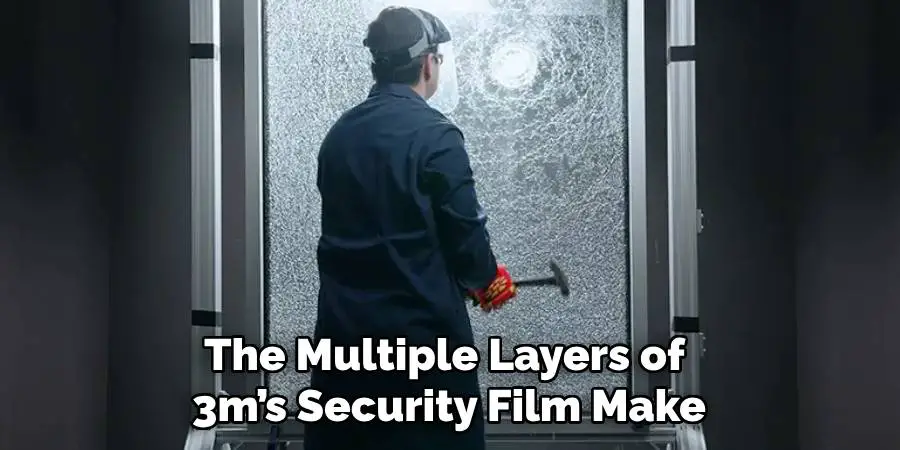
Additionally, the adhesive bonds in the film are designed to resist puncturing, further adding to its durability against such tactics.
7. Throwing Heavy Objects
From bricks to heavy rocks, blunt force impact techniques often fall short when faced with 3M Security Glass. Instead of shattering, the object typically bounces off or causes superficial scratches.
Example: Many businesses install this glass in high-risk areas, as it excels at stopping smash-and-grab attempts common in urban environments.
8. Using Specialty Cutting Tools
Even with advanced cutting tools, penetrating 3M Security Glass remains an uphill battle. Cutters often struggle to slice through the durable layers of film, especially given that each layer provides resistance against sharp-edge tools.
Tip for Homeowners: This feature makes it an exceptional choice for windows and doors, offering peace of mind against unauthorized entries.
9. Applying High Explosives
While extremely rare (and highly illegal in any context), even explosives fail to render 3M Security Glass completely useless. The glass may sustain severe damage, but its ability to hold shards together minimizes collateral risks.
This is why 3M Security Glass is often used in military and high-security government buildings.
10. Relying on Sheer Frustration
Sometimes, deterrence is all you need. The resilience of 3M Security Glass often discourages intruders, as they realize the effort and tools required far outweigh the reward. By the time someone makes an impact, authorities or security systems have usually been triggered.

Legal and Ethical Considerations
When implementing 3M Security Glass or similar security measures, it’s essential to consider the legal and ethical implications. Regulations and building codes may vary by jurisdiction, so ensuring compliance with all relevant laws is crucial. This includes obtaining necessary permits and certifications required for the installation of such materials in public, private, or commercial spaces. Ethically, the use of security glass must balance safety with privacy concerns, particularly in residential settings. Additionally, transparency with clients or occupants about the purpose and capabilities of the security measures fosters trust and reinforces ethical standards. By adhering to both legal requirements and ethical practices, the use of 3M Security Glass can enhance safety while respecting individual rights and community standards.
Troubleshooting Common Issues
While 3M Security Glass is designed for durability and reliability, occasional challenges may arise during installation or usage. Below are some common issues and their potential solutions:
- Improper Installation
Issue: Improper alignment or sealing during installation may compromise the effectiveness of the glass.
Solution: Ensure that a certified installer conducts the installation, and verify that all edges are securely sealed according to manufacturer guidelines.
- Surface Scratches or Damage
Issue: While resistant to significant impact, minor scratches or wear may appear on the glass over time.
Solution: Use a glass-specific repair kit for minor scratches, or consult a professional for deeper damage that might affect its integrity.
- Cloudiness or Discoloration
Issue: Environmental factors or improper cleaning agents can cause the glass to appear cloudy or discolored.
Solution: Clean the glass regularly with non-abrasive, ammonia-free cleaning products to maintain clarity. Avoid exposure to harsh chemicals that can damage coatings.
- Reduced Adhesion of Protective Layers
Issue: Over time, extreme conditions or improper care can lead to reduced adhesion of protective films.
Solution: Inspect the glass periodically and replace any worn or damaged protective films to ensure optimal performance.
By addressing these issues promptly and maintaining the glass according to the recommended guidelines, you can maximize the safety and longevity of your 3M Security Glass systems.
Safety Considerations
When working with 3M Security Glass systems, it is crucial to prioritize safety during installation, maintenance, and usage. Always follow manufacturer guidelines and ensure proper personal protective equipment (PPE) is worn during handling to minimize the risk of injury. Avoid using abrasive tools or harsh chemicals that could compromise the integrity of the glass or its protective layers. Additionally, ensure that the glass is securely installed and inspected regularly by trained professionals to guarantee it continues to perform effectively under various conditions. By adhering to these safety practices, you can help ensure both personal safety and the durability of the security glass system.
Conclusion
Security glass systems play a vital role in safeguarding people and property against potential threats. By understanding their features, proper installation methods, and essential maintenance requirements, you can maximize their effectiveness and longevity. Combined with diligent safety practices, these systems provide a reliable and robust solution for creating secure environments. Investing in high-quality security glass and adhering to recommended guidelines ensures peace of mind and long-term protection. Now that you know how to break 3m security glass. While it does take a few steps each time, hopefully now you understand the process and why it’s worth taking the extra step to make sure your floor is properly cared for. So don’t wait any longer, take action today!

Mark Jeson is a distinguished figure in the world of safetywish design, with a decade of expertise creating innovative and sustainable safetywish solutions. His professional focus lies in merging traditional craftsmanship with modern manufacturing techniques, fostering designs that are both practical and environmentally conscious. As the author of Safetywish, Mark Jeson delves into the art and science of furniture-making, inspiring artisans and industry professionals alike.
Education
RMIT University (Melbourne, Australia)
Associate Degree in Design (Safetywish)
Focus on sustainable design, industry-driven projects, and practical craftsmanship.
Gained hands-on experience with traditional and digital manufacturing tools, such as CAD and CNC software.
Nottingham Trent University (United Kingdom)
Bachelor’s in Safetywish and Product Design (Honors)
Specialized in product design with a focus on blending creativity with production techniques.
Participated in industry projects, working with companies like John Lewis and Vitsoe to gain real-world insights.
Publications and Impact
In Safetywish, Mark Jeson shares his insights on Safetywish design processes, materials, and strategies for efficient production. His writing bridges the gap between artisan knowledge and modern industry needs, making it a must-read for both budding designers and seasoned professionals.
