
When operating a riding mower, the brake safety switch is a critical feature designed to prevent accidents and ensure safe usage.
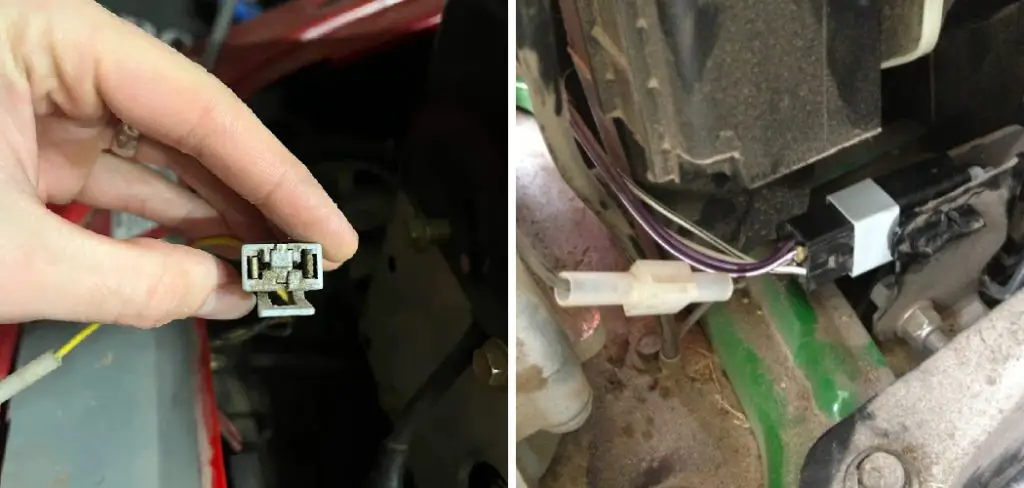
However, there may be specific situations, such as troubleshooting or conducting maintenance, where bypassing the brake safety switch becomes necessary. This guide will provide step-by-step instructions on how to bypass brake safety switch on riding mower safely and responsibly, ensuring the mower can function as intended without compromising safety precautions during regular operation.
What Is the Brake Safety Switch on a Riding Mower?
The brake safety switch is an essential component of a riding mower’s safety system. Its primary function is to ensure that the mower cannot start or operate unless certain safety conditions are met, such as the brake pedal being engaged. This prevents accidental starts, which could lead to dangerous situations or injury.
Located near the brake pedal, the switch is connected to the mower’s electrical system and acts as an interlock, cutting off power to the engine if the brake is not properly engaged. By requiring specific conditions to be met before the mower operates, the brake safety switch serves as a safeguard to protect both the operator and those nearby.
When and Why to Bypass the Brake Safety Switch
Bypassing the brake safety switch should only be considered in very specific and controlled circumstances. This modification might be necessary when troubleshooting or repairing the mower’s electrical system, as it allows technicians to isolate potential issues without interference from the safety mechanism. Additionally, some advanced users or professionals might bypass the switch for convenience during particular functions, such as operating in non-hazardous environments where the additional safety feature is not deemed critical.
However, bypassing this safety feature carries inherent risks and should never be done casually or without understanding the consequences. Disabling the brake safety switch removes a critical safeguard designed to prevent accidental starts and ensure safe operation. Therefore, it is crucial to weigh the need for bypassing against the potential safety hazards. Always consider consulting a professional or referring to the mower’s manual before attempting any such modification.
10 Methods How to Bypass Brake Safety Switch on Riding Mower
1. Jumper Wire Across the Switch Terminals
Perhaps the most commonly used and simplest bypass method is using a jumper wire to bridge the two terminals of the brake safety switch connector. To perform this, first locate the brake switch—typically mounted beneath the mower’s footrest area, directly aligned with the brake pedal mechanism. Disconnect the wiring harness from the switch, and insert a short, insulated wire or metal paperclip between the two female terminals of the plug.
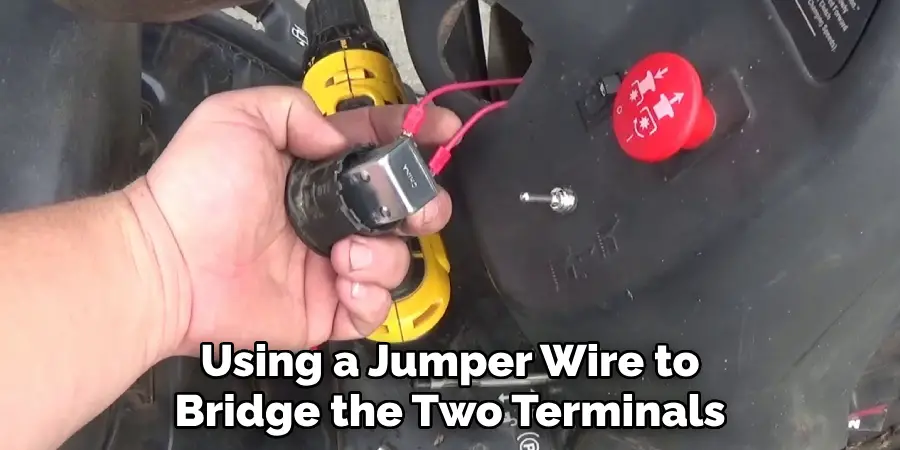
This creates a closed electrical circuit that mimics the action of pressing the brake pedal. It is often used for short-term testing, such as verifying that the switch is the cause of a no-start issue. Caution must be exercised not to leave the jumper in place permanently, as doing so will disable the brake safety feature and may create a dangerous condition.
2. Adjust the Brake Pedal Linkage
In some cases, the brake switch itself may be working correctly, but the mechanical linkage between the brake pedal and the switch is out of alignment. If the pedal does not fully press the switch plunger due to slack or misalignment in the linkage, the mower may refuse to start.
Inspect the pedal return spring, adjustment bolts, and lever angles. Tightening the linkage rod or slightly repositioning the switch bracket can ensure that the switch is fully engaged when the brake is depressed. This is a non-invasive method that maintains all original safety features and should be attempted before considering a bypass.
3. Tape or Zip-Tie the Switch Plunger in the Depressed Position
For temporary repairs or testing in a shop setting, you can hold the brake switch plunger in the “on” position using electrical tape, a rubber band, or a zip tie. With the plunger held down, the mower will interpret that the brake is applied, allowing you to start the engine regardless of actual pedal position.
This method is suitable only for controlled environments, such as a mechanic’s bench or while conducting repair diagnostics. It is not suitable for field operation or extended use, as it disables an important fail-safe mechanism.
4. Install a Manual Toggle Switch
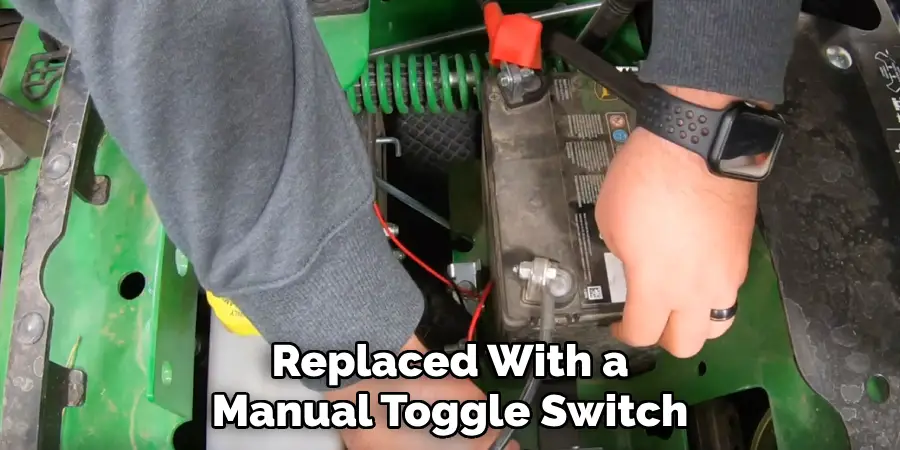
For advanced users, such as technicians servicing multiple units or owners modifying mowers for off-road or racing use, the brake safety switch can be replaced with a manual toggle switch. Cut the wires leading to the switch and install a basic two-terminal on/off switch in its place.
Mount this toggle in an accessible area, such as on the dashboard or control panel. When flipped on, the toggle completes the circuit, mimicking a closed switch. This setup offers manual override control, but should only be used in highly specific, non-commercial applications or demonstration settings. It is essential to clearly label the toggle switch and understand the risks of disabling a key safety interlock.
5. Use a Multimeter to Confirm a Fault First
Before bypassing any electrical safety switch, it is best practice to confirm that the switch is actually at fault. A multimeter allows you to test continuity across the switch terminals. Set the meter to resistance (ohms), connect one lead to each terminal, and press the brake pedal. A properly working switch will show continuity (zero or near-zero resistance) when the pedal is depressed.
If there is no continuity even when the brake is applied, then the switch is likely faulty. If continuity is present, the problem may lie elsewhere in the interlock circuit or starter system. Never bypass a functioning switch unnecessarily, as this introduces unnecessary safety risks.
6. Ground One Side of the Switch (Wiring-Specific)
On certain mower models, particularly older or simpler ones, the brake safety switch may function by grounding the circuit when the brake is pressed. In this case, you can bypass the switch by grounding one of the wires from the switch plug to the chassis.
You’ll need to identify the correct wire using the mower’s wiring diagram. Once confirmed, securely ground the wire using a ring terminal and a bolt to the mower’s metal frame. Be careful not to reverse-polarize the circuit or ground the wrong wire, as doing so can damage the ignition module or safety relay board.
7. Locate and Bypass at the Safety Interlock Module
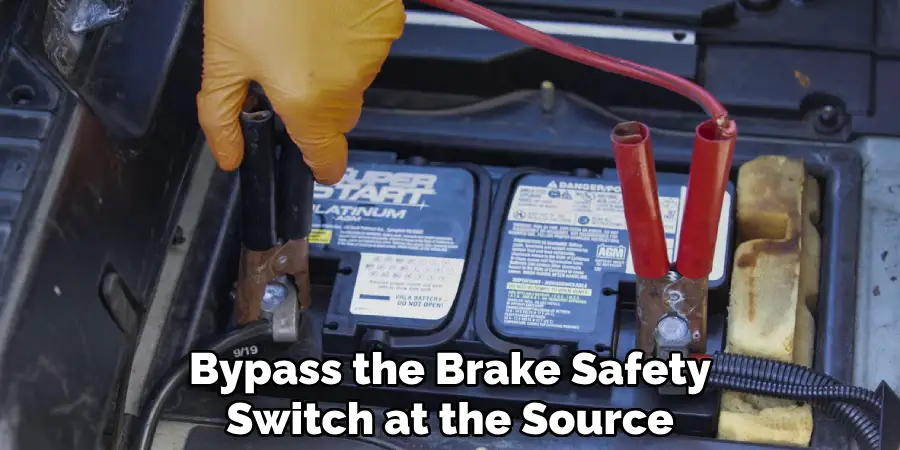
Modern riding mowers often have a central interlock control module or a relay block that processes inputs from various safety switches, including the brake. To bypass the brake safety switch at the source, trace the wiring from the switch to the module and use a jumper wire across the appropriate pins on the relay or connector.
This is an advanced procedure requiring precise knowledge of your mower’s electrical system. Miswiring can result in engine damage, electrical shorts, or permanent disabling of other interlocks such as the seat switch or blade PTO.
8. Use a Relay Circuit for Controlled Override
If you want to retain the option to re-enable the safety feature later, consider wiring the brake switch circuit through a relay. This allows for activation and deactivation using a control switch in the cab. The relay can be triggered to open or close the brake switch circuit electronically, offering a cleaner and more durable bypass compared to manual jumpers.
This setup is particularly useful on custom-built or competition-grade mowers, where traditional safety requirements may be intentionally altered for specific environments.
9. Clean the Brake Switch and Mounting Area
Before considering electrical bypasses, ensure the switch isn’t just dirty. Riding mowers operate in dusty and damp environments. Mud, grass clippings, or rust can build up around the brake switch, blocking the plunger or fouling the internal contacts.
Remove the switch and spray it with electronic contact cleaner, wipe the terminals, and ensure the mounting bracket is clean and rust-free. Often, a simple cleaning restores proper switch function, eliminating the need for bypassing entirely.
10. Fabricate a Spacer to Keep the Switch Activated
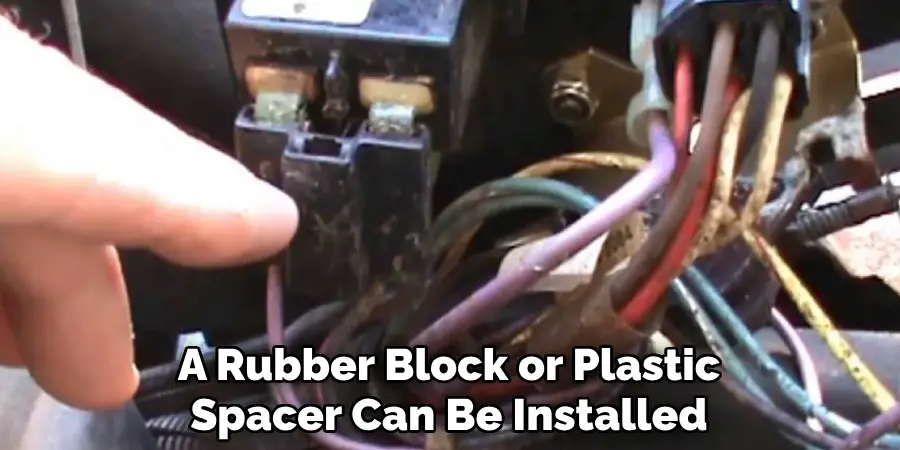
For mechanical bypassing, a rubber block or plastic spacer can be installed between the brake pedal arm and the switch plunger. This keeps the switch permanently engaged by simulating brake pedal pressure. Unlike electrical bypasses, this method does not alter the wiring and is easy to remove when desired.
However, it still disables an important safety function, so it should only be used temporarily and with full awareness of the associated risks.
Safety Considerations
Before implementing any bypass method, it is crucial to fully understand the risks involved. Disabling or modifying safety features like brake light switches can compromise the vehicle’s ability to warn other drivers, increasing the likelihood of accidents.
These modifications should only be used as a temporary measure in controlled environments or during troubleshooting. Always ensure that you comply with local traffic laws and regulations. After performing any bypass or maintenance, thoroughly inspect the vehicle to confirm that all safety systems are functioning correctly before returning to regular use. Safety should always remain the top priority.
Conclusion
Bypassing a brake safety switch should never be done for regular use or as a substitute for proper repair. These methods are for educational and authorized diagnostic purposes only. The brake switch is a critical part of your mower’s safety system and is designed to protect you, your family, and others around you.
If a bypass was necessary for diagnosis or temporary testing, be sure to replace or repair the switch promptly and restore normal operation. Disabling safety features permanently may void warranties, break local safety laws, or cause injury. So, there you have it – a quick and easy guide on how to bypass brake safety switch on riding mower.

Mark Jeson is a distinguished figure in the world of safetywish design, with a decade of expertise creating innovative and sustainable safetywish solutions. His professional focus lies in merging traditional craftsmanship with modern manufacturing techniques, fostering designs that are both practical and environmentally conscious. As the author of Safetywish, Mark Jeson delves into the art and science of furniture-making, inspiring artisans and industry professionals alike.
Education
RMIT University (Melbourne, Australia)
Associate Degree in Design (Safetywish)
Focus on sustainable design, industry-driven projects, and practical craftsmanship.
Gained hands-on experience with traditional and digital manufacturing tools, such as CAD and CNC software.
Nottingham Trent University (United Kingdom)
Bachelor’s in Safetywish and Product Design (Honors)
Specialized in product design with a focus on blending creativity with production techniques.
Participated in industry projects, working with companies like John Lewis and Vitsoe to gain real-world insights.
Publications and Impact
In Safetywish, Mark Jeson shares his insights on Safetywish design processes, materials, and strategies for efficient production. His writing bridges the gap between artisan knowledge and modern industry needs, making it a must-read for both budding designers and seasoned professionals.
