
Almost everyone has experienced the annoyance or anxiety that comes with a stuck key in a door lock. Whether you’re rushing to leave for work or trying to secure your home for the night, a key that refuses to budge can quickly become a stressful situation. The reasons for a key getting stuck range from normal wear and tear or misaligned internal lock components to issues like dirt, debris, or even a bent or damaged key. Left unaddressed, forcing or mishandling the situation can lead to worse outcomes, such as a broken key or a damaged lock, resulting in costly repairs or replacements.
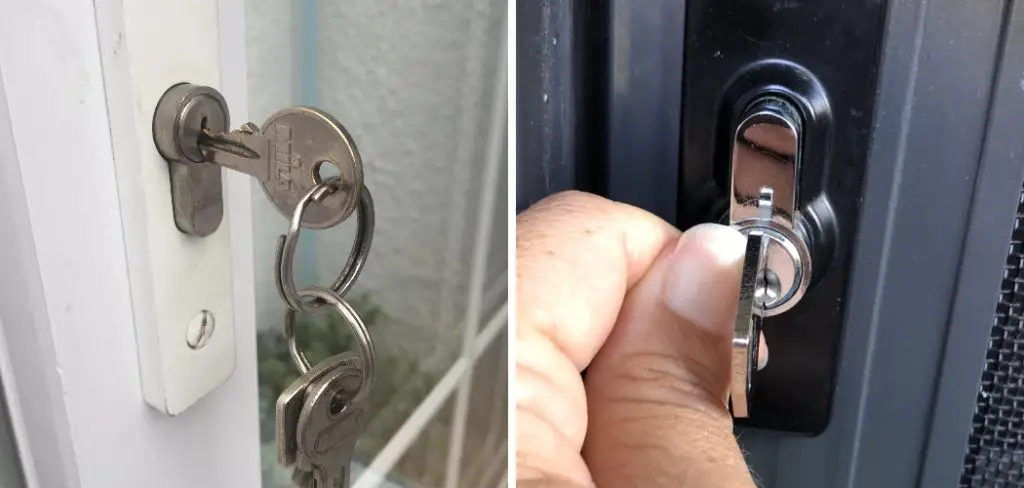
This comprehensive guide will walk you through the steps on how to get key out of door. You’ll learn safe techniques to extract the key, practical tips to avoid making matters worse, and preventative measures to keep your locks and keys functioning smoothly. Whether you’re a homeowner, renter, or property manager, the following advice is designed to help you confidently handle a stuck key situation and keep your locks in top condition.
Understanding Why Keys Get Stuck
Common Causes of Stuck Keys
To effectively get a key out of a door, it’s helpful to understand why it got stuck in the first place. A variety of issues may be at play:
- Misaligned pins in the lock mechanism: Locks consist of several pins that align once the correct key is inserted. If the key is worn, the lock parts are aging, or the door has settled, these pins may not align perfectly, making it harder to remove the key.
- Wear and tear: Both locks and keys degrade over time. A worn key may lose its distinct notches, while an older lock may snag, increasing the chances of the key becoming lodged.
- Dirt, debris, or rust: Over time, locks collect dust, dirt, and sometimes rust, especially in outdoor environments. This build-up can cause keys to stick, turn with difficulty, or fail to come out smoothly.
Risks of Forcing the Key
The first impulse when a key refuses to release is often to pull harder or twist more forcefully. This approach can backfire for several reasons:
- Key breakage: Keys, especially older or bent ones, can snap with too much pressure. Extracting a broken key from a lock is often much harder and may require professional assistance.
- Lock damage: Forcing a key can bend or misalign the pins further, or worse, damage the lock cylinder itself. Not only does this make the door harder to secure, but it can escalate repair costs dramatically.
Immediate Steps to Take
Stay Calm and Avoid Force
It’s easy to get frustrated when a key gets stuck, but it’s critical to remain calm. Panicking and applying force could turn a simple fix into a complicated repair.
Remaining composed allows you to approach the problem methodically. Taking the right steps increases your chances of retrieving the key intact and avoiding additional damage to the lock.
Gently Wiggle the Key
Before you reach for tools, try this: hold the key by its base and gently wiggle it up and down, while slowly pulling it backward. This technique often helps realign the pins inside the lock and may loosen any minor obstructions.
Remember to avoid excessive side-to-side movement, as this can bend the key and make the situation worse. If there’s significant resistance, stop and try a different method rather than risk snapping the key.
Tools for Removing a Key
Items Around the House That Can Help
If wiggling doesn’t work, simple household items may provide the edge you need to get the key out of the door:
- Household lubricants: Products such as WD-40, silicone spray, or even lightweight machine oil can loosen a stuck key by reducing friction inside the lock. Always use a lubricant suitable for locks—oily products can attract more dust or dirt over time.
- Pliers or tweezers: If there’s enough of the key exposed, you can gently grip the end with pliers or large tweezers. Make sure your grip is firm but not crushing, and pull straight out without twisting.
Specialized Locksmith Tools
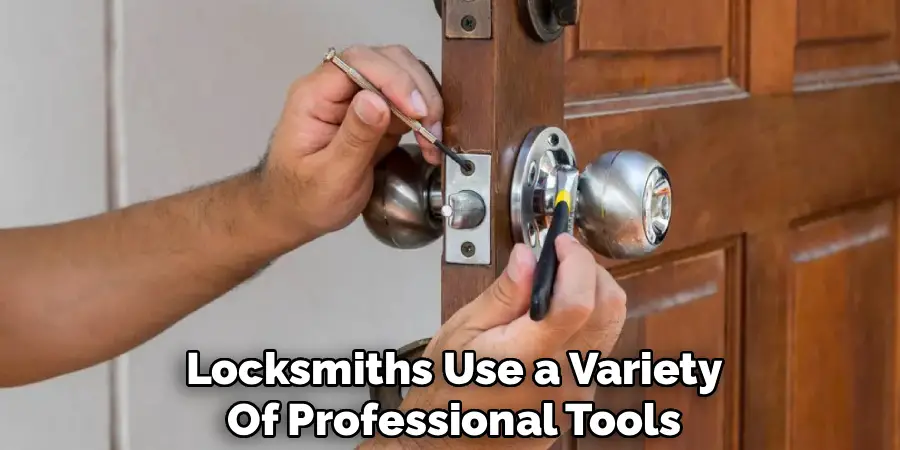
Locksmiths use a variety of professional tools, including:
- Broken key extractors: These slim, hook-shaped tools can grab the edge of a stuck key or broken fragment, allowing precise extraction. While these are often sold online or at hardware stores, using them requires a steady hand and some patience.
- Pinning kits and plug followers: More advanced tools designed for professionals, these are generally used in scenarios where the lock must be dismantled. Homeowners usually won’t have these on hand, but should be aware they exist in case the situation escalates.
Using Lubricants Effectively
How to Lubricate the Lock Safely
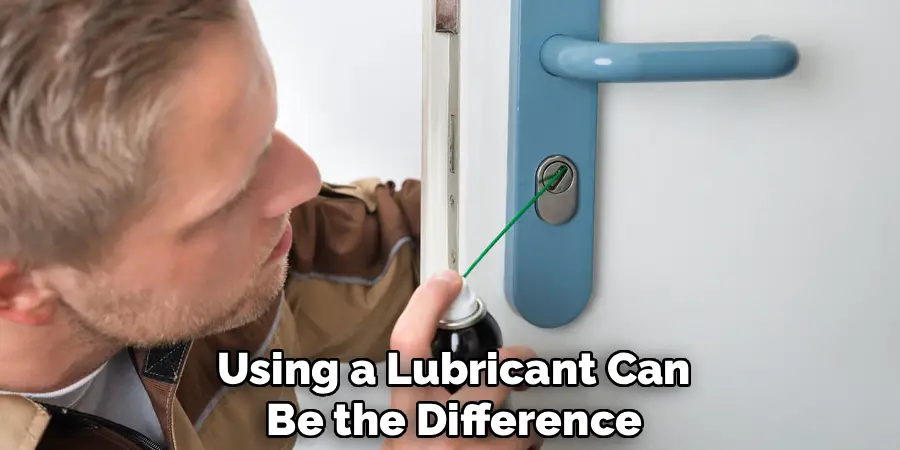
Using a lubricant can be the difference between a quick, successful extraction and a prolonged headache.
- Choose an appropriate lubricant, such as graphite spray or a lock-specific product. If none are available, small amounts of WD-40 or silicone spray are acceptable for emergencies.
- Insert the straw attachment (if your product has one) into the keyhole, targeting the space around the stuck key.
- Spray lightly, allowing the lubricant to penetrate the lock mechanism rather than flooding it.
- Wait a minute or two, then gently try to wiggle and pull out the key.
This process can reduce internal friction and help overcome minor obstructions without resorting to force.
Precautions to Avoid Overuse
Over-lubrication can attract dust and debris, leading to future jamming or stickiness. For this reason:
- Use only a small amount—enough to coat the pins lightly.
- Wipe away excess lubricant from the face of the lock and key.
- Avoid regular use of oily lubricants like cooking or motor oil, which trap dirt more easily.
How to Get Key Out of Door: Techniques for Stubborn Keys
Using Pliers to Gently Pull
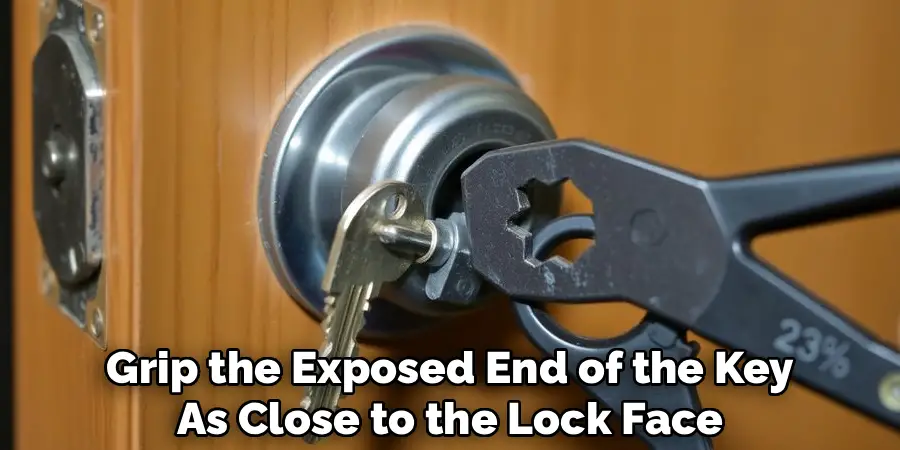
If part of the key is accessible, reach for a pair of pliers. Grip the exposed end of the key as close to the lock face as possible—this gives you maximum control and minimizes the chance of bending or breaking the key. Slowly apply even, steady pressure to pull the key directly outward. Avoid twisting, which could break the key.
If the key starts to move, continue with slow, gentle pulling until it’s completely free. If there’s no movement after several gentle attempts, pause to prevent further stress on the key or lock.
Tapping the Lock Gently
Internal alignment issues sometimes respond well to gentle vibrations. Take the handle of a screwdriver (or another non-damaging tool) and lightly tap the area around the lock cylinder. The goal is not to hammer, but to encourage the internal pins or tumblers to realign just enough to free the key.
While tapping, try lightly wiggling and pulling the key as described earlier. Avoid hitting hard or using metal-on-metal contact, which could mar the door’s finish or damage the mechanism.
Heating the Key (Advanced Technique)
In rare cases, heat can be used to expand or contract the metal components just enough to release a stuck key:
- Use a low heat source like a hairdryer to warm the key and the area around the lock. Avoid open flames, which can be hazardous.
- After heating gently for a minute, try moving the key again. As the key and lock cool, slight changes in metal expansion may allow the key to come loose.
- Handle with care: Do not use this method on plastic or painted doors, as heat may cause surface damage.
If you’re not comfortable with this technique, it’s best reserved for professionals.
When to Call for Professional Assistance
Recognizing Situations Beyond DIY Repairs
If all else fails or you encounter any of the following, it’s time to call a locksmith:
- Broken key in the lock: Attempting to extract a fragment with improvised tools can push it further in or damage internal components.
- Sustained resistance: If the key or lock shows no sign of movement despite careful efforts, forcing the situation could cause harm.
- Visible damage to the key or lock: Bent, snapped, or warped keys require professional intervention.
A professional can safely extract broken keys, realign lock components, or replace the cylinder if necessary.
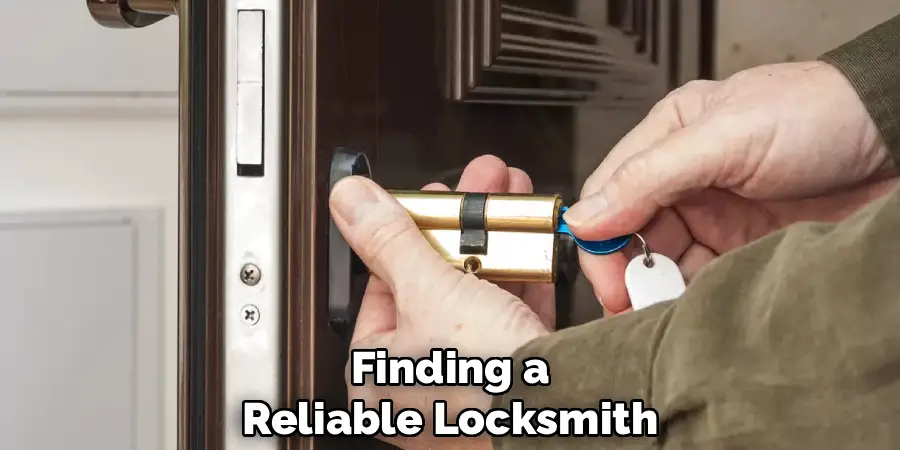
Finding a Reliable Locksmith
When the moment comes to seek help, make sure you:
- Look for licensed or certified locksmiths to avoid scams.
- Consult reviews or get referrals from neighbors or friends.
- Request an upfront estimate to prevent hidden charges.
- Confirm credentials on arrival, as reputable locksmiths will carry identification and proof of certification.
By ensuring your locksmith is trustworthy, you avoid additional headaches or unnecessary expenses.
Preventing Keys from Getting Stuck in the Future
Regular Maintenance for Locks
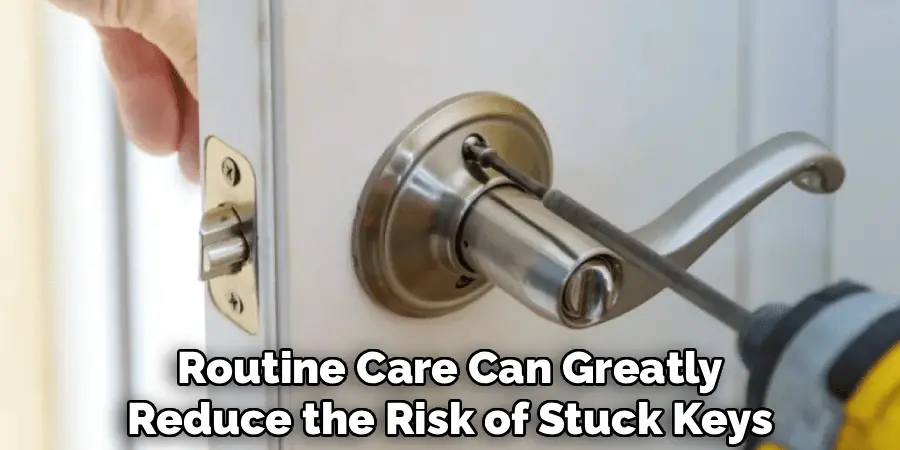
Routine care can greatly reduce the risk of stuck keys. To keep both keys and locks in good shape:
- Clean and lubricate locks every few months with suitable products to minimize friction and reduce debris accumulation.
- Inspect for wear and tear: Replace keys or lock components showing signs of excessive wear.
- Address rust or corrosion immediately, especially on exterior doors exposed to the elements.
Proper Usage of Keys
- Don’t force keys: If you encounter resistance when locking or unlocking, stop and investigate rather than applying extra pressure.
- Keep keys clean: Remove dirt, grime, or stickers that could shed residue.
- Turn keys gently: Excessive twisting or abrupt movement increases the risk of bending or breaking.
These practices extend the life of both keys and locks, saving you from future hassles.
Addressing Related Lock Issues
What to Do If the Key Breaks Inside
Sometimes, a stuck key issue escalates into a broken key inside the lock. Here’s how to handle it:
- Do not attempt to use the lock again—this could drive fragments further inside.
- If part of the key is visible, attempt to use needle-nose pliers or a broken key extractor to gently remove it.
- If no part of the key is accessible, professional help is essential to prevent damage.
Lock Replacement Versus Repair
After experiencing a serious incident like a broken key, assess whether it makes sense to repair or replace your lock entirely:
- Repair: Suitable for minor issues, such as a key fragment that’s easily removed and an otherwise undamaged lock.
- Replacement: If the lock is old, frequently sticks, or shows signs of damage, replacing it provides long-term security and reliability.
Consult with a locksmith if unsure—many will inspect and offer advice on the most cost-effective solution.
The Cost of Key and Lock Repairs
Average Costs of DIY and Professional Services
Extracting a stuck or broken key from a lock can sometimes be managed at home with minimal expense—often the cost of a lubricant or basic tools. However, situations requiring a locksmith generally cost more:
- DIY solutions: Typically range from $5 to $30, depending on what tools or lubricants you need to purchase.
- Professional locksmiths: Key extraction services often start at around $75 to $150, depending on your location, the type of lock, and time of day. Additional charges may apply for after-hours service or if lock replacement is necessary.
Options to Save Money
- Maintain locks and keys: Regular cleaning and lubrication minimize the risk of issues.
- Duplicate keys: Using spare keys in good condition reduces wear on originals and further protects your locks.
- Address problems early: Address sticky keys or tough locks promptly before a minor nuisance becomes a costly repair.
Conclusion
Getting a key out of a door when it’s stuck can be nerve-wracking, but with the right approach, you can often solve the problem without causing further damage. Remember: one of the most important rules is never to force the issue. Understand why keys get stuck—whether due to misalignment, dirt, or wear—and choose the correct method and tool for safe removal. Use lubricants and gentle wiggling first, progressing to pliers or tapping techniques if needed, but always be willing to stop and seek professional help when you encounter resistance or breakage.
By following these step-by-step instructions on how to get key out of door, you not only resolve the immediate crisis but also gain insights into better lock and key care for the future. Investing a little time in regular maintenance and mindful use goes a long way toward preventing repeat occurrences, ensuring that your doors—and your peace of mind—remain secure for years to come.

Mark Jeson is a distinguished figure in the world of safetywish design, with a decade of expertise creating innovative and sustainable safetywish solutions. His professional focus lies in merging traditional craftsmanship with modern manufacturing techniques, fostering designs that are both practical and environmentally conscious. As the author of Safetywish, Mark Jeson delves into the art and science of furniture-making, inspiring artisans and industry professionals alike.
Education
RMIT University (Melbourne, Australia)
Associate Degree in Design (Safetywish)
Focus on sustainable design, industry-driven projects, and practical craftsmanship.
Gained hands-on experience with traditional and digital manufacturing tools, such as CAD and CNC software.
Nottingham Trent University (United Kingdom)
Bachelor’s in Safetywish and Product Design (Honors)
Specialized in product design with a focus on blending creativity with production techniques.
Participated in industry projects, working with companies like John Lewis and Vitsoe to gain real-world insights.
Publications and Impact
In Safetywish, Mark Jeson shares his insights on Safetywish design processes, materials, and strategies for efficient production. His writing bridges the gap between artisan knowledge and modern industry needs, making it a must-read for both budding designers and seasoned professionals.
