
Are you worried about the security of your home’s sliding door? Here’s a quick and easy guide on how to lock a sliding door, ensuring the safety of you and your loved ones.
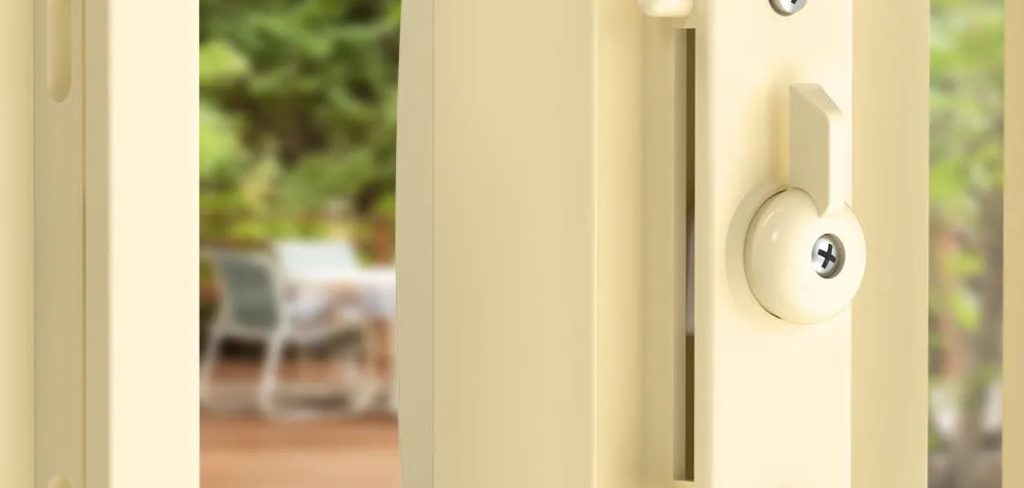
Sliding doors are a popular choice for homes due to their sleek design, space-saving functionality, and ability to bring in natural light. However, ensuring that these doors are securely locked is essential for maintaining home safety and preventing unauthorized access. Properly locking a sliding door not only protects your property but also provides peace of mind.
Whether you’re securing your home for the night or preparing to leave for an extended period, understanding how to effectively lock a sliding door is a crucial step in improving your overall security.
What Are the Benefits of Locking Your Sliding Doors?
- Improved Home Security: As previously mentioned, properly locking your sliding doors can greatly enhance the overall security of your home. It serves as a deterrent for potential intruders and makes it more difficult for them to gain access.
- Prevention of Break-ins: According to statistics from the FBI, over 25% of all reported burglaries occur because of an unlocked door or window. By ensuring that your sliding doors are securely locked, you significantly decrease the likelihood of becoming a victim of burglary.
- Protection From Extreme Weather: In addition to protecting against burglars, locking your sliding doors also protects against severe weather conditions such as strong winds or storms. It helps to keep the elements out and maintain a safe and secure environment inside your home.
- Child Safety: Sliding doors can pose a potential hazard for young children if left unlocked. By locking them, you create a barrier that prevents children from accidentally opening the doors and wandering outside unsupervised.
- Energy Efficiency: Properly sealed sliding doors help in keeping the heat or cold air inside your home, reducing energy costs. When locked, they provide an additional layer of insulation and prevent air leaks, leading to more efficient temperature control.
What Will You Need?
- Sliding door lock or latch
- Drill and drill bits (if needed)
- Screwdriver
- Screws (if not included with the lock/latch)
- Measuring tape (if needed)
Once you have gathered all the necessary tools and materials, it’s time to install your sliding door lock.
10 Easy Steps on How to Lock a Sliding Door
Step 1. Clean the Door Track
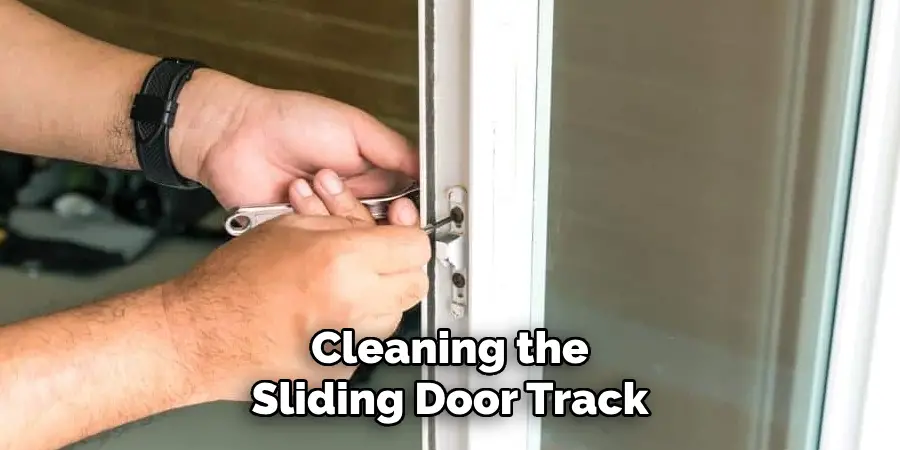
Start by thoroughly cleaning the sliding door track to ensure smooth operation and a proper fit for the lock. Use a vacuum cleaner or a brush to remove any accumulated dust, dirt, or debris. Then, wipe down the track with a damp cloth and allow it to dry completely before proceeding. A clean track not only improves functionality but also helps achieve a secure installation.
Step 2. Close the Sliding Door
Slide the door completely shut, ensuring it aligns properly within the frame. Check that there is no gap between the door and the frame, as this is necessary for the lock to function effectively. Once closed, make sure the door is stable and doesn’t wiggle, as any movement could compromise the security of the lock.
Step 3. Mark the Lock Position
Using a pencil or marker, carefully mark the spot where the lock mechanism will be installed. Ensure the marking aligns perfectly with the lock latch on the door frame for optimal security. To do this accurately, hold the lock in position against the door and verify proper placement.
Double-check the alignment by opening and closing the sliding door gently to confirm that the marked position allows the latch to engage securely without any obstruction. Taking this step precisely ensures that the lock will operate smoothly and maintain the door’s security once installed.
Step 4. Drill Holes for the Lock
Using the markings made in the previous step, carefully drill pilot holes into the door and frame at the specified points. Use a drill bit that matches the size recommended in the lock’s installation instructions to avoid damaging the door. Ensure you drill straight and at the correct depth to accommodate the screws without compromising the material’s integrity.
After drilling, clean off any debris or dust around the holes to prepare for the next steps in securing the lock properly.
Step 5. Secure the Lock Mechanism
Carefully position the lock mechanism over the drilled holes, ensuring it aligns perfectly with the markings made earlier. Insert the screws provided with the lock set through the designated openings on the mechanism.
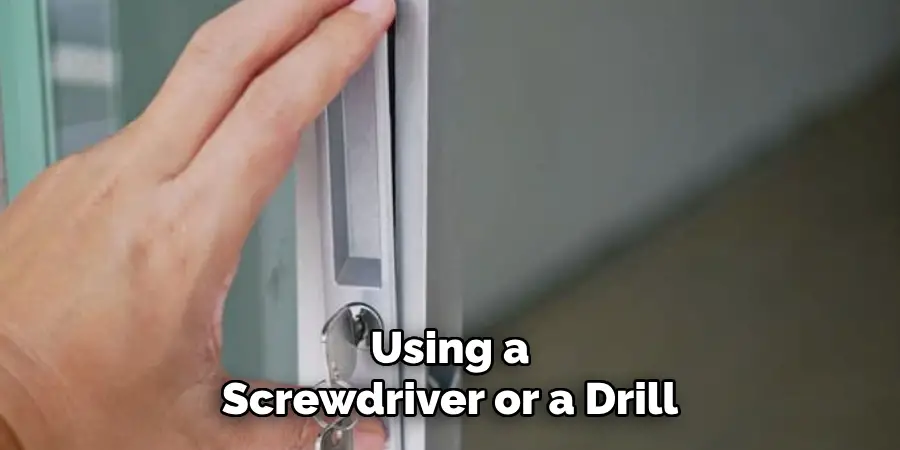
Using a screwdriver or a drill with the appropriate attachment, tighten the screws securely but avoid over-tightening, as this could strip the threads or damage the door material. Once the mechanism is fastened, test its stability by gently wiggling it to ensure it does not shift or loosen.
Step 6. Install the Catch or Receiver
Align the catch or receiver with the corresponding position on the door frame. Typically, the catch will have a recessed area to accommodate the latch from the lock mechanism. Hold the catch in place and mark the screw holes with a pencil. If necessary, use a chisel to create a shallow mortise in the door frame, ensuring the catch sits flush with the surface. Once prepared, position the catch over the marked area and secure it with screws. Double-check the alignment by closing the door to ensure the latch fits smoothly into the catch without excess resistance or gaps.
Step 7. Test the Lock
Close the door and engage the locking mechanism to test its operation. Ensure the latch aligns perfectly with the catch, allowing the lock to function smoothly without sticking or requiring excessive force.
Test both the locking and unlocking actions multiple times to guarantee consistency. If any issues arise, such as misalignment or difficulty in operation, adjust the catch or latch as needed. A properly installed lock should provide security and ease of use.
Step 8. Make Adjustments if Necessary
If the lock does not function as intended, carefully examine the installation to identify the issue. Common problems may include a misaligned catch, an improperly seated latch, or a tight fit preventing smooth operation. Use the appropriate tools to adjust the positioning of the latch or catch, ensuring they are aligned correctly and allow for seamless locking and unlocking.
Check screws for proper tightness and reposition any components that may have shifted during installation. After making adjustments, test the lock again to confirm that it operates smoothly and securely. Repeat this process as needed until the lock performs reliably.
Step 9. Add Additional Locks
To enhance security, consider installing additional locks, such as deadbolts or chain locks, alongside your primary lock system. Begin by choosing locks that are compatible with your door material and meet the required security standards. Mark the appropriate positions for the additional locks on the door, ensuring they do not interfere with the main locking mechanism.
Follow the manufacturer’s installation instructions carefully, using the recommended tools for precise fitting. Once installed, test the new locks to ensure they operate smoothly and provide the intended level of security.
Step 10. Regular Maintenance

Regular maintenance is crucial to ensure the longevity and effectiveness of your door locks. Periodically inspect the locks for signs of wear, rust, or damage that could compromise their performance. Lubricate the internal mechanisms with a manufacturer-recommended lubricant to maintain smooth operation. Tighten any loose screws or components, and replace worn-out parts promptly.
By following these steps, you can effectively lock your sliding door, enhancing security and peace of mind in your home.
5 Things You Should Avoid
- Using Poor-Quality Locks
Avoid relying on cheap or poorly made locks, as they are more prone to failure and tampering. Invest in high-quality locks designed specifically for sliding doors to ensure better security.
- Ignoring Regular Maintenance
Overlooking the regular maintenance of your sliding door locks can lead to wear and tear, making them less effective over time. Always inspect and maintain your locks as needed.
- Blocking the Track Improperly
Placing unsuitable items like wooden sticks or random objects in the door track can cause damage to the frame or hinder proper function. If additional barricades are required, opt for purpose-built track blockers.
- Forgetting to Lock the Door
It may seem obvious, but forgetting to engage the lock after closing your sliding door is a common oversight. Always double-check that the lock is secure before leaving or going to bed.
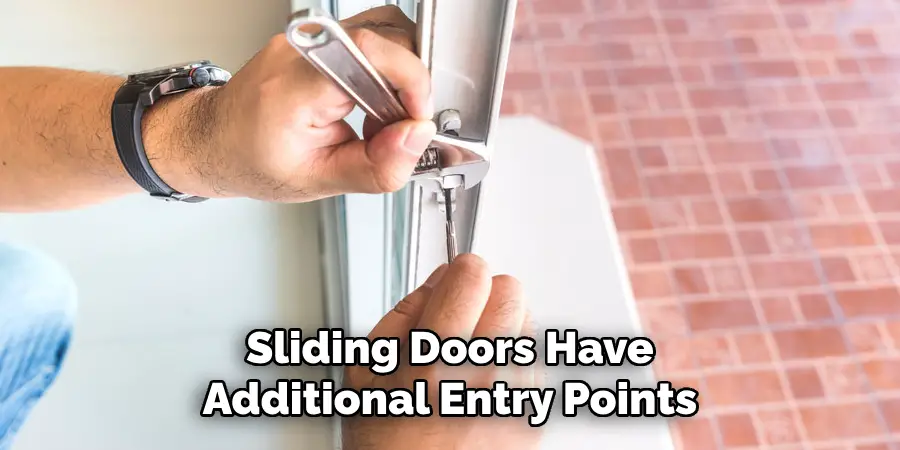
- Neglecting to Secure Secondary Entry Points
Some sliding doors have additional entry points, like adjoining windows or panels. Neglecting to secure these areas can leave your home vulnerable, even if the main sliding door lock is engaged.
Conclusion
Locking a sliding door effectively requires attention to detail and proactive measures.
By regularly inspecting the lock mechanism, securing any secondary entry points, and utilizing additional security tools like a blocking bar or security pin, you can significantly enhance your home’s safety. Simple habits, such as double-checking the lock before leaving or retiring for the night, go a long way in ensuring peace of mind. Employ these strategies consistently to protect your home and loved ones from potential intrusions.
Hopefully, the article on how to lock a sliding door has provided valuable insights and tips to help you secure your home.

Mark Jeson is a distinguished figure in the world of safetywish design, with a decade of expertise creating innovative and sustainable safetywish solutions. His professional focus lies in merging traditional craftsmanship with modern manufacturing techniques, fostering designs that are both practical and environmentally conscious. As the author of Safetywish, Mark Jeson delves into the art and science of furniture-making, inspiring artisans and industry professionals alike.
Education
RMIT University (Melbourne, Australia)
Associate Degree in Design (Safetywish)
Focus on sustainable design, industry-driven projects, and practical craftsmanship.
Gained hands-on experience with traditional and digital manufacturing tools, such as CAD and CNC software.
Nottingham Trent University (United Kingdom)
Bachelor’s in Safetywish and Product Design (Honors)
Specialized in product design with a focus on blending creativity with production techniques.
Participated in industry projects, working with companies like John Lewis and Vitsoe to gain real-world insights.
Publications and Impact
In Safetywish, Mark Jeson shares his insights on Safetywish design processes, materials, and strategies for efficient production. His writing bridges the gap between artisan knowledge and modern industry needs, making it a must-read for both budding designers and seasoned professionals.
