
Bypassing a Cadillac security system can sometimes be necessary, especially if you are experiencing issues with a malfunctioning system or misplaced keys. It is essential to approach this process responsibly and legally, ensuring that you are the rightful owner of the vehicle before attempting any bypass methods.

This guide aims to provide a clear and straightforward explanation of how to bypass cadillac security system. Always consult with a professional if you are unsure or facing persistent issues.
Why You Might Need to Bypass the Security System
There are several reasons why you might need to bypass a Cadillac security system. One common scenario is when the system malfunctions, preventing the vehicle from starting or operating correctly. This could be due to a faulty key fob, damaged wiring, or software glitches in the system. Additionally, if you lose your keys or they get damaged, the security system may lock you out of your own car, necessitating a temporary bypass to regain access.
Another reason could be wear and tear on older vehicle models, where the security components degrade over time and cause frequent issues. Whatever the reason, bypassing the system often becomes necessary as a troubleshooting step to keep the vehicle functional, but it should always be done responsibly and as a last resort.
Signs of a Faulty Security System
A malfunctioning security system in a Cadillac can exhibit various symptoms that may hinder the vehicle’s performance or functionality. One common sign is difficulty starting the car, where the engine fails to turn over despite a fully functional battery.
This often indicates an issue with the key fob or the communication between the fob and the vehicle. Another telltale sign is an illuminated security or warning light on the dashboard, signaling a possible fault in the system.
Additionally, doors that fail to unlock or lock electronically may point to worn-out sensors or a problem in the vehicle’s central locking system. Intermittent alarms that activate without reason can also be a clue to a malfunction. Identifying these issues early and addressing them promptly can help maintain the system’s integrity and prevent further complications.
Tools and Materials You Will Need
To effectively diagnose and resolve issues with your vehicle’s electronic systems, it is essential to have the right tools and materials on hand. Here is a list of commonly required items:
- OBD-II Scanner: For reading diagnostic codes and identifying system faults.
- Multimeter: To test electrical connections and check for continuity or voltage issues.
- Screwdrivers and Pliers: Basic tools for accessing and securing components.
- Replacement Fuses: To address blown fuses that may be causing electrical problems.
- Electrical Tape and Wire Connectors: For repairing damaged wiring or securing connections.
- Owner’s Manual: Provides detailed information about your vehicle’s systems and components.
- Cleaning Supplies: Such as contact cleaner to remove dirt or corrosion on connectors.
Having these tools and materials available will allow you to troubleshoot and repair your vehicle’s electronic system efficiently.
10 Steps How to Bypass Cadillac Security System
1. Try the “10-Minute Relearn” (Passlock I & II)
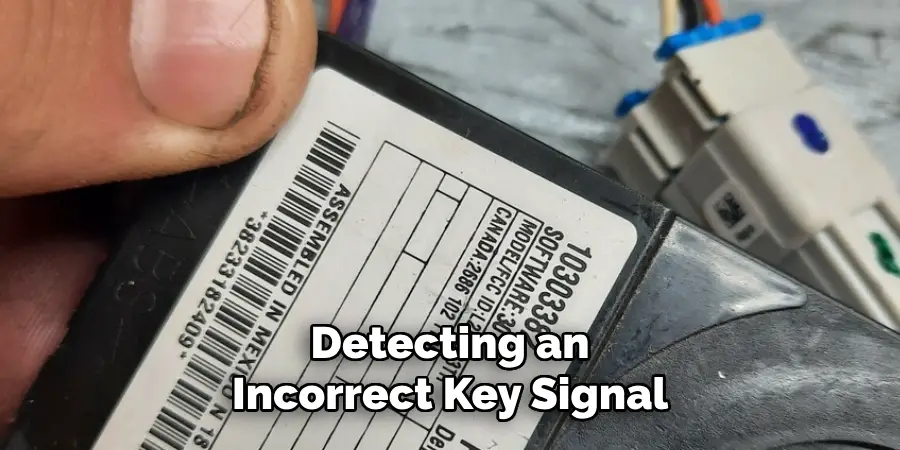
On many Cadillacs with Passlock I or II, the system disables the fuel or starter for 10 minutes after detecting an incorrect key signal. To bypass this temporarily, insert your key in the ignition, turn it to the “ON” position (not start), and leave it there for 10 to 12 minutes. The “security” light on the dashboard should turn off.
Once it does, turn the key to “OFF” for 30 seconds, then attempt to start the vehicle. This method relearns the key resistance value and works well in cases of false triggering due to worn ignition switches or wiring corrosion.
2. Use a Resistor Matching Your Key’s VATS Chip
Older Cadillac models equipped with the VATS (Vehicle Anti-Theft System) use keys with a visible metal resistor chip. The car must detect the exact resistance value (in ohms) of this chip to allow starting. If the key is lost, you can bypass the VATS system by identifying the correct resistance and installing a resistor of the same value in place of the key’s circuit.
This involves cutting the two small white wires under the steering column that read the key resistance and soldering a resistor of the correct value between them. There are 15 standard VATS resistor values, ranging from ~400 to ~11,800 ohms. You can use a multimeter to test a working key’s resistance if you still have one.
3. Install a VATS Bypass Module (Electronic Emulator)
An electronic VATS bypass module can emulate the correct resistance signal indefinitely, allowing permanent bypass of the VATS system. These small circuit boards are wired into the ignition harness and fool the ECU into believing the correct key is inserted every time.
These devices are commonly used in engine swaps, performance builds, or when ignition components are too costly or unavailable. They’re legal to use in a vehicle you own, but should never be installed to enable unauthorized access.
4. Bypass the Ignition Lock Cylinder Sensor (Passlock II)
In Passlock II systems, the ignition lock cylinder contains a sensor that reads the key’s mechanical action rather than a chip. If the cylinder sensor fails, the BCM (Body Control Module) will not allow the engine to start.
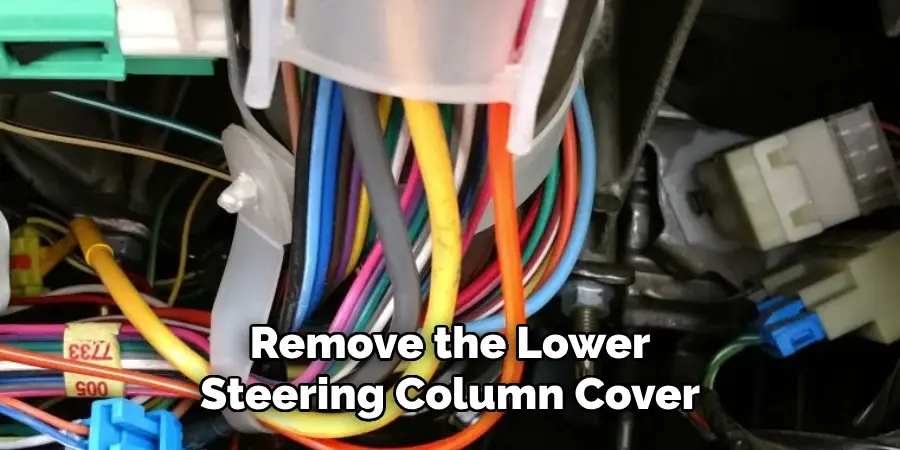
To bypass it, remove the lower steering column cover, locate the three small wires going to the ignition cylinder sensor (usually yellow, black, and white), and disconnect the signal wire (typically yellow). Grounding or simulating the signal through a specific resistance can trick the BCM into thinking the lock cylinder is functioning.
5. Check for a Worn Ignition Switch or Loose Passlock Sensor
Sometimes the issue isn’t the security system but the ignition switch itself, especially in older Cadillacs. A worn-out ignition can fail to rotate fully or engage the sensor inside the cylinder.
You can temporarily bypass this by removing and repositioning the ignition switch harness, or in some cases, wiggling the key gently while turning it to start. If this works consistently, the cylinder or Passlock sensor should be replaced.
6. Disable Security System via BCM Reprogramming (Advanced)
In later model Cadillacs, the anti-theft system is integrated with the BCM (Body Control Module). Advanced users with access to GM’s Tech 2 or equivalent programming tool can reprogram the BCM or disable Passlock temporarily through software commands.
This requires dealership-grade tools or a high-end scan tool and should only be done when replacing or repairing faulty anti-theft components under authorized circumstances.
7. Perform a “30-Minute Relearn” for New Ignition Components
If the ignition cylinder, lock sensor, or key has been replaced, many Cadillacs require a 30-minute relearn procedure. Insert the new key, turn to ON (without starting), wait 10 minutes until the security light turns off. Turn off for 5 seconds. Repeat this cycle three times. On the fourth attempt, the car should start.
This tells the BCM to accept the new cylinder/key as trusted. It’s critical to perform this precisely or the system may remain locked.
8. Disconnect the Battery to Reset Temporary Lockout
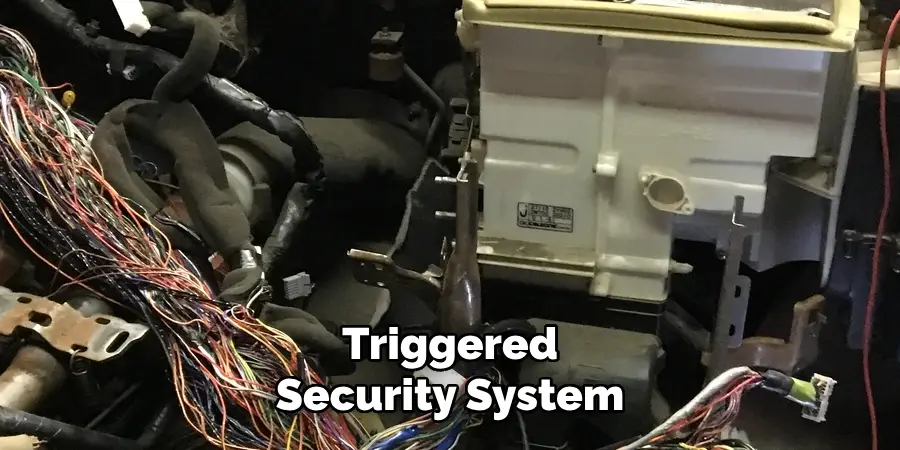
Sometimes, a triggered security system can enter a soft lockout that clears upon battery reset. Disconnect the negative battery cable for 15–30 minutes, then reconnect and try starting the vehicle again with the correct key.
This won’t bypass the system, but can clear a temporary fault from the ECU or BCM if the security light was flashing due to a transient issue.
9. Inspect and Repair Broken Wiring in the Steering Column
The wires running from the ignition to the BCM are prone to wear, especially in tilt steering models. Constant movement causes these small wires to fray or break, triggering the security system even if the key is valid.
To bypass this fault, access the wiring harness under the column, identify the broken wires, and either solder them back together or insert a resistor (if VATS). This method addresses the root cause of many false security triggers.
10. Seek Dealership Programming or Key Replacement
If bypass methods fail or aren’t suitable for your model, the safest and most reliable route is to have the dealer or certified locksmith program a new key or reflash the anti-theft system. Modern Cadillacs use transponder keys and rolling code immobilizers, which cannot be bypassed manually without specialized tools.

While more costly, this option restores full system function and ensures you maintain theft deterrent protections long term.
Conclusion
Cadillac’s security systems were engineered to protect against unauthorized use, but legitimate owners may find themselves locked out due to lost keys, failed resistors, or ignition cylinder issues. These 10 educational methods offer practical and responsible approaches to temporarily bypass or troubleshoot Cadillac anti-theft systems.
It is crucial to note that these procedures are only appropriate for owners or professionals working with permission. Improper or unauthorized use of these methods may be illegal and unethical. So, there you have it – a quick and easy guide on how to bypass cadillac security system.

Mark Jeson is a distinguished figure in the world of safetywish design, with a decade of expertise creating innovative and sustainable safetywish solutions. His professional focus lies in merging traditional craftsmanship with modern manufacturing techniques, fostering designs that are both practical and environmentally conscious. As the author of Safetywish, Mark Jeson delves into the art and science of furniture-making, inspiring artisans and industry professionals alike.
Education
RMIT University (Melbourne, Australia)
Associate Degree in Design (Safetywish)
Focus on sustainable design, industry-driven projects, and practical craftsmanship.
Gained hands-on experience with traditional and digital manufacturing tools, such as CAD and CNC software.
Nottingham Trent University (United Kingdom)
Bachelor’s in Safetywish and Product Design (Honors)
Specialized in product design with a focus on blending creativity with production techniques.
Participated in industry projects, working with companies like John Lewis and Vitsoe to gain real-world insights.
Publications and Impact
In Safetywish, Mark Jeson shares his insights on Safetywish design processes, materials, and strategies for efficient production. His writing bridges the gap between artisan knowledge and modern industry needs, making it a must-read for both budding designers and seasoned professionals.
