
Have you recently encountered trouble securing your screen door? Knowing how to change a screen door lock can save you time, money, and the stress of hiring a professional. Whether you’re dealing with a broken lock or upgrading to improve security, this guide will walk you through the process in a way that’s approachable, even for beginners.
Before starting, ensure you have the necessary tools and a compatible replacement lock. Common tools include a screwdriver, drill, and measuring tape. It’s also important to check the type and size of your current lock to ensure the new one will fit properly. Having everything prepared before beginning will make the process smoother and more efficient.
Screen door locks are integral to keeping your home secure, and learning to replace them empowers you to maintain your home’s functionality. Plus, with many screen doors in high-traffic areas, it’s useful to know how to fix common issues quickly. By the end of this article, you’ll feel confident enough to tackle the task with ease.
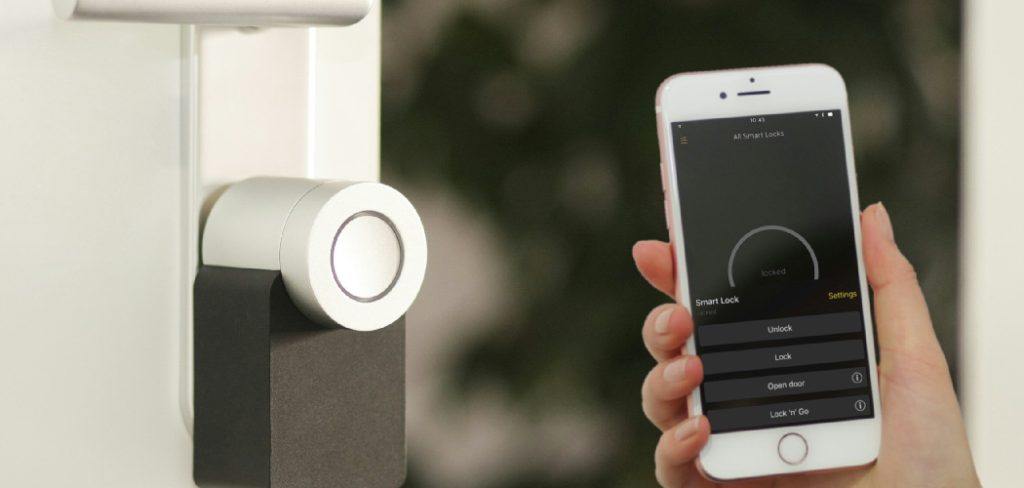
Why Changing a Screen Door Lock Matters
Swapping out a screen door lock is more than just a quick fix—it prevents potential security risks and ensures your door is functioning properly for daily use. Over time, locks can wear down due to exposure to the elements or frequent use. An outdated or malfunctioning lock puts your home at greater risk for break-ins or damage due to improper closure.
Additionally, screen doors are key parts of your home’s ventilation system, allowing fresh air in while keeping pests out. A sturdy, functional lock ensures the door operates as intended without compromising on security. Whether you’re upgrading to a sleeker design or simply addressing a problem with the existing lock, understanding how to change a screen door lock is a skill that will serve you well in the long run.
Step-by-Step Guide on How to Change a Screen Door Lock
Replacing your screen door lock involves a straightforward process that even beginners can handle. Below, we break it down into manageable steps to guide you seamlessly through the task.
Step 1: Gather Your Tools and Materials
Before you begin, ensure you have the necessary tools and materials. These typically include a new screen door lock, a screwdriver, and possibly a drill if your lock requires additional modifications. Check the packaging of your new lock for any specific requirements. Having the right tools on hand makes the process smoother and eliminates unnecessary interruptions.
Step 2: Inspect the Current Lock Mechanism
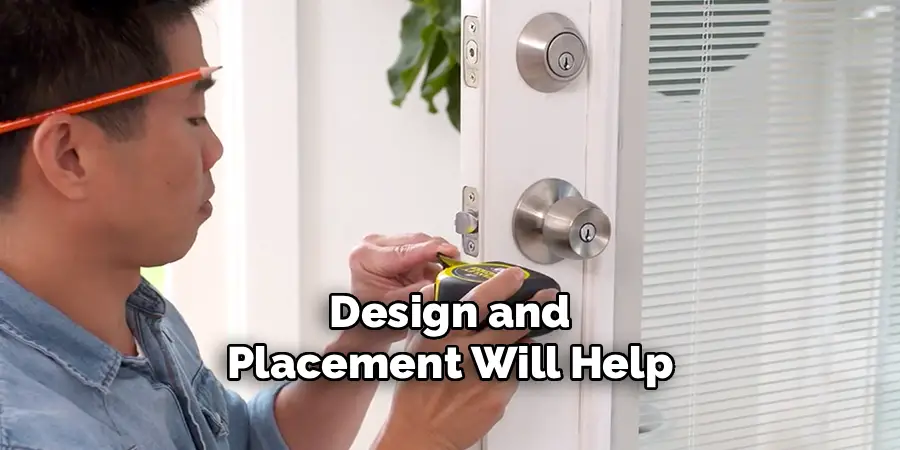
Identify the type of lock currently installed on your screen door. Common options include hook-and-eye latches, mortise locks, and surface-mounted locks. Understanding its design and placement will help you know how to uninstall it and ensure the new lock fits properly. Take note of any specific features that could impact compatibility with your replacement lock.
Step 3: Remove the Old Lock
Use a screwdriver to unscrew the screws securing the current lock to the door. Hold onto the screws in case you need them for future projects. Once loosened, carefully slide the lock mechanism out of its housing. If it’s stuck due to rust or dirt, gently wiggle it free to avoid damaging the door.
Step 4: Clean the Lock Area
With the old lock removed, inspect the area for dust, dirt, or debris that may have accumulated over time. Use a soft, damp cloth to clean the mounting area thoroughly. A clean surface ensures a tighter fit and prevents misalignment when installing the new lock.
Step 5: Test the Fit of Your New Lock
Position the new lock in the slot to test its fit. Align it with the door’s latch housing to ensure it fits snugly. If there is any mismatch, you might need to make small adjustments, such as drilling new holes or filling old ones, to achieve a perfect setup.
Step 6: Install the New Lock
Attach the new lock to the door, securing it with screws provided in the lock kit. Tighten each screw evenly to avoid tilting the lock. For added stability, ensure the lock is flush against the door. Follow the manufacturer’s instructions closely during this step for best results.
Step 7: Align the Strike Plate (if applicable)
If your lock requires a strike plate, position it on the door frame so that it aligns perfectly with the latch mechanism. This ensures smooth locking and unlocking. Use screws to secure the strike plate in place, ensuring it doesn’t shift when tested.
Step 8: Test the Mechanism
Close the screen door and operate the lock several times to verify its functionality. Check for smooth movement in both locking and unlocking positions. If the lock or latch sticks, identify and address the issue, which may involve adjusting screws or re-aligning components.
Step 9: Secure Additional Attachments
Some screen door locks include secondary attachments, such as chains or additional reinforcements. If applicable, install these last and make sure they’re firmly secured. These features provide extra stability and security for the door.
Step 10: Perform Final Adjustments
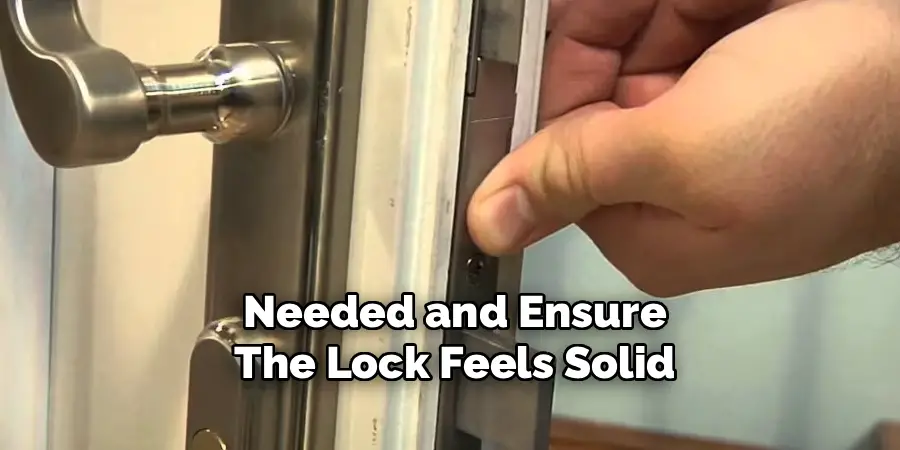
Lastly, examine the lock for any loose parts, uneven alignment, or unfinished screws. Tighten screws as needed and ensure the lock feels solid. This is the stage to polish your work and ensure no step has been overlooked.
Troubleshooting Guide
If you encounter issues during or after installing your screen door lock, refer to the following troubleshooting tips:
Lock is difficult to turn or sticks:
- Ensure all screws are tightened properly, but not so tight that they obstruct the movement of the lock mechanism.
- Apply a small amount of lubricant, such as graphite or silicone spray, to the locking mechanism to improve smoothness. Avoid using oil-based lubricants as they can attract dirt.
Door doesn’t latch properly:
- Confirm that the lock and strike plate are correctly aligned. If necessary, adjust the position of the strike plate using a screwdriver.
- Check that the screen door is hung evenly and not sagging, as this could affect the alignment.
Lock feels loose after installation:
- Double-check that all screws have been properly tightened. For stripped screws, consider using longer screws or wall anchors for additional support.
- Examine the surface of the screen door to ensure it’s not warped, as this could impact the lock’s fit.
Secondary attachments are unstable:
- For any secondary reinforcements, make sure they are installed according to the manufacturer’s instructions. Use proper tools to ensure a firm installation.
- Test the attachments to verify they hold steady without excessive movement.
Lock doesn’t engage or disengage properly:
- Inspect the internal components of the lock to ensure no debris or obstructions are causing the issue.
- If the problem persists, consider removing and reinstalling the lock to verify proper assembly.
By addressing these common issues, you can ensure your screen door lock operates efficiently and provides the desired level of security and functionality. If problems continue, consult the product manual or reach out to the manufacturer’s support team for further assistance.

Frequently Asked Questions Section
1. How do I know which lock is compatible with my screen door?
To find a compatible lock, examine your door’s existing latch mechanism. Measure its length, width, and the spacing of screw holes. These details help you identify locks of similar size and design. Taking a photo of the old lock to show to hardware store staff can also simplify the process.
2. Why won’t my new lock fit in the old slot?
A new lock might not fit due to differences in design or door specifications. Older doors may have non-standard cutouts or sizes, while modern locks often come with standardized measurements. You may need to modify the slot using a drill or file to ensure the new lock fits correctly.
3. How often should I replace my screen door lock?
Screen door locks typically last several years but should be replaced whenever they show signs of wear or malfunction. This includes loose components, rust, or difficulty in operating the lock. Regular maintenance can extend its lifespan, but frequent use in outdoor conditions might require earlier replacement.
4. Can I replace the lock without removing the screen door?
Yes, most screen door locks can be replaced without removing the entire door. The process involves only accessing the lock and latch area. However, if the lock components are particularly difficult to reach, detaching the door might make the task easier.
5. How can I improve the security of my screen door lock?
Upgrading to a more advanced design, such as a keyed lock or electronic model, can significantly enhance security. Installing additional hardware, like a strike plate or door reinforcements, can also offer added protection. Regular inspection and maintenance prevent your lock from becoming vulnerable over time.

Conclusion
Changing a screen door lock may seem daunting at first, but with the right tools and step-by-step guidance, it’s a task anyone can handle. By following this guide, you’ve learned how to change a screen door lock efficiently while ensuring a secure and functional result. Remember, regular maintenance and occasional upgrades go a long way in keeping your screen door in top condition.
If you encounter any issues during the process, don’t hesitate to consult a professional or refer to the manufacturer’s instructions for your specific lock model. Taking the time to address any challenges ensures a smooth installation and enhances the longevity of your screen door lock.
Take what you’ve learned here and give it a try—you’re just a few simple steps away from a safer, more secure home!

Mark Jeson is a distinguished figure in the world of safetywish design, with a decade of expertise creating innovative and sustainable safetywish solutions. His professional focus lies in merging traditional craftsmanship with modern manufacturing techniques, fostering designs that are both practical and environmentally conscious. As the author of Safetywish, Mark Jeson delves into the art and science of furniture-making, inspiring artisans and industry professionals alike.
Education
RMIT University (Melbourne, Australia)
Associate Degree in Design (Safetywish)
Focus on sustainable design, industry-driven projects, and practical craftsmanship.
Gained hands-on experience with traditional and digital manufacturing tools, such as CAD and CNC software.
Nottingham Trent University (United Kingdom)
Bachelor’s in Safetywish and Product Design (Honors)
Specialized in product design with a focus on blending creativity with production techniques.
Participated in industry projects, working with companies like John Lewis and Vitsoe to gain real-world insights.
Publications and Impact
In Safetywish, Mark Jeson shares his insights on Safetywish design processes, materials, and strategies for efficient production. His writing bridges the gap between artisan knowledge and modern industry needs, making it a must-read for both budding designers and seasoned professionals.
