
Seeing the “Service StabiliTrak” warning light on your Chevy Impala’s dashboard can be unsettling. StabiliTrak is a critical safety feature that helps you maintain control of your vehicle in challenging driving conditions, so any warning message deserves attention. Fortunately, many issues that trigger this light are temporary glitches that you can resolve yourself without an expensive trip to the mechanic. A simple reset can often clear the error and restore your vehicle’s systems to normal.
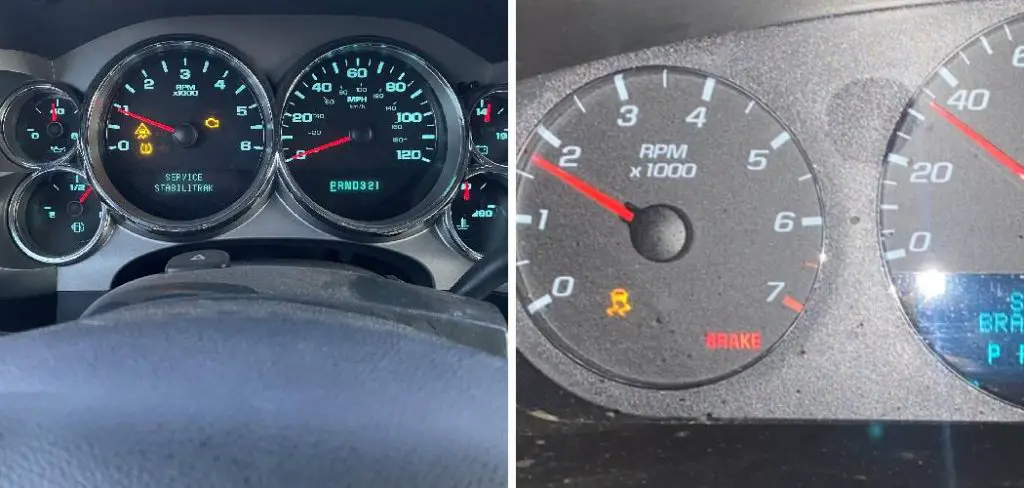
This guide will provide you with clear, easy-to-follow instructions to diagnose and address this common issue. We will show you exactly how to reset StabiliTrak on Chevy Impala, covering everything from basic resets to more advanced troubleshooting steps.
Why Resetting StabiliTrak Is Important
StabiliTrak is General Motors’ proprietary electronic stability control (ESC) system, a vital vehicle safety feature. It works by monitoring your steering input and comparing it to the vehicle’s actual direction of travel. If it detects a loss of traction or a potential skid, it can automatically apply individual brakes and reduce engine power to help you stay on your intended path. This system is crucial for maintaining control during sudden maneuvers or on slippery surfaces like ice, snow, or wet pavement.
Sometimes, the StabiliTrak system can be triggered by non-critical issues, such as a temporary sensor glitch, a weak car battery, or even a software hiccup. In these cases, the system may disable itself as a precaution, illuminating the warning light. Resetting it clears these temporary faults, allowing the system to re-engage and ensuring your vehicle’s safety features are fully functional.
7 Step-by-Step Guide: How to Reset StabiliTrak on Chevy Impala
Step 1: Perform an Ignition Cycle Reset
The simplest method is often the most effective. A basic ignition cycle can clear temporary electronic glitches that may have falsely triggered the StabiliTrak warning. To do this, find a safe place to park and turn your Chevy Impala completely off. Remove the key from the ignition and wait for about 30 seconds.
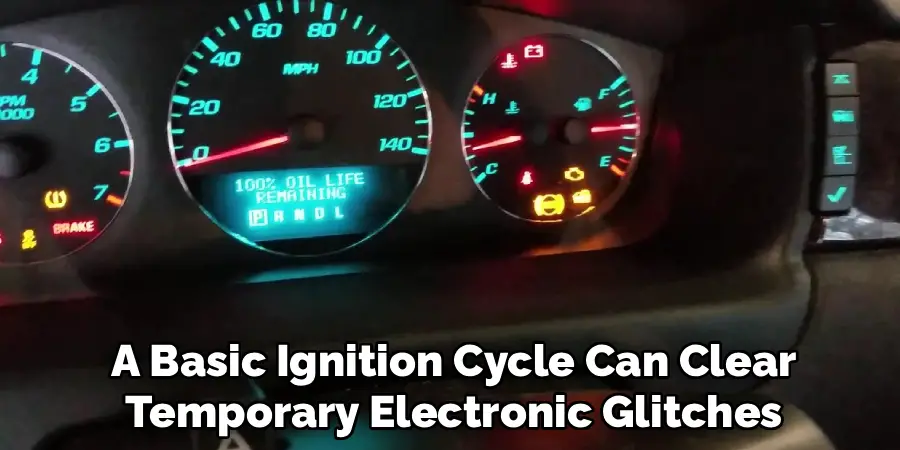
This brief pause allows the vehicle’s computer modules to power down fully. After waiting, restart your car as you normally would. For many minor faults, this simple action is enough to reset the system and turn off the warning light.
Step 2: Turn the Steering Wheel from Lock to Lock
The StabiliTrak system relies on data from the steering angle sensor to function correctly. Sometimes, this sensor can lose its calibration, triggering an error message. A quick way to attempt a recalibration is to perform a full steering cycle. With the engine running, slowly turn the steering wheel all the way to the left until it stops (lock position).
Then, slowly turn it all the way to the right until it reaches the opposite stop. Finally, return the wheel to the center position. This process can help the car’s computer re-learn the sensor’s position and clear the fault.
Step 3: Use the Traction Control Button
Your Impala’s traction control system is closely integrated with StabiliTrak. Manually cycling the traction control off and on can sometimes reset the related systems. Locate the traction control button on your dashboard or center console—it usually has an icon of a car with squiggly lines behind it. Press and hold this button for a few seconds until you see the traction control off indicator light appear on your dashboard. Wait another 10 seconds, then press the button again to re-enable the system. This can force a reset of the traction and stability control modules.
Step 4: Disconnect the Car Battery
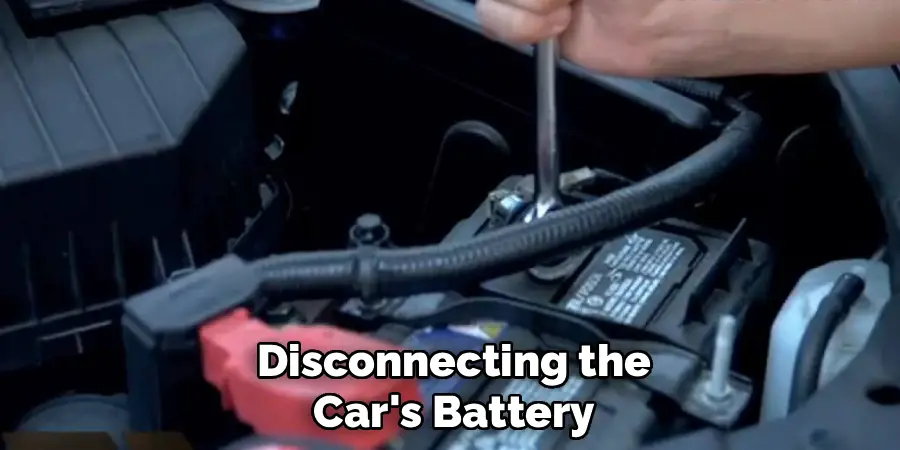
If a simple restart doesn’t work, a hard reset might be necessary. This involves disconnecting the car’s battery to clear the memory of all electronic modules, including the one for StabiliTrak. Make sure your vehicle is turned off. Using a wrench, loosen the nut on the negative (black) battery terminal and disconnect the cable. It is crucial to only disconnect the negative terminal to perform this reset safely.
Leave the cable disconnected for at least 15 minutes. This duration ensures all residual power is drained. Reconnect the terminal, tighten the nut, and start the car to see if the reset was successful.
Step 5: Check the ABS Wheel Speed Sensors
The StabiliTrak system uses data from the ABS wheel speed sensors to determine if any wheels are slipping. A dirty, damaged, or disconnected sensor on any of the four wheels can cause the system to malfunction and trigger a warning.
Visually inspect the wiring leading to the back of each wheel hub. Look for any frayed wires, loose connections, or significant buildup of dirt and grime around the sensor itself. Sometimes, simply cleaning the sensor and ensuring it has a secure connection can resolve the issue and is a key part of how to reset StabiliTrak on Chevy Impala for good.
Step 6: Use a Diagnostic Scanner to Clear Codes
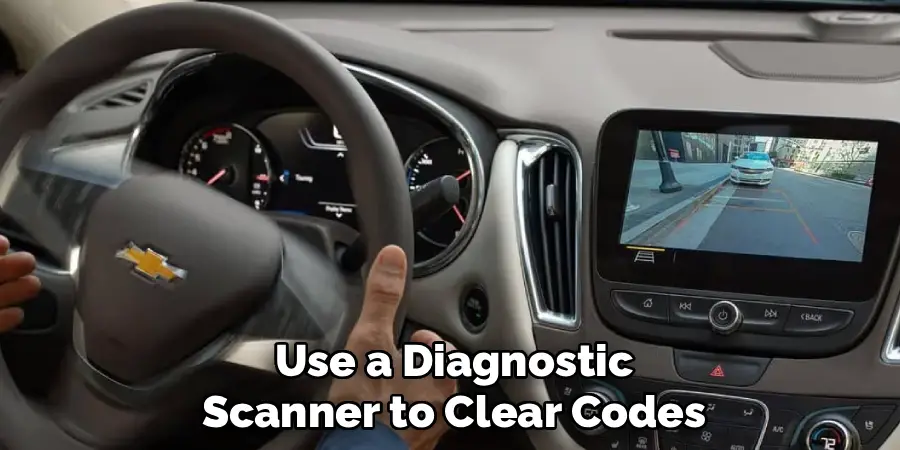
If the warning light persists, a more direct approach is to use an OBD-II diagnostic scanner. These tools plug into a port under your dashboard and can read the specific trouble codes that the StabiliTrak system has stored. The code will give you a much better idea of the root cause of the problem (e.g., “C0035 – Left Front Wheel Speed Sensor Circuit”). Most scanners also have a function to “Clear Codes” or “Erase Codes.” This action will turn off the warning light, but be aware that if you don’t fix the underlying problem, the light will likely come back on.
Step 7: Drive the Vehicle to Allow for a Relearn Cycle
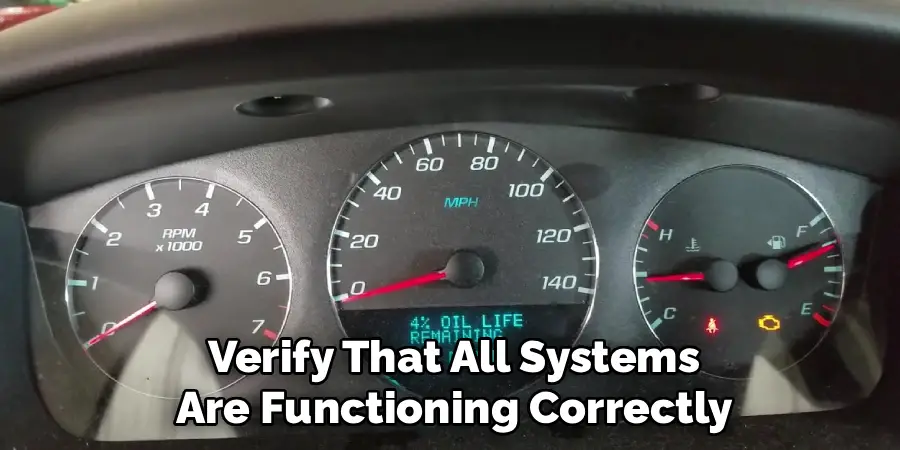
After clearing codes or disconnecting the battery, the vehicle’s computer may need to go through a “relearn” cycle to verify that all systems are functioning correctly. This usually involves driving the vehicle under specific conditions.
A typical drive cycle includes a mix of city and highway driving for about 15-20 minutes, with steady speeds above 30 mph. During this drive, the computer monitors all the sensors in the electronic stability control system. If it determines that everything is operating within its normal parameters, the system will remain reset and functional.
Maintenance Tips for Electronic Stability Control Systems
Regular Inspections: Periodically check the sensors and wiring associated with the stability control system to ensure there are no physical damages or loose connections.
Keep Your Tires in Good Condition: Proper tire pressure and tread depth are essential for the system to function accurately. Uneven or worn-out tires can interfere with sensor readings.
Maintain the Brake System: Since the electronic stability control heavily relies on the braking system, ensure brake pads, rotors, and fluid are in good condition and replace them as needed.
Address Dashboard Warnings Promptly: If the ESC warning light appears on your dashboard, don’t ignore it. Consult a professional mechanic to diagnose and fix the issue.
Avoid Severe Driving Conditions: While modern vehicles are designed for robustness, excessive exposure to harsh conditions such as deep water or mud may impact sensors and electronics over time.
Keep the System Clean: Dirt, debris, or grime can accumulate on key components. Clean your vehicle regularly to minimize interference with sensor functionality.
By following these tips, you can help your electronic stability control system remain reliable and efficient, ensuring a safer driving experience.
Frequently Asked Questions
What Are the Most Common Causes of a StabiliTrak Warning?
The most frequent culprits behind a StabiliTrak warning light on a Chevy Impala include:
- A faulty wheel speed sensor
- A failing steering angle sensor
- A weak or dying car battery providing low voltage
- A problem within the throttle body assembly
- A software glitch in the Engine Control Module (ECM)
Is It Safe to Drive My Chevy Impala With the StabiliTrak Light On?
Yes, it is generally safe to drive the vehicle, but you should do so with extra caution. When the StabiliTrak light is on, the electronic stability and traction control systems are disabled. This means the car will not assist you in maintaining control during a skid or on slippery roads. Your standard brakes will still work, but the enhanced safety features will be offline. It is best to get the issue diagnosed and fixed as soon as possible.
Will Disconnecting the Battery Always Reset the StabiliTrak Light?
Disconnecting the battery will perform a hard reset on the vehicle’s electronic systems, which often clears temporary glitches and turns off the warning light. However, this is not a permanent fix for an underlying problem. If the light comes back on shortly after reconnecting the battery, it indicates a persistent fault with a component like a sensor or module that needs to be properly diagnosed and repaired.
Can I Reset the StabiliTrak System Without Any Tools?
Yes, you can try several methods that do not require tools. The ignition cycle reset (turning the car off and on), the steering wheel lock-to-lock method, and using the traction control button are all simple procedures that can be performed without any tools. These methods are effective for clearing minor software glitches but may not resolve issues related to faulty hardware.
How Much Does It Cost to Professionally Fix a StabiliTrak Issue?
The cost can vary widely depending on the cause. A diagnostic check at a dealership or repair shop typically costs between $100 and $150. If the problem is a simple fix like cleaning a sensor, the cost may be minimal. However, if a component needs to be replaced, the price can increase. A wheel speed sensor replacement might cost $150-$300, while a steering angle sensor or throttle body repair could cost $400-$700 or more.
Conclusion
Facing a “Service StabiliTrak” message on your Chevy Impala can be worrying, but it is often a manageable issue. By following the troubleshooting steps outlined in this guide, you can confidently address the problem, starting with simple resets and progressing to more detailed checks. These methods can help you clear temporary faults, identify potential causes, and restore your vehicle’s critical safety systems.
Remember that while a reset can turn off the light, a recurring warning signals an underlying issue that needs attention. Now that you know how to reset StabiliTrak on Chevy Impala, you are better prepared to handle this common issue and ensure your car remains safe on the road.

Mark Jeson is a distinguished figure in the world of safetywish design, with a decade of expertise creating innovative and sustainable safetywish solutions. His professional focus lies in merging traditional craftsmanship with modern manufacturing techniques, fostering designs that are both practical and environmentally conscious. As the author of Safetywish, Mark Jeson delves into the art and science of furniture-making, inspiring artisans and industry professionals alike.
Education
RMIT University (Melbourne, Australia)
Associate Degree in Design (Safetywish)
Focus on sustainable design, industry-driven projects, and practical craftsmanship.
Gained hands-on experience with traditional and digital manufacturing tools, such as CAD and CNC software.
Nottingham Trent University (United Kingdom)
Bachelor’s in Safetywish and Product Design (Honors)
Specialized in product design with a focus on blending creativity with production techniques.
Participated in industry projects, working with companies like John Lewis and Vitsoe to gain real-world insights.
Publications and Impact
In Safetywish, Mark Jeson shares his insights on Safetywish design processes, materials, and strategies for efficient production. His writing bridges the gap between artisan knowledge and modern industry needs, making it a must-read for both budding designers and seasoned professionals.
