
A master key system is a highly effective solution for managing access to multiple locks within a facility or complex. It is particularly useful in environments such as offices, apartment buildings, hotels, and educational institutions, where different levels of access are required.

By using a hierarchy of keys, this system allows individual keys to open specific locks while a master key provides overarching access to all locks within the system. Creating a master key system requires careful planning, precision, and an understanding of keying patterns to ensure convenience without compromising security.
This guide on how to create a master key system will walk you through the essential steps to design and implement a functional and secure master key system tailored to your specific needs.
What Are the Benefits of a Master Key System?
A master key system offers several benefits, including convenience and security. Here are some advantages of implementing a master key system:
- Convenience: With a master key, you no longer need to carry multiple keys for different locks. This can be especially useful in larger buildings with multiple rooms or offices.
- Control and Access Management: A master key system allows you to control the access of each individual key holder. You can restrict access to specific areas while still providing them with entry to other designated areas.
- Cost-effective: Installing a master key system eliminates the need for constantly changing locks or rekeying when an employee leaves or loses their keys. This saves time and money compared to traditional lock systems.
- Security Audit: A master key system allows for a comprehensive security audit of your building. By tracking the movement of master keys, you can identify any potential security breaches and address them immediately.
What Will You Need?
To implement a master key system, you will need:
- Master Key System Plan: This is the blueprint for your system and should be created by a professional locksmith.
- Locks and Keys: Choose high-quality locks and keys that are compatible with your master key system plan.
- Key Management Software: If you have a large number of keys and locks, it may be helpful to invest in key management software to keep track of them all.
- Training and Education: Ensure that all employees who will have access to the master key system are properly trained on how to use it effectively. This includes understanding the hierarchy of keys and knowing who has access to what areas.
Once your master key system is in place, it’s important to regularly review and update it as needed.
10 Easy Steps on How to Create a Master Key System
Step 1. Assess Your Needs:
The first step in creating a master key system is to thoroughly assess your needs and the specific requirements of your facility or property. Consider the physical layout of the building, the number of entry points, and the different areas that need to be secured.

Identify which doors will require access control and determine which individuals or groups need access to specific areas. It’s essential to think about the hierarchy of keys and how they will be distributed to provide the appropriate balance between convenience and security.
Step 2. Plan the Hierarchy:
When planning the hierarchy, start by outlining the levels of access needed across the organization. Determine the most restricted areas and assign them to higher levels in the hierarchy, ensuring that only specific personnel or groups have access.
Create a tiered system where lower levels grant access to more generalized areas, while higher levels allow entry to restricted zones. Clearly define roles and responsibilities for each level to avoid confusion and ensure accountability.
Consider implementing a master key system or an electronic access control solution that supports varied access levels. This structured approach will help maintain security while allowing for efficient operations.
Step 3. Map Out Access Levels:
Begin by identifying all areas within your facility that require controlled access, such as offices, storage rooms, or high-security zones. Categorize these areas based on their sensitivity and the level of access needed. Next, determine the roles within your organization and assign access privileges according to job requirements.
For instance, general staff may only need access to shared spaces, while managers or specialized personnel may require entry to restricted areas. Use a diagram or flowchart to visually represent how access levels are distributed across roles and areas. This mapping process ensures clarity, minimizes overlap, and helps prevent unauthorized access.
Step 4. Select Lock Hardware:
Choosing the appropriate lock hardware is a critical step to ensure the security and functionality of your access control system. Consider the specific needs of your facility, including the level of security required, the type of doors being secured, and the volume of daily usage.
Options range from mechanical locks, such as deadbolts and padlocks, to advanced electronic locks like keyless entry systems and biometric readers. Additionally, evaluate compatibility with your existing infrastructure, such as door frames and networks, before making a decision.
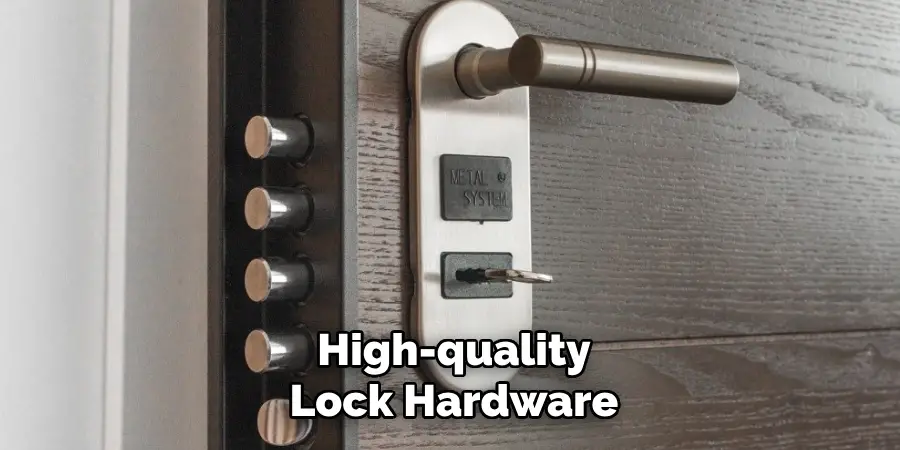
Reliable, high-quality lock hardware tailored to your organization’s requirements can significantly enhance overall security and operational efficiency.
Step 5. Design the Key System:
Designing the key system is a crucial step in creating a secure and efficient access control plan. Start by assessing the hierarchy of access within your organization to determine who requires access to specific areas. This involves creating a master key system, which includes levels such as master keys, sub-master keys, and individual keys.
Clearly defining these levels ensures that access is granted only to those who need it, reducing the risk of unauthorized entry. Additionally, choose durable and reliable key blanks and consider utilizing key control policies to track and manage the issuance and return of keys.
Step 6. Install the Locks:
Proper installation of the locks is a critical step to ensure the security and functionality of the system. Begin by selecting the appropriate locks based on the doors and their specific requirements, whether they are deadbolts, electronic keypad locks, or other types. Carefully follow the manufacturer’s instructions for installation to guarantee optimal performance.
Make sure to align the locks correctly and test them thoroughly to confirm they operate smoothly without any issues. Ensure all screws and components are securely attached, and double-check that the locking mechanisms engage properly. If you’re unsure about any part of the process, it may be advisable to consult a professional locksmith for assistance.
Step 7. Label and Document Keys:
Properly labeling and documenting your keys is essential for maintaining security and organization. Begin by assigning each key a unique label that corresponds to its specific lock or purpose. Use durable key tags or color-coded labels to make identification easier.

Additionally, create a written or digital record of all keys, noting their assigned labels and the locks they correspond to. This record should be stored securely, ensuring only authorized individuals have access. Regularly review and update the key documentation to reflect any changes, such as rekeying or issuing new keys.
Step 8. Distribute Keys Securely:
When distributing keys, ensure they are handed directly to the intended recipient to maintain security. Verify the identity of the recipient through proper identification methods, such as photo ID or employee credentials. Keep a record of each key issued, including the recipient’s name, the date, and the key’s label or purpose.
Provide clear instructions on the proper use and handling of the key, emphasizing the importance of safeguarding it. If possible, utilize a key signing log where recipients acknowledge receipt of the key, further reinforcing accountability.
Step 9. Implement Key Control Policies:
Establishing robust key control policies is essential for maintaining the security of your organization. Begin by defining clear guidelines for the distribution, use, and return of keys, ensuring that they align with your organization’s overall security strategy. Regularly review who has access to specific keys and assess whether their access is still necessary.
Implement procedures for lost or stolen keys, such as immediate reporting and rekeying locks if needed. Additionally, consider using advanced tracking systems, like electronic key management solutions, to monitor key usage in real time.
Step 10. Provide Training:
Training is a vital component of maintaining security and ensuring compliance with established protocols. Conduct regular training sessions to educate employees on key management policies, security procedures, and emergency protocols. Make sure the training includes practical demonstrations, clear examples of policy adherence, and the importance of reporting potential security risks.

Encourage open communication and provide opportunities for staff to ask questions and offer feedback. Periodic refresher sessions will help reinforce the training and keep employees updated on any changes to policies or procedures.
By carefully following these steps, you can create an effective and well-organized master key system that enhances security while maintaining convenience.
Conclusion
How to create a master key system requires careful planning, attention to detail, and ongoing maintenance to ensure optimal performance and security.
By assessing your needs, planning the hierarchy, keeping accurate records, and training employees effectively, you can develop a system tailored to your organization. Regular evaluations and updates to the system will help address any vulnerabilities and maintain its functionality over time.
A well-implemented master key system not only enhances security but also streamlines access control, providing convenience and peace of mind for all users.

Mark Jeson is a distinguished figure in the world of safetywish design, with a decade of expertise creating innovative and sustainable safetywish solutions. His professional focus lies in merging traditional craftsmanship with modern manufacturing techniques, fostering designs that are both practical and environmentally conscious. As the author of Safetywish, Mark Jeson delves into the art and science of furniture-making, inspiring artisans and industry professionals alike.
Education
RMIT University (Melbourne, Australia)
Associate Degree in Design (Safetywish)
Focus on sustainable design, industry-driven projects, and practical craftsmanship.
Gained hands-on experience with traditional and digital manufacturing tools, such as CAD and CNC software.
Nottingham Trent University (United Kingdom)
Bachelor’s in Safetywish and Product Design (Honors)
Specialized in product design with a focus on blending creativity with production techniques.
Participated in industry projects, working with companies like John Lewis and Vitsoe to gain real-world insights.
Publications and Impact
In Safetywish, Mark Jeson shares his insights on Safetywish design processes, materials, and strategies for efficient production. His writing bridges the gap between artisan knowledge and modern industry needs, making it a must-read for both budding designers and seasoned professionals.
