
Whether you’re locked out or simply need to manage a malfunctioning lock, learning how to disable a door knob lock is an essential home maintenance skill. It’s a task that many assume requires professional help, but with the right tools and some guidance, you can handle it yourself. Not only does this approach save money, but it also provides the satisfaction of resolving a household issue independently.
This guide will walk you through a straightforward, step-by-step process to disable a door knob lock. With some preparation and the methods outlined below, you’ll have the confidence to take on this task efficiently and safely.
Now, let’s explore why mastering this skill is valuable before jumping into the detailed steps.
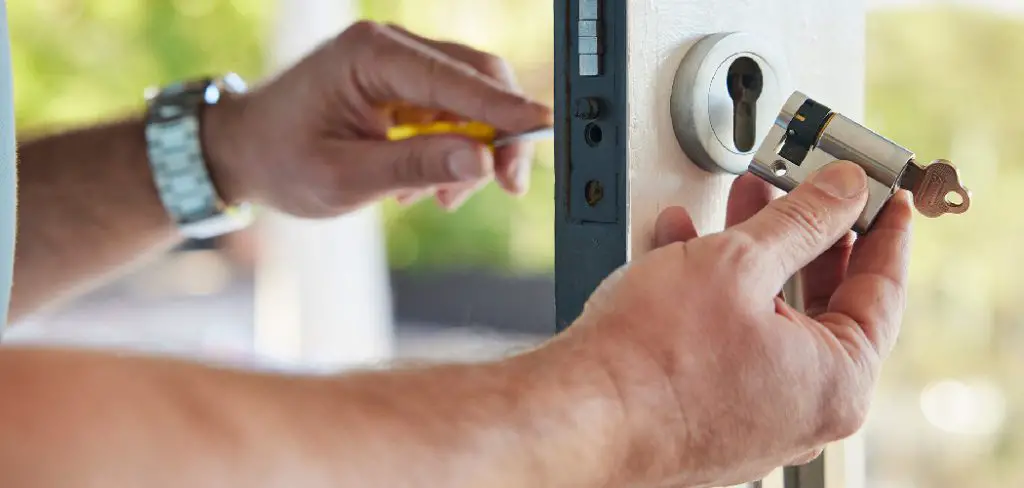
Why Understanding How to Disable a Door Knob Lock is Important
Door knob locks may seem simple, but there are times when disabling one becomes crucial. For instance, you might encounter situations where a lock malfunctions, trapping individuals inside or preventing access to a room. Additionally, some people prefer to disable locks in specific areas of their home for easier room access or child safety.
Learning this skill can also add to your DIY repertoire, reducing your dependence on locksmiths for straightforward issues. It’s an empowering process that not only saves money but ensures you’re prepared for unexpected lock-related scenarios.
Now, let’s get into the heart of the matter with a clear, step-by-step guide.
Recommended Tools for Unlocking a Door
Before attempting to unlock a door, it’s important to have the right tools on hand. Here are some commonly used items that can greatly assist with the process:
- Flathead Screwdriver – A versatile tool that can be used to manipulate locks or remove doorknobs, depending on the situation.
- Bobby Pins or Hairpins – Ideal for basic lock picking, bobby pins are a staple for minor DIY lock emergencies.
- Paperclip – A simple and effective tool that can be straightened and used in place of more specialized lock-picking tools.
- Card (e.g., old credit card) – A rigid card can work wonders for spring locks by helping to wedge the latch open. Be sure to use a card you don’t mind damaging.
- Allen Wrenches – These can be used to create tension in certain types of locks or as part of improvised lock-picking sets.
- Lock-Picking Kit – For more advanced solutions, a professional lock-picking set can be invaluable. These kits typically include tension wrenches and various picks for different lock types.
- Needle-Nose Pliers – Particularly useful for bending or adjusting improvised tools like paperclips or bobby pins.
- Lubricant (e.g., WD-40) – To ease difficult locks, a spritz of lubricant can make a world of difference.
Having these tools accessible can make unlocking tasks significantly more manageable while ensuring the process remains as damage-free as possible. Always use them responsibly and within legal boundaries.
Step-by-Step Guide on How to Disable a Door Knob Lock
Disabling a door knob lock isn’t as complicated as it might seem. Below, we outline the exact steps you need to follow. From preparing your tools to removing internal components, these instructions will help you safely and effectively disable the lock.
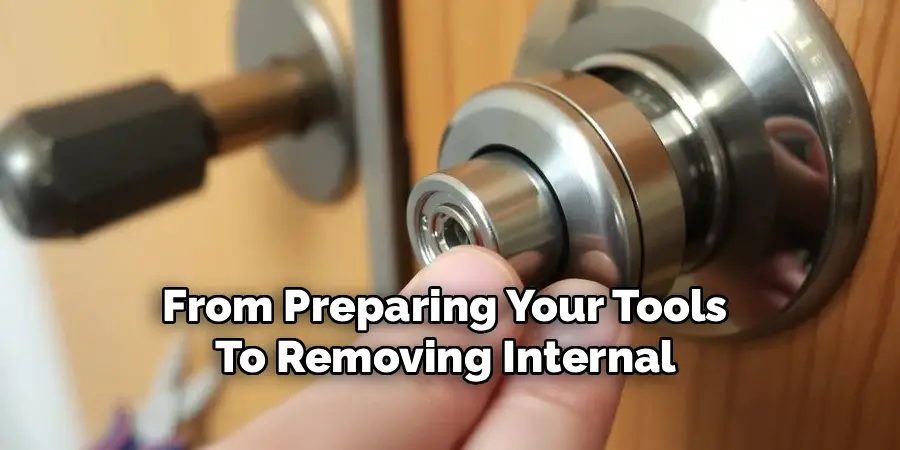
Step 1: Gather the Necessary Tools
Before you begin, make sure you have the right tools. Typically, you’ll need a screwdriver (flathead or Phillips, depending on the screws), a paperclip or thin wire, and potentially some pliers. Having all your tools ready prevents interruptions and ensures a smoother process.
Step 2: Locate and Remove the Screws
Examine your door knob for visible screws. They are usually found on the inner side of the door. Insert your screwdriver and carefully begin unscrewing. If there are no visible screws, the door knob might have a hidden locking mechanism, which you’ll address in the next step.
Step 3: Use the Release Mechanism
Some modern door knobs have a small hole or slot on the side. Insert a straightened paperclip or a specialized release tool into this hole. Push firmly but gently, and the knob should pop off, revealing the internal mechanisms.
This step is a crucial moment where you can naturally integrate your knowledge of door knob structures. Practice caution to avoid damaging fragile internal components.
Step 4: Remove the Outer Door Knob
Once the outer part of the knob is detached, gently pull it away from the door. This process exposes the spindle, which is the metal rod connecting the inner and outer knob. Removing the knob fully ensures unrestricted access to these internal mechanisms.
Step 5: Detach the Spindle
The spindle is critical to the operation of the lock. With the lock’s outer components set aside, remove the spindle by twisting it in the direction that loosens its hold on the latch. If it feels stuck, apply gentle pressure to avoid breakage.
Naturally, the keyword “how to disable a door knob lock” fits here as you focus on dismantling these essential parts.
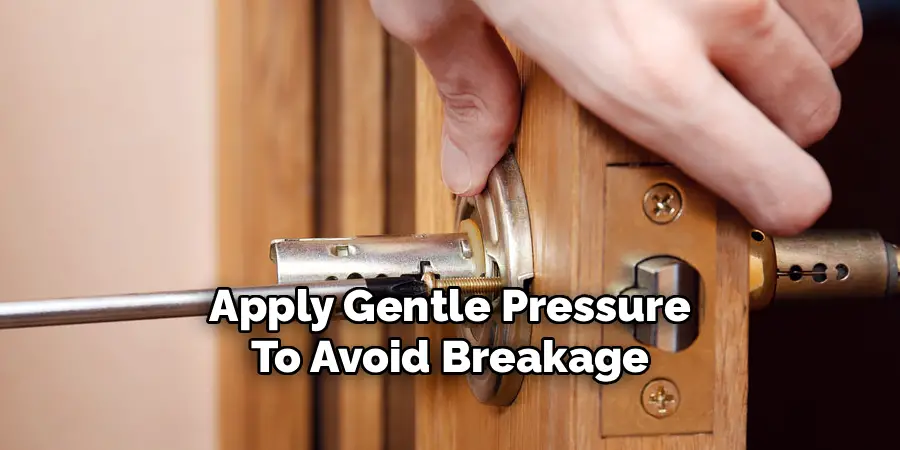
Step 6: Remove the Latch Assembly
The latch assembly is the final piece in the mechanism. Locate the screws on the door’s edge, typically surrounding the latch. Using your screwdriver, loosen these screws and slide the latch out from the door frame. Removing the latch completely disables the locking mechanism.
Step 7: Test the Door
With all the lock components removed, test the door to ensure it opens and closes smoothly. Make sure there are no residual parts obstructing its movement. This step confirms the door knob lock is successfully disabled without compromising functionality.
Step 8: Reassemble the Knob (Optional)
If you want to retain the aesthetic of a complete door knob, you can reattach the outer knobs without the locking mechanism. Slide the decorative parts back into place and secure them with screws, ensuring the door remains accessible but visually intact.
Step 9: Double-Check for Safety
Finally, inspect the entire mechanism to ensure that no sharp or loose parts remain. This step is especially crucial in homes with children or pets, as undone screws or metal parts can pose a hazard.
Congratulations! You’ve just mastered how to disable a door knob lock.
Troubleshooting Common Issues
If you encounter any difficulties while disabling your door knob lock, here are some common problems and solutions to guide you through the process:
- Stuck Screws: If the screws are difficult to remove, try using a screwdriver with a better grip or apply penetrating oil to loosen them. Be careful not to strip the screw heads.
- Difficulty Removing the Lock Mechanism: Ensure all screws have been fully removed before attempting to pull the mechanism out. Gently wiggle the mechanism to loosen it if it feels stuck.
- Misaligned Parts: If the outer knobs don’t reattach properly, check the alignment of the spindle and ensure the decorative parts are fitted correctly. Adjust and retry if needed.
- Missing or Damaged Screws: If any screws are lost or damaged during the process, you can find replacements at your local hardware store. Bring one of the original screws for comparison to match the size and threading.
- Loose Knobs After Reassembly: If the knobs are wobbly, double-check that all screws are tightly secured. Over-tightening screws can also damage the fitting, so aim for a balanced approach.
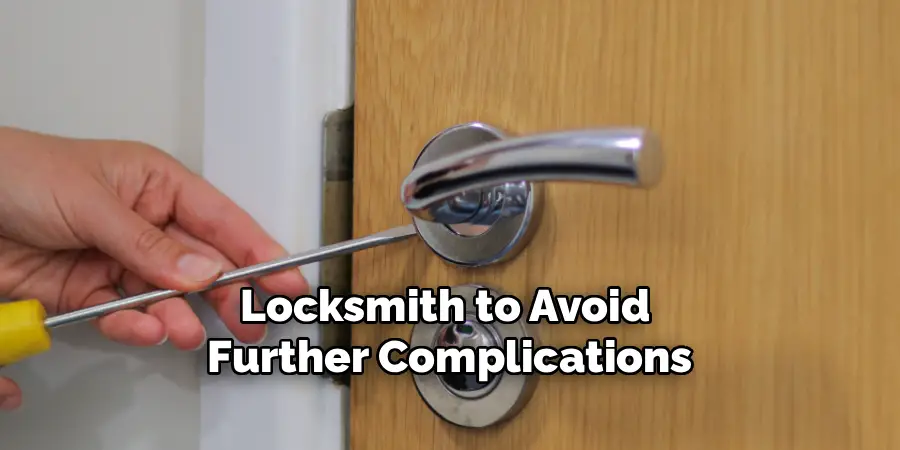
If problems persist despite troubleshooting, consider consulting a professional locksmith to avoid further complications.
Frequently Asked Questions Section
1. Can I disable a door knob lock without removing it entirely?
Yes, in some cases, you can disable a door knob lock without full removal by simply unscrewing or disengaging specific parts like the spindle or latch. However, this will depend on the lock’s design. Some locks may require full dismantling before they can be disabled.
2. What tools are needed to disable a door knob lock?
The most common tools include a flathead or Phillips screwdriver, a paperclip, and potentially pliers. For some advanced locking mechanisms, you might need specialized tools like a release tool or hex key. Having the right tools ensures you can manage the process safely and efficiently.
3. Is it safe to disable a door knob lock permanently?
Yes, disabling a door knob lock is safe as long as the altered mechanism doesn’t interfere with the door’s structural integrity. Ensure there are no sharp edges or unsecured parts after disabling the lock, particularly in homes with children or high traffic.
4. Can I reinstall the lock after disabling it?
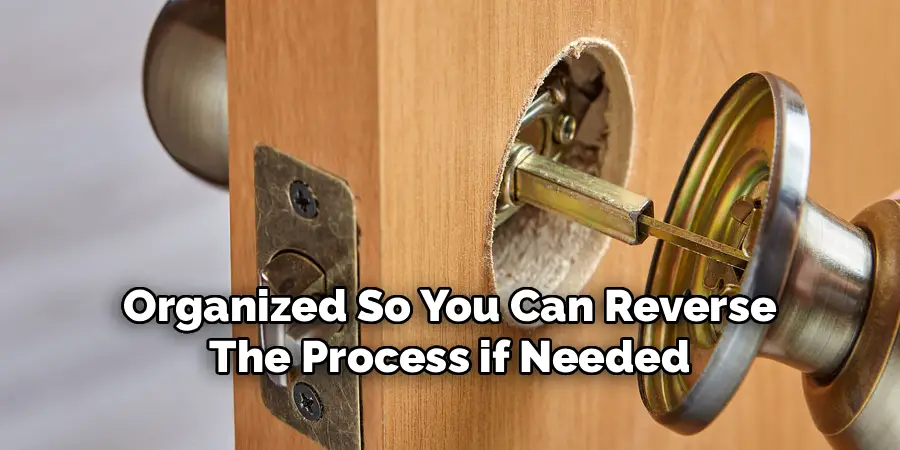
Yes, most locks can be reassembled and reinstalled after being disabled, provided you haven’t damaged or lost any critical components. Keep all screws and parts organized so you can reverse the process if needed.
5. Are disabled locks still functional as regular door knobs?
Yes, after disabling the locking mechanism, the door knob can function as a regular handle. You simply won’t be able to lock it anymore. This is useful for rooms where privacy locks are unnecessary or where a lock mechanism is prone to jamming.
Conclusion
Disabling a door knob lock is a valuable skill that empowers homeowners to tackle common lock issues without professional assistance. By following the simple steps outlined above and using the right tools, you can ensure a safe and effective result.
Whether you’re managing a broken lock, ensuring child safety, or customizing your home, learning how to disable a door knob lock provides peace of mind and practical know-how. Now, it’s time to put your new skills into action. Start your project today and experience the satisfaction of DIY success!

Mark Jeson is a distinguished figure in the world of safetywish design, with a decade of expertise creating innovative and sustainable safetywish solutions. His professional focus lies in merging traditional craftsmanship with modern manufacturing techniques, fostering designs that are both practical and environmentally conscious. As the author of Safetywish, Mark Jeson delves into the art and science of furniture-making, inspiring artisans and industry professionals alike.
Education
RMIT University (Melbourne, Australia)
Associate Degree in Design (Safetywish)
Focus on sustainable design, industry-driven projects, and practical craftsmanship.
Gained hands-on experience with traditional and digital manufacturing tools, such as CAD and CNC software.
Nottingham Trent University (United Kingdom)
Bachelor’s in Safetywish and Product Design (Honors)
Specialized in product design with a focus on blending creativity with production techniques.
Participated in industry projects, working with companies like John Lewis and Vitsoe to gain real-world insights.
Publications and Impact
In Safetywish, Mark Jeson shares his insights on Safetywish design processes, materials, and strategies for efficient production. His writing bridges the gap between artisan knowledge and modern industry needs, making it a must-read for both budding designers and seasoned professionals.
