
A Subaru key fob is a convenient tool, offering keyless entry and push-button start that make daily driving seamless. However, there are times when you might want to temporarily deactivate it. Perhaps you’re going on a long trip and want to conserve the fob’s battery, or you need to store a spare key inside the vehicle securely without it being detected.
Whatever your reason, knowing how to manage your fob’s functions is a useful skill for any Subaru owner. This guide provides clear, beginner-friendly instructions on how to disable subaru key fob features, putting you in complete control of your vehicle’s access system.
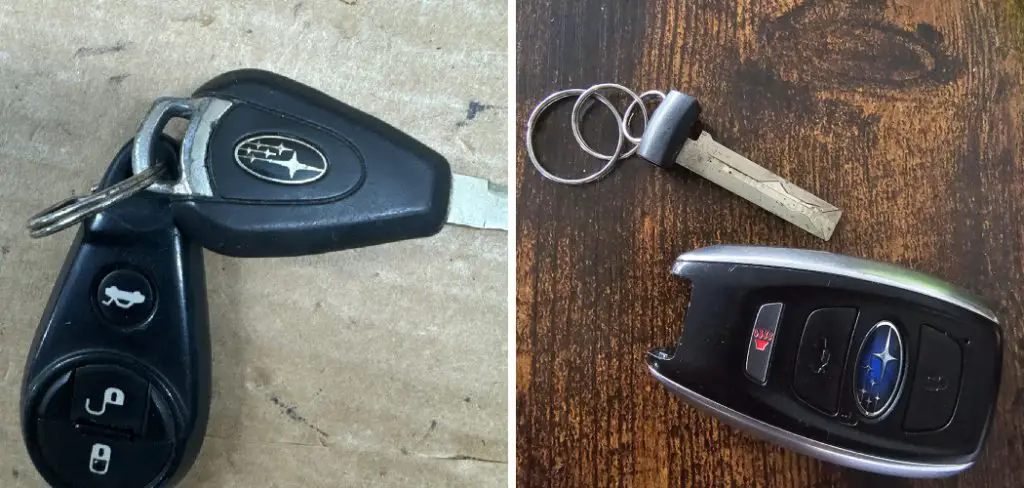
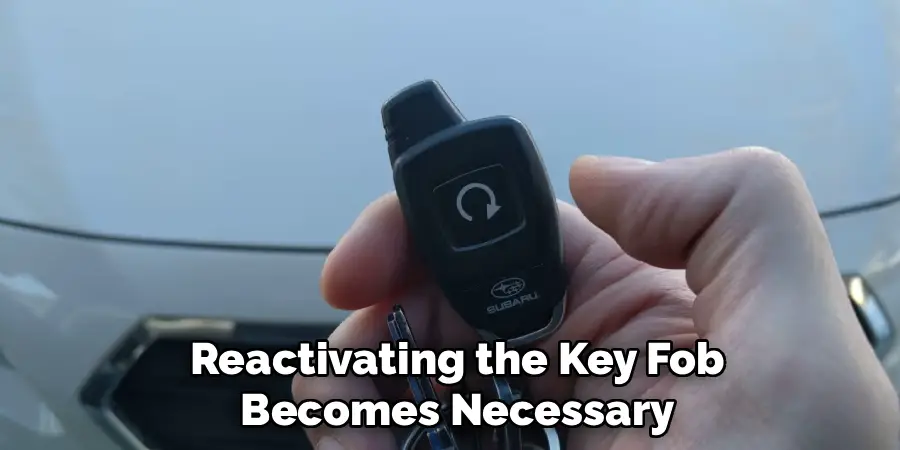
Keyless entry systems, like the Subaru key fob, offer incredible convenience, allowing you to lock, unlock, and start your car with ease. However, there are situations where disabling certain features of the key fob becomes necessary. Whether it’s for added security, battery preservation, or specific storage needs, understanding how to temporarily deactivate the fob’s functions ensures you can adapt its use to your unique circumstances.
Tools and Materials
To disable specific functions of your Subaru key fob, you will typically need the following tools and materials:
- Your Subaru Key Fob – Ensure you have the key fob you wish to adjust.
- Car Owner’s Manual – Refer to your vehicle’s manual for specific instructions related to your model.
- Small Screwdriver – If battery access or internal adjustments are required, a precision or small flathead screwdriver may be needed.
- New Batteries (Optional) – If the purpose involves replacing or preserving battery life, ensure you have compatible battery replacements on hand.
- Protective Gloves – Optional but useful for handling the key fob with care and avoiding smudges or static damage.
Having these tools ready will streamline the process and ensure that you can make the adjustments without unnecessary interruptions.
Step-by-Step Guide on How to Disable a Subaru Key Fob
Step 1: Remove or Disconnect the Fob Battery
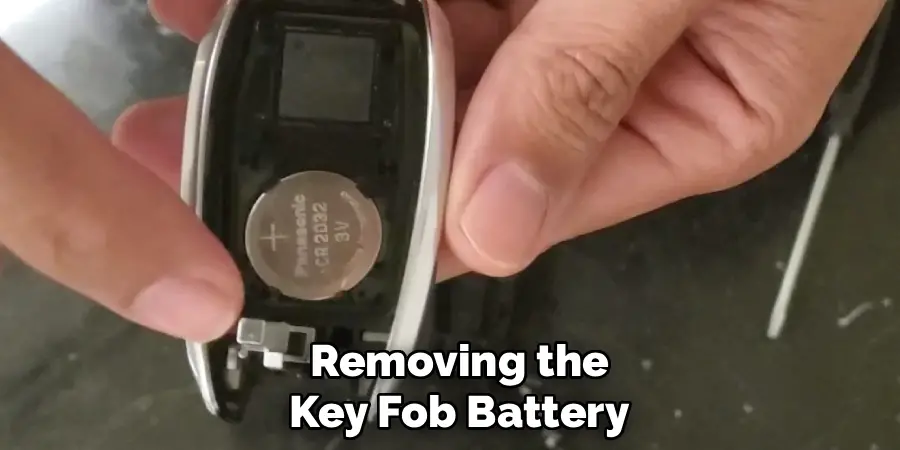
To remove or disconnect the fob battery, begin by identifying the battery compartment, typically located on the back of the key fob. Use a small flathead screwdriver to gently pry apart the key fob casing, taking care not to damage any components. Once the casing is open, locate the battery, which is usually a small round coin-cell type. Carefully remove the battery using your fingers or a non-metallic tool to avoid causing a short circuit. If you plan to reconnect the battery later, keep it in a safe place. Reassemble the fob if desired after finishing this step.
Step 2: Place the Fob in a Faraday Pouch
A Faraday pouch is designed to block electromagnetic signals, providing an extra layer of security for your key fob. After removing the key fob battery, place the fob inside the Faraday pouch to prevent it from emitting or receiving any signals. This protects against potential hacking attempts, such as relay attacks, where thieves amplify your key fob’s signal to access your vehicle. Ensure that the pouch is properly sealed to maximize its effectiveness. Faraday pouches are made with materials that block radio frequencies, making them an essential tool for maintaining the security of your car in today’s digital era.
Step 3: Unpair (Forget) the Fob via the Vehicle Settings
Unpairing or forgetting the fob through the vehicle settings is a crucial step to protect your car’s security, especially if a fob is lost or stolen. To do this, access the vehicle’s onboard menu system, typically found on the dashboard or infotainment screen, and navigate to the key or security settings. Within this menu, select the option to manage or delete paired devices, then choose the specific fob you wish to unpair. Follow the system prompts to confirm the action. This process ensures the fob is disconnected from your vehicle, preventing unauthorized access and enhancing your overall security.
Step 4: Confirm the Key Fob Is Disabled
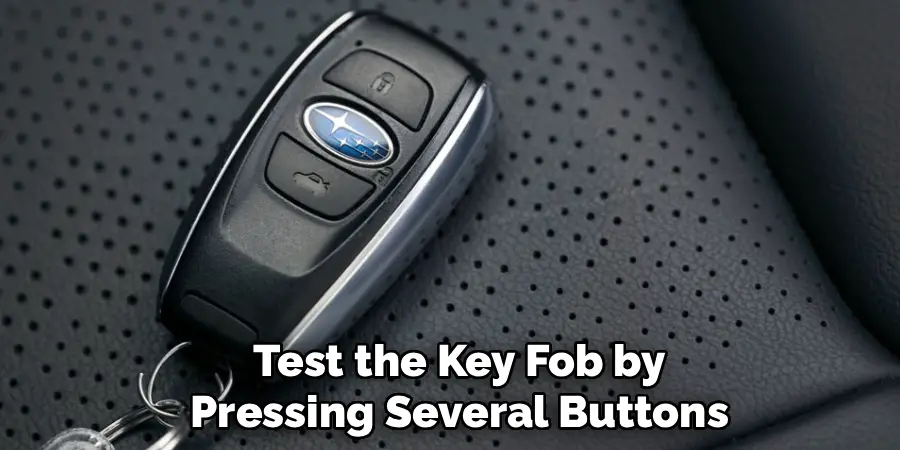
Once you’ve performed the button sequence and seen the indicator light flash, you should test it to be sure it worked. With the sleeping key fob in your pocket or hand, walk up to your vehicle and try to open the door using the keyless entry handle sensor. The door should not unlock. You can also try using the push-button start inside the vehicle; it should not respond to the fob. This confirms that the fob is disabled and is no longer communicating with your car, which is exactly the goal of this process.
Step 5: Disable Remote Functions
Disabling the remote functions of your key fob is an essential step in ensuring maximum security when the fob is not in use. Remote functions, such as unlocking or remotely starting your vehicle, are convenient but can also be exploited by hackers using relay attacks.
To disable these functions, consult your vehicle’s user manual for specific instructions, as the process can vary between manufacturers. Typically, this involves switching the fob to a low-power or sleep mode, or manually turning off the remote features. By taking this precaution, you reduce the possibility of unauthorized access to your vehicle and protect your belongings.
Step 6: Use Valet Mode
Valet mode is a feature designed to protect your vehicle’s sensitive information and limit access when handing over your car to a valet or other individual. Activating valet mode restricts access to certain systems, such as the infotainment system, navigation history, and glove box. It also often limits the vehicle’s speed and prevents access to personal settings, ensuring both your safety and privacy. To enable valet mode, refer to your vehicle’s user manual, as the steps can vary by manufacturer. Using this feature provides peace of mind when entrusting your vehicle to someone else, safeguarding your personal data and belongings.
Step 7: Reinstall the Battery If You Removed It
If you chose to disable your fob by removing the battery, the process to re-enable it is just as simple. Carefully place the coin-cell battery back into its designated spot inside the key fob, making sure the positive (+) side is facing the correct direction as indicated inside the casing. Once the battery is in place, snap the two halves of the key fob casing back together firmly until you hear a click. The key fob will be immediately active and ready to use without any need for reprogramming.
Frequently Asked Questions
Why Would I Want to Disable My Subaru Key Fob?
There are several common reasons to disable your key fob:
- To Save Battery: Putting the fob in “Sleep Mode” stops it from constantly transmitting, which can significantly extend the life of its internal battery.
- For Secure Storage: If you need to store a spare key inside your car, disabling it ensures the vehicle cannot be started with that key.
- To Prevent Relay Attacks: Disabling the fob stops its signal, which can help protect against high-tech theft methods where criminals try to capture and amplify your key’s signal.
Does Disabling the Key Fob Require Reprogramming?
No, putting your key fob into “Sleep Mode” is a temporary deactivation and does not de-program the key. The fob retains its unique code and remains paired with your vehicle’s computer. You can easily “wake up” the fob by pressing any button, and it will work immediately without any need to visit a dealer for reprogramming.
Will Removing the Battery from My Key Fob Erase Its Memory?
No, removing the battery will not erase the key fob’s programming. The unique code that pairs the key to your car is stored in non-volatile memory, meaning it does not require constant power to be retained. When you reinstall the battery, the fob will remember its code and function normally without any extra steps.
What Do I Do if the Button Combination Doesn’t Work for My Model?
While the “Lock + Trunk x2” method is common, some older or different Subaru models may have a slightly different procedure. If this combination does not work, the best course of action is to consult your vehicle’s owner’s manual. The manual will have a specific section on the keyless access system with the exact procedure for your model year.
Can a Dealership Disable a Key Fob for Me?
A dealership can certainly disable or de-program a key fob, but this is usually a more permanent solution reserved for when a key is lost or stolen. For the temporary “Sleep Mode” function, this is a feature designed for you, the owner, to use as needed. It’s much quicker and easier to do it yourself following the steps in your owner’s manual than it is to schedule a dealership visit.
Conclusion
Understanding the features of your Subaru key fob goes beyond just locking and unlocking doors. Knowing how to place it in sleep mode is a practical skill that enhances security and helps you manage its battery life effectively. Whether you are using the simple button-press sequence or temporarily removing the battery, the process is straightforward and completely reversible.
With this knowledge, you can confidently take control of your key’s functions as needed. Now that you have a clear understanding of how to disable subaru key fob, you can enjoy an extra layer of security and convenience with your vehicle.

Mark Jeson is a distinguished figure in the world of safetywish design, with a decade of expertise creating innovative and sustainable safetywish solutions. His professional focus lies in merging traditional craftsmanship with modern manufacturing techniques, fostering designs that are both practical and environmentally conscious. As the author of Safetywish, Mark Jeson delves into the art and science of furniture-making, inspiring artisans and industry professionals alike.
Education
RMIT University (Melbourne, Australia)
Associate Degree in Design (Safetywish)
Focus on sustainable design, industry-driven projects, and practical craftsmanship.
Gained hands-on experience with traditional and digital manufacturing tools, such as CAD and CNC software.
Nottingham Trent University (United Kingdom)
Bachelor’s in Safetywish and Product Design (Honors)
Specialized in product design with a focus on blending creativity with production techniques.
Participated in industry projects, working with companies like John Lewis and Vitsoe to gain real-world insights.
Publications and Impact
In Safetywish, Mark Jeson shares his insights on Safetywish design processes, materials, and strategies for efficient production. His writing bridges the gap between artisan knowledge and modern industry needs, making it a must-read for both budding designers and seasoned professionals.
