
The feeling of seeing an empty parking spot where your car should be is a heart-stopping moment. While reporting a vehicle theft to the police is the first critical step, technology has given car owners a powerful tool to aid in the recovery process. GPS tracking systems have revolutionized vehicle security, turning a potentially hopeless situation into a solvable problem. These systems provide real-time location data, giving you and law enforcement a direct path to your vehicle. This guide is designed to walk you through the necessary steps, showing you exactly how to find a stolen car with GPS safely and effectively, and increasing the chances of a swift recovery.
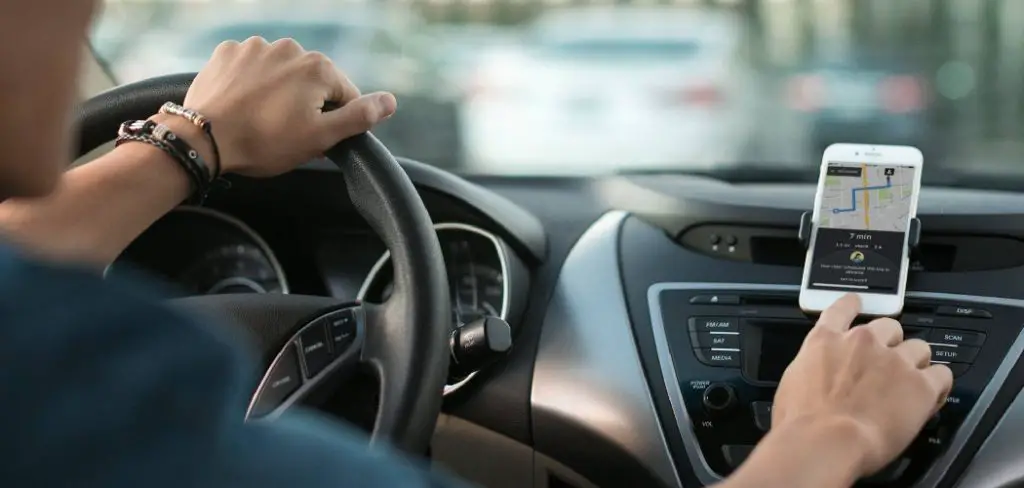
The first step in locating your stolen car with a GPS tracking system is to access your tracking platform. Most GPS systems are linked to a mobile app or a web interface where you can log in using your credentials. Once logged in, you’ll typically see a map displaying the real-time location of your vehicle. It’s important to remain calm during this process and verify the accuracy of the location data. Contact law enforcement immediately with the information and avoid attempting to retrieve the vehicle yourself, as safety should always be the top priority.
Understanding GPS Tracking for Vehicles
GPS (Global Positioning System) tracking for vehicles works by using a small device installed in the car that communicates with a network of satellites orbiting the Earth. This device receives signals from the satellites to calculate its precise location, speed, and direction of travel. It then transmits this data over a cellular network to a secure server. As the owner, you can access this information in real-time through a smartphone app or a web-based portal. This technology is used for more than just theft recovery; it’s also used by businesses to manage fleets, by parents to monitor teen drivers, and for personal security features like geofencing, which alerts you if your car moves outside a designated area.

8 Methods for How to Find a Stolen Car with GPS
Method 1: Use Your Vehicle’s Built-in GPS System
Many modern cars come equipped with a factory-installed telematics system, such as GM’s OnStar, Toyota’s Safety Connect, or Hyundai’s Blue Link. These services are specifically designed for emergencies, including vehicle theft. As soon as you report the car stolen to the police, contact the service provider. They can activate the vehicle’s GPS and provide its location directly to law enforcement. In many cases, these services can also remotely slow down the vehicle or prevent it from being restarted once it’s turned off, making the recovery process safer for police officers.
Method 2: Use an Aftermarket GPS Tracker
If your vehicle doesn’t have a built-in system, you may have an aftermarket GPS tracker installed. These devices, from brands like Bouncie, Vyncs, or SpyTec, are often plugged into the car’s OBD-II port or hidden elsewhere in the vehicle. Immediately log into the tracker’s mobile app or website. You will be able to see your car’s location on a map in real-time. These apps often provide a wealth of information, including the vehicle’s current speed, recent travel history, and stop locations, all of which are invaluable pieces of information to relay to the police. This is a primary method for how to find a stolen car with GPS.
Method 3: Contact the GPS Service Provider
Whether your system is built-in or aftermarket, contacting the service provider’s customer support line is a crucial step. Inform them that your vehicle has been stolen. They can verify that the tracker is active and transmitting a signal. In some instances, their support team may have access to more detailed diagnostic tools or a direct line of communication with law enforcement dispatch centers. They can help ensure the data being sent to the police is as accurate and up-to-date as possible, acting as a valuable liaison in the recovery effort.

Method 4: Use a Mobile App to Track the Car
The mobile app associated with your GPS tracker is your command center for locating the vehicle. Open the app and navigate to the live map feature. You will be able to watch your vehicle’s icon move across the map. Many apps allow you to switch between map views, such as satellite and street view, which can help you provide police with more detailed descriptions of the car’s surroundings (e.g., “It appears to be parked behind a large warehouse on Smith Street”). Keep the app open and monitor the location continuously until police arrive.
Method 5: Enable Geofencing Alerts
Geofencing is a proactive security feature offered by most GPS tracking systems. It allows you to draw a virtual boundary on a map around a specific area, such as your home or workplace. If your car ever enters or, more importantly, leaves this designated zone without authorization, the system will instantly send an alert to your phone. If you have this feature set up, you will be notified of the theft the moment it happens, which is a critical advantage. This immediate notification allows you to report the theft and start tracking the vehicle much faster.
Method 6: Report the Location to the Police
This is the most important action you will take. Once you have a confirmed location for your vehicle, do not hesitate to call the police and provide them with the information. Give them the GPS coordinates or the street address displayed in your app. Continuously update them on the vehicle’s movement if it is still in transit. Law enforcement has the legal authority and the proper training to approach the vehicle and handle the situation safely. Your role is to be the information provider; their role is to be the recovery team. This step is the core of how to find a stolen car with GPS responsibly.
Method 7: Use a Car Tracking Subscription Service
Specialized stolen vehicle recovery services, like LoJack, operate slightly differently. These systems often use a dedicated radio frequency (RF) signal in addition to GPS, which can be harder for thieves to block and can work even if the car is hidden in a garage or container. If you have a subscription to such a service, your first call after the police should be to the service’s recovery center. They will activate the tracker and work directly with their law enforcement partners, using specialized tracking equipment to home in on the vehicle’s exact location.
Method 8: Monitor Vehicle Movement in Real-Time
As you provide information to the police, pay close attention to the real-time data from your tracker. Is the car still moving, or is it stationary? If it’s moving, what is its speed and direction of travel? If it stops, how long has it been there? This level of detail helps police plan their approach. For example, knowing the car has been parked in the same spot for 20 minutes is very different from knowing it’s currently traveling at high speed on the freeway. Accurate, live updates from you can significantly increase the chances of a safe and successful recovery.

Frequently Asked Questions
Can I Find My Stolen Car if I Don’t Have a GPS Tracker?
Unfortunately, without a pre-installed GPS tracking device (either factory-installed or aftermarket), you cannot use GPS to find your stolen car. Your only course of action is to file a police report and hope for a traditional recovery. This highlights the importance of investing in a GPS tracker as a proactive security measure before a theft occurs.
How Accurate Is GPS Tracking for a Stolen Vehicle?
Modern GPS tracking systems are remarkably accurate, often able to pinpoint a vehicle’s location to within 5 to 10 feet. However, accuracy can be affected by certain factors. A weak signal caused by the car being in an underground parking garage, a dense urban canyon with tall buildings, or the use of illegal GPS jamming devices by sophisticated thieves can temporarily interfere with the signal.
Will GPS Tracking Work if the Thief Disables the Device?
This is a real risk. If a thief finds and removes the GPS tracker, it will stop transmitting. For this reason, many trackers are designed to be small and are professionally installed in hidden, hard-to-reach locations within the vehicle. Some devices also have a small internal backup battery, so they can send a final location signal even after being disconnected from the car’s main power source.
Do I Need to Pay a Subscription Fee to Track My Stolen Car?
This depends on the system. Most GPS tracking services, whether built-in like OnStar or aftermarket like Bouncie, require a monthly or annual subscription fee to cover the cellular data transmission and platform access. While some devices are sold with no subscription, they are less common. The small subscription fee is often well worth the peace of mind and recovery capability.
How Quickly Can My Stolen Vehicle Be Recovered with GPS?
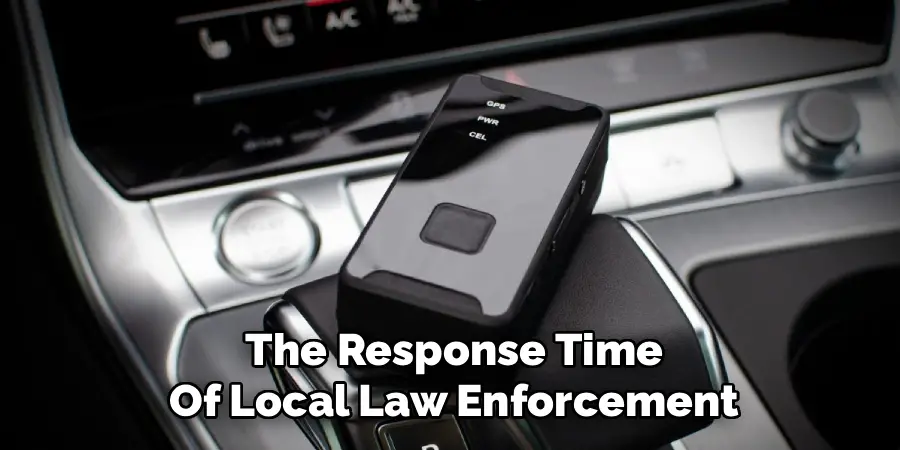
The speed of recovery can vary greatly, but having GPS tracking dramatically improves the odds of a quick resolution. If the vehicle’s location is reported to the police promptly, recovery can happen in a matter of hours. The success rate depends on how quickly the theft is discovered, the accuracy of the GPS data provided, and the response time of local law enforcement.
Conclusion
A GPS tracker is one of the most effective tools you can have in the fight against vehicle theft. It transforms the recovery process from a game of chance into a targeted search, providing a direct line to your stolen asset. By understanding how to use your specific tracking system, acting quickly, and working in close partnership with law enforcement, you can maximize your chances of a safe and speedy recovery. Remember, your safety is paramount, so never attempt to recover the vehicle yourself. By knowing how to find a stolen car with GPS, you are empowering yourself with the best technology available to protect your investment.

Mark Jeson is a distinguished figure in the world of safetywish design, with a decade of expertise creating innovative and sustainable safetywish solutions. His professional focus lies in merging traditional craftsmanship with modern manufacturing techniques, fostering designs that are both practical and environmentally conscious. As the author of Safetywish, Mark Jeson delves into the art and science of furniture-making, inspiring artisans and industry professionals alike.
Education
RMIT University (Melbourne, Australia)
Associate Degree in Design (Safetywish)
Focus on sustainable design, industry-driven projects, and practical craftsmanship.
Gained hands-on experience with traditional and digital manufacturing tools, such as CAD and CNC software.
Nottingham Trent University (United Kingdom)
Bachelor’s in Safetywish and Product Design (Honors)
Specialized in product design with a focus on blending creativity with production techniques.
Participated in industry projects, working with companies like John Lewis and Vitsoe to gain real-world insights.
Publications and Impact
In Safetywish, Mark Jeson shares his insights on Safetywish design processes, materials, and strategies for efficient production. His writing bridges the gap between artisan knowledge and modern industry needs, making it a must-read for both budding designers and seasoned professionals.
