
Testing a taser is a crucial step to ensure its functionality and reliability. Whether you are a law enforcement professional, security personnel, or a civilian user, understanding the proper procedures for testing your device is essential for safety and effectiveness.
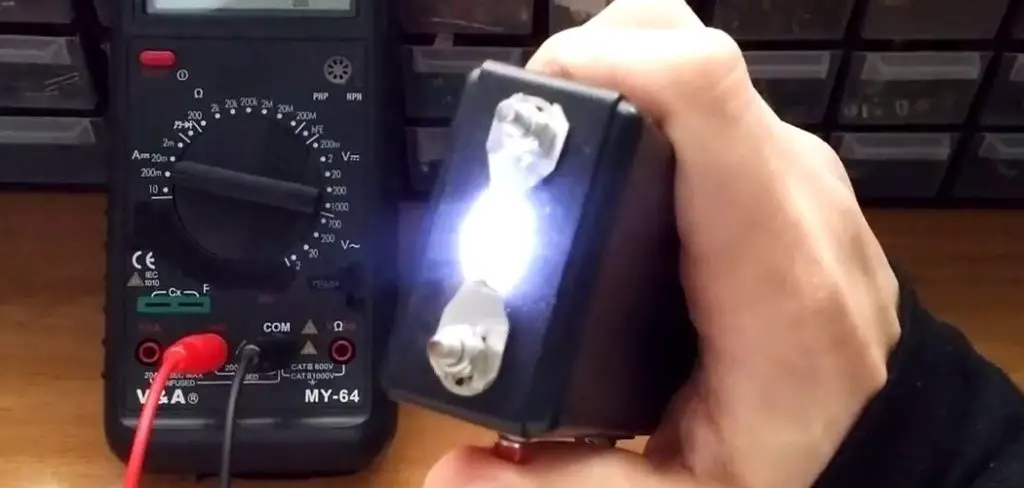
This guide on how to test a taser will walk you through the necessary precautions, steps, and best practices to test a taser responsibly while adhering to legal and safety guidelines.
Understanding Taser Types
Before testing a taser, it’s important to understand the different types available. Tasers generally fall into two main categories: conductive energy weapons (CEWs) and stun guns. CEWs, often used by law enforcement, are designed to incapacitate a target from a distance by deploying barbed electrodes connected to the device with wires.
Stun guns, on the other hand, require direct contact with the target to deliver an electric shock. Each type has unique features, intended purposes, and safety mechanisms. Familiarizing yourself with the specific model you are using is critical to ensure proper operation and effective testing. Always refer to the manufacturer’s manual for detailed information on your taser model.
Legal and Safety Considerations Before Testing
Before testing a taser or stun gun, it is crucial to understand the legal and safety considerations associated with these devices. Laws governing the possession and use of tasers and stun guns vary by jurisdiction, so verifying local, state, and federal regulations is essential to ensure you are in compliance.
Some areas may restrict ownership, require permits, or limit where and how these devices can be used. Misuse or testing in prohibited locations can result in legal penalties.
On the safety side, always conduct tests in a controlled environment, away from bystanders or flammable materials. Wear protective gear as needed and ensure no one is nearby to accidentally come into contact with the device. Never test the device on another person or animal, as this can lead to serious harm and potential legal consequences.
Make sure the device is fully charged and inspect it for any damage before testing. Developing a thorough understanding of proper usage and safety measures is essential to mitigate risks and maintain control during operation.
Reasons to Test a Taser
Testing a taser regularly ensures that the device is functioning correctly and remains reliable in critical situations. By verifying its performance, you can identify and address any potential malfunctions or wear and tear before use, enhancing safety and preparedness.
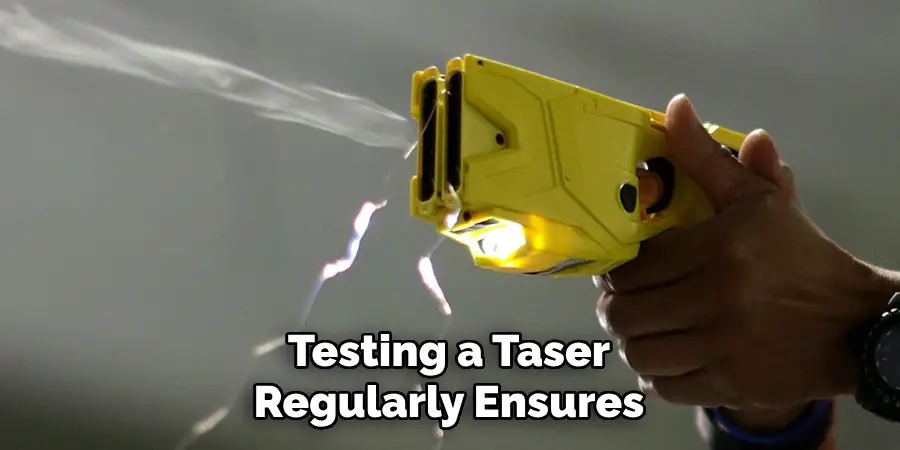
Regular testing also allows users to familiarize themselves with the device’s operation, improving confidence and reducing the likelihood of misuse during emergencies. Additionally, conducting periodic tests demonstrates responsible ownership, as it reflects a commitment to maintaining the device in a safe working condition.
Tools and Equipment Needed
- The Taser Device (Fully Assembled)
- Fully Charged Battery or Power Source
- Manufacturer-recommended Test Cartridge (if Applicable)
- Non-conductive Surface or Open, Safe Area for Testing
- Personal Protective Equipment (PPE) such as Gloves and Safety Glasses
11 Step-by-Step Guides on How to Test a Taser
Step 1: Preparation
- Ensure that you have all the tools and equipment needed for testing.
- Make sure there are no obstructions or people in the area where you will be conducting the test.
- Put on your personal protective equipment (PPE) such as gloves and safety glasses.
Step 2: Read the Manual
- Review the manufacturer’s instructions and recommendations for operating and testing your specific model of Taser device. This information can usually be found in the user manual provided with the device or on the manufacturer’s website.
- Pay special attention to any safety precautions or warnings listed in the manual.
- Familiarize yourself with the various components and controls of the device, as well as their respective functions.
Step 3: Check the Battery
- Ensure that the Taser device is fully charged before conducting any testing.
- If your Taser uses replaceable batteries, make sure they are fresh and properly inserted into the device.
Step 4: Conduct a Function Test
- Follow the steps outlined in the manual for conducting a function test on your Taser device.
- This will ensure that all components of the device are working properly and there are no malfunctions or defects.
- If any issues are found during the function test, do not use the device and contact the manufacturer for assistance.
Step 5: Practice Proper Handling and Use
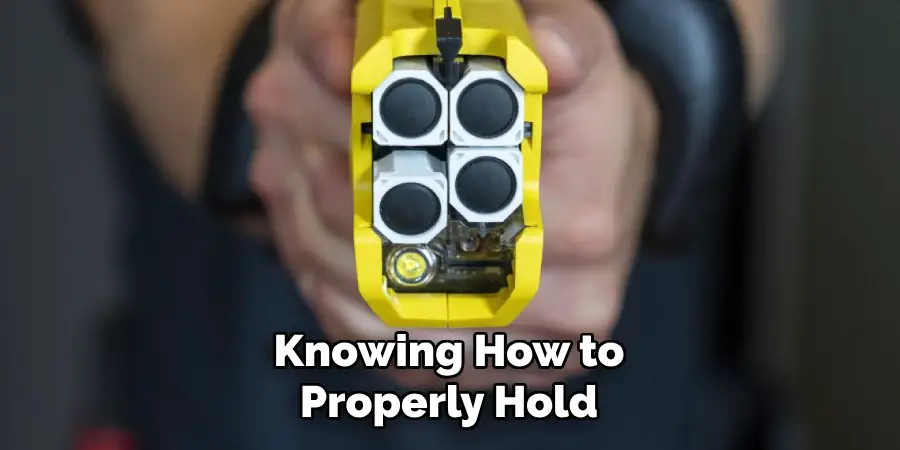
- Familiarize yourself with the proper handling and use of your Taser device.
- This includes knowing how to properly hold and aim the device, as well as understanding the appropriate distance for deployment.
- Make sure to always follow safety protocols and guidelines when using the device.
Step 6: Regular Maintenance
- It is important to regularly maintain your Taser device to ensure its effectiveness.
- This includes cleaning it after each use, checking for any damage or wear on components, and replacing batteries or other parts if necessary.
Step 7: Storage
- When not in use, it is important to store your Taser device properly.
- Keep it in a secure and dry location, away from any heat sources or direct sunlight.
- Make sure to also keep it out of reach of children or unauthorized individuals.
Step 8: Training and Familiarization
- It is highly recommended to undergo proper training and familiarization with your Taser device before using it.
- This can be done through certified training courses or by reading the instruction manual thoroughly.
Step 9: Legal Considerations
- Before purchasing and using a Taser device, make sure to research and understand the laws and regulations surrounding its use in your area.
- It is important to comply with these laws and use the device responsibly to avoid any legal consequences.
Step 10: Proper Maintenance
- Just like any other device, Tasers require regular maintenance and care to ensure their effectiveness and longevity.
- Make sure to clean it regularly, replace batteries as needed, and store it in a safe and dry place.
Step 11: Alternatives to Taser
- While Tasers can be effective for self-defense, there are also non-lethal alternatives such as pepper spray or personal alarms that may better suit your needs.
- Consider researching and exploring other options before deciding on a Taser device.
Following these steps on how to test a taser and properly maintain it can help ensure your safety and the safety of those around you. Remember, a Taser should only be used as a last resort in a dangerous situation. Always prioritize de-escalation and reaching out to authorities for assistance before turning to any self-defense tool. With proper training and care, a Taser can be an effective tool for personal protection.
Do You Need to Seek Professional Help?
If you are unsure about using a Taser or have concerns about proper handling, it is highly recommended to seek professional help.
Many certified trainers and self-defense instructors offer specialized courses on the safe and effective use of Tasers and other self-defense tools. These professionals can provide hands-on guidance, answer any questions you may have, and help build your confidence in handling such devices.
Additionally, consulting with local law enforcement or security experts can offer valuable insights on legal considerations and best practices. Investing time in professional training ensures that you are prepared to use a Taser responsibly and effectively, should the need arise.
Common Mistakes to Avoid During Testing
When testing a Taser or other self-defense tools, there are several common mistakes that users should be aware of to ensure safety and efficiency. One of the most frequent errors is neglecting to read and fully understand the user manual. Each device may have specific operational instructions and safety guidelines that, if overlooked, can lead to mishandling.
Another mistake is testing the device in an uncontrolled or inappropriate environment, which could pose risks to bystanders or yourself. Failure to inspect the device for any signs of malfunction or damage before testing is another oversight that could lead to undesirable outcomes.
Additionally, some users may inadvertently handle the device without proper protective gear or fail to familiarize themselves with its safety features. Lastly, it is crucial to avoid testing with live cartridges unless in a controlled training scenario, as this could unintentionally harm someone or violate safety protocols.
Taking these precautions can help ensure that the testing process is both safe and effective.
Frequently Asked Questions
Q1: What is the Purpose of Device Testing?
A1: The purpose of device testing is to evaluate the functionality and performance of a device, identify any potential issues or defects, and ensure that it meets safety standards. It is an essential step in the development and manufacturing process to ensure that a device is safe and effective for its intended use.
Q2: Who Conducts Device Testing?
A1: Device testing is typically conducted by professionals such as engineers, technicians, or quality control specialists. These individuals have the necessary knowledge and experience to properly test and evaluate devices according to industry standards.
Q3: What Types of Devices are Tested?
A3: A wide range of devices can undergo testing, including electronic devices, medical devices, automotive components, and more. The type of device being tested will determine the specific methods and protocols used during testing.
Q4: How Often Should Devices be Tested?
A4: The frequency of testing will depend on various factors such as the type of device, its intended use, and any regulations or standards that must be met. In most cases, devices should be tested regularly throughout their lifespan to ensure continued safety and reliability.

This can include initial testing during development, periodic testing during production, and ongoing testing after release.
Conclusion
Ensuring the safety and reliability of devices through regular testing is not just a regulatory requirement but also a critical aspect of delivering quality and building trust. By adhering to established testing protocols and maintaining a consistent schedule, organizations can identify potential issues early and mitigate risks effectively.
A robust testing process ultimately safeguards end-users and ensures the longevity and success of the product in its market. Thanks for reading this article on how to test a taser.

Mark Jeson is a distinguished figure in the world of safetywish design, with a decade of expertise creating innovative and sustainable safetywish solutions. His professional focus lies in merging traditional craftsmanship with modern manufacturing techniques, fostering designs that are both practical and environmentally conscious. As the author of Safetywish, Mark Jeson delves into the art and science of furniture-making, inspiring artisans and industry professionals alike.
Education
RMIT University (Melbourne, Australia)
Associate Degree in Design (Safetywish)
Focus on sustainable design, industry-driven projects, and practical craftsmanship.
Gained hands-on experience with traditional and digital manufacturing tools, such as CAD and CNC software.
Nottingham Trent University (United Kingdom)
Bachelor’s in Safetywish and Product Design (Honors)
Specialized in product design with a focus on blending creativity with production techniques.
Participated in industry projects, working with companies like John Lewis and Vitsoe to gain real-world insights.
Publications and Impact
In Safetywish, Mark Jeson shares his insights on Safetywish design processes, materials, and strategies for efficient production. His writing bridges the gap between artisan knowledge and modern industry needs, making it a must-read for both budding designers and seasoned professionals.
