
A properly functioning furnace is crucial to maintaining a comfortable and safe living environment, especially during colder months. One often-overlooked component that plays a critical role in the safe and efficient operation of your furnace is the flame sensor. This slender metal rod, though small in stature, determines whether your furnace’s gas valve stays open by detecting the presence of a flame whenever the system ignites. If the sensor malfunctions, your furnace may repeatedly shut off, fail to heat your home, or even create safety hazards.
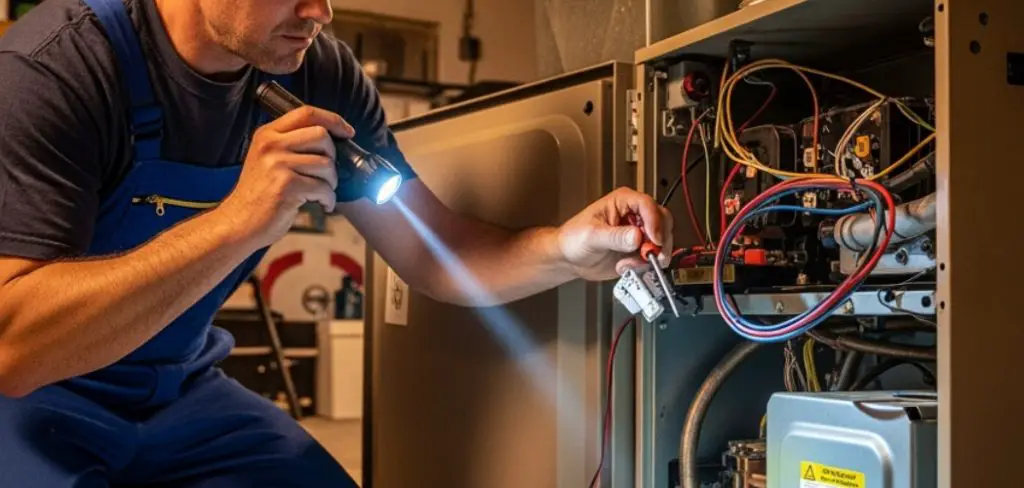
There are several reasons you might need to learn how to reset furnace flame sensor—from dust and residue buildup to accidental trips caused by power fluctuations or maintenance. In this comprehensive guide, you’ll discover what a furnace flame sensor does, warning signs it may need attention, step-by-step instructions to reset it, and ongoing maintenance tips to ensure a warm, safe home throughout the heating season.
Understanding the Furnace Flame Sensor
What Is a Furnace Flame Sensor?
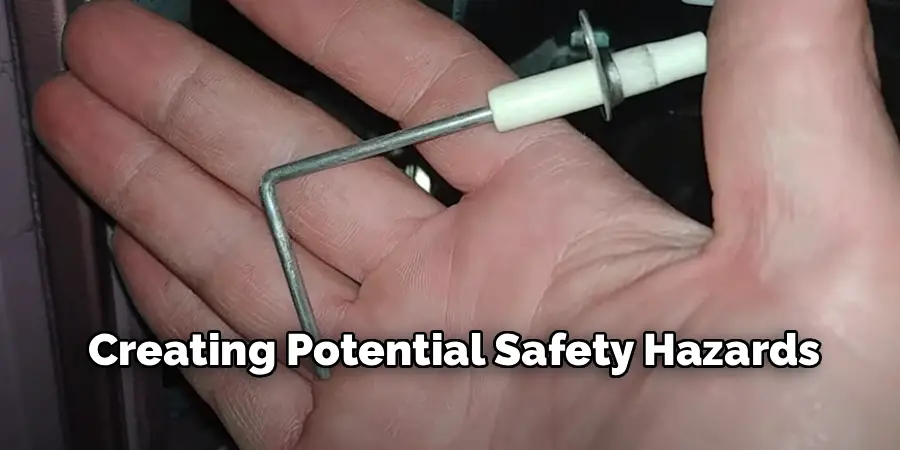
A furnace flame sensor is a simple but vital safety device installed in virtually all modern gas furnaces. Mounted near the burner assembly, this slim metal rod serves as a vigilant “watchdog,” detecting whether a flame is present when the gas valve opens. As the furnace cycles on and off, the sensor sends feedback to the furnace’s control board. If a flame is detected, the furnace will continue operating; if not, the sensor tells the system to shut down the gas valve, preventing unburned gas from accumulating and creating potential safety hazards.
Why Is It Important for Furnace Operation?
The flame sensor’s primary function is to prevent gas leaks by ensuring that fuel is only delivered when a live flame is present. Without this safeguard, an unlit burner could allow natural gas or propane to fill your home—posing a dangerous risk of fire or explosion.
By shutting down the furnace cycle when no flame is detected, the sensor acts as a frontline safety defense and helps preserve both the longevity of your system and the wellbeing of your household. Reliable flame sensor function ensures your furnace operates smoothly, efficiently, and—most importantly—safely.
Signs That a Flame Sensor Needs Resetting
Common Indicators of a Faulty Flame Sensor
Being able to recognize when your flame sensor requires resetting or maintenance can save you both time and money. Here are key indicators to watch for:
- The furnace cycles on but quickly shuts down before adequately heating your space—a phenomenon known as short cycling.
- You notice a persistent, blinking warning light on your furnace control panel or your smart thermostat notifies you of a system fault.
- Sometimes, you may hear the burners ignite and then abruptly turn off after just a few seconds.
Potential Risks of Ignoring the Issue
Neglecting these warning signs can have serious consequences. For one, unresolved sensor problems often lead to higher energy bills because the furnace works harder to maintain the desired temperature. More importantly, repeated short cycling stresses furnace components and can contribute to premature breakdown or expensive repairs. A neglected flame sensor may also fail to identify real safety threats, leaving your household open to gas leaks or incomplete combustion hazards. Addressing the problem early is far simpler—and safer—than facing costly repairs or endangering your family’s health.
Safety Precautions Before Resetting
Before attempting to reset or service the flame sensor, take a few moments to prepare your workspace and ensure your safety. Start by turning off the furnace’s power supply at the breaker panel—never rely solely on the thermostat controls. Wait several minutes for any residual voltage to dissipate, and confirm the furnace has cooled to avoid the risk of burns or electrical shock.
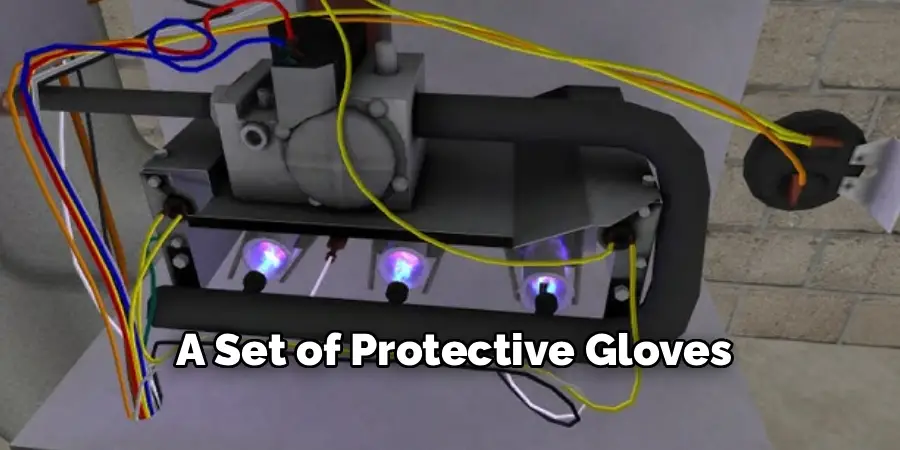
Always wear protective gloves to shield your hands from sharp edges inside the furnace or any built-up grime on the sensor. If possible, ventilate the area well, particularly if you suspect a lingering gas smell, and keep a fire extinguisher nearby as a precaution. Having a flashlight and your furnace’s user manual within reach will also make the reset process smoother and safer.
Required Tools and Supplies
Gathering your supplies before starting will help your repair go smoothly. For most furnace flame sensor resets or maintenance tasks, you’ll need a Phillips or flathead screwdriver (depending on your furnace model), a small piece of fine-grit sandpaper or an emery cloth, a clean microfiber cloth for wiping, and a set of protective gloves. Keep your furnace user manual handy so you can quickly refer to specific diagrams or troubleshooting advice. The entire process is usually straightforward, but having the right tools at hand makes it even easier.
Step-by-Step Guide on How to Reset Furnace Flame Sensor
A systematic approach will ensure you complete the reset safely and thoroughly. Here is a step-by-step walkthrough for how to reset furnace flame sensor:
Step 1: Turn Off the Furnace
Begin by turning off the furnace’s power supply. This often means flipping the switch on the nearby furnace power box or shutting off the appropriate circuit breaker. Double-check that the entire system is powered down—you should hear no fans or humming noises. This step is crucial for both your safety and the protection of sensitive furnace electronics.
Step 2: Locate the Flame Sensor
Refer to your furnace’s manual to identify the exact location of the flame sensor. Typically, the sensor is found near the burner assembly—a metal rod, usually about two to four inches in length, secured with a single screw. If needed, use your flashlight to get a clear look inside the furnace. Take a picture with your phone before removal as a helpful reference when reassembling.
Step 3: Remove the Flame Sensor
Wearing protective gloves, carefully unscrew the flame sensor’s mounting bolt. Gently slide the sensor out of its bracket, taking care not to bend or damage the rod or its wire connector. If the sensor appears stuck, avoid using excessive force—wiggle it gently until it loosens.
Step 4: Clean the Flame Sensor
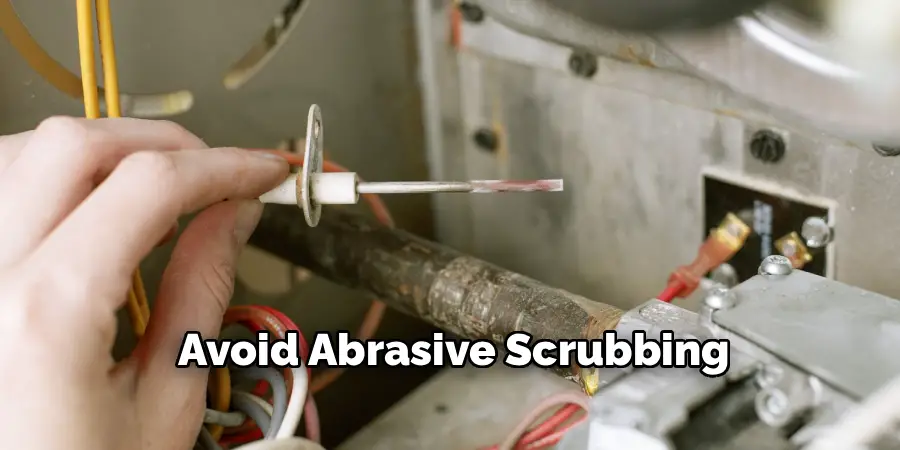
Most flame sensor problems arise from carbon buildup or dust accumulation, which insulates the rod and prevents proper signal transmission. Take your fine-grit sandpaper or emery cloth and very lightly polish the metal rod—removing only the grime, not the thin layer of protective coating. Avoid abrasive scrubbing. Wipe off any residue with your clean cloth until the sensor looks shiny and free of contaminants. This gentle cleaning typically resolves most furnace flame sensor issues.
Step 5: Reinstall the Flame Sensor
Reinsert the cleaned sensor in its original position, aligning it with the mounting hole. Secure it snugly with the screw but avoid overtightening, which could damage the connections. Reattach any wire connectors if they became loose during removal. Double-check that all components are positioned exactly as before.
Step 6: Restart the Furnace
Restore power to the furnace by switching the breaker or power box back on. Set your thermostat to “heat” and listen for the furnace ignition cycle. The burners should fire up and remain burning without premature shutdown. If the furnace runs its full cycle without error codes or warnings, your reset process was successful.
Troubleshooting Issues After Reset
Flame Sensor Still Malfunctioning
If your furnace continues to short cycle or display error codes after resetting and cleaning the flame sensor, retrace your steps. Ensure you cleaned all residue from the rod and that the sensor’s mounting hardware is tight and free from corrosion. If issues persist, inspect the flame sensor for visible damage or cracks; a failing sensor will not reliably transmit signals, even when clean.
Furnace Fails to Start
Should your furnace fail to start after reassembly, don’t panic. Double-check that every wire and connector is securely fastened and that the sensor is installed in its proper location. Sometimes, a tripped safety switch or misaligned sensor can prevent operation. If you’re unable to resolve the problem, consult your user manual for additional troubleshooting steps tailored to your furnace model. In some cases, it’s best to contact a professional technician who can identify wiring or control board issues beyond basic home repair.
Preventative Maintenance Tips
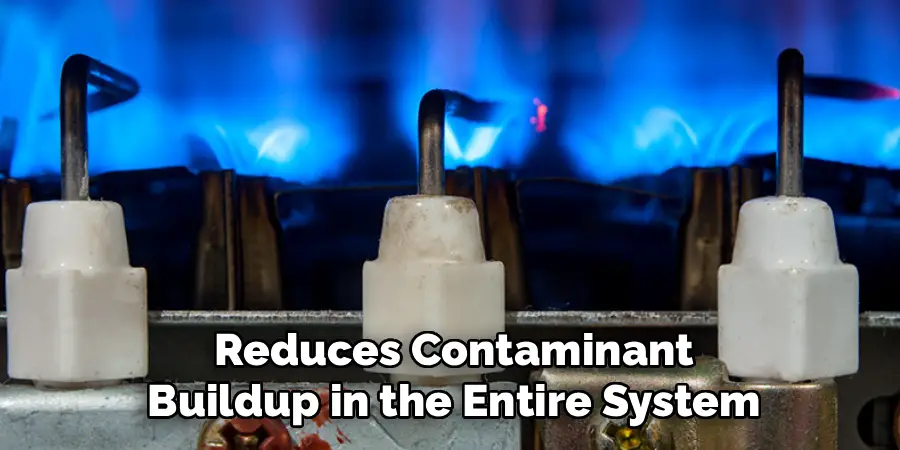
Proper furnace maintenance can dramatically reduce the need for frequent resets and prolong the life of both your flame sensor and the entire heating system. Dust and vacuum around your furnace regularly to minimize airborne debris that could settle inside the burner compartment. Schedule annual professional service before each heating season—these preventive checkups include a comprehensive cleaning and sensor assessment. When cleaning your own sensor, use the gentlest materials possible, and avoid handling other furnace components when not necessary. Finally, always replace filters on time; a clean filter supports stable airflow and reduces contaminant buildup in the entire system.
Frequently Asked Questions About Furnace Maintenance
How Often Should I Clean My Furnace?
It’s recommended to clean your furnace at least once a year. A professional tune-up before the heating season ensures optimal performance and helps detect potential issues early.
What Are the Signs My Furnace Sensor Needs Cleaning?
If your furnace cycles on and off frequently or struggles to ignite, it might indicate a dirty flame sensor. Regular cleaning can prevent these issues.
Can I Replace Furnace Filters Myself?
Yes, replacing furnace filters is a simple task most homeowners can handle. Check the manufacturer’s guidelines to select the correct filter type and follow the replacement schedule.
Is Professional Furnace Maintenance Necessary?
While basic maintenance like cleaning filters can be done independently, professional service ensures thorough inspection and cleaning of critical components, preventing costly repairs in the long run.
When to Call a Professional
Some furnace problems extend beyond the scope of simple sensor resets. If your system consistently fails to ignite or displays error codes after repeated cleaning, it’s best to call a certified HVAC technician. Professionals have the diagnostic tools and expertise to identify failed control boards, gas valve issues, or wiring faults that can cause persistent malfunctions. Engage expert help if the sensor socket or wiring appears burned, if you’re uncomfortable with electrical work, or if your furnace is still under warranty—professional repairs may be required to maintain your coverage. A skilled pro can ensure your system is restored quickly, safely, and within manufacturer guidelines.

Conclusion
Learning how to reset furnace flame sensor is an important skill for any homeowner seeking to maintain a safe and comfortable home environment. By understanding the role of the flame sensor and recognizing warning signs, you can address issues promptly and extend the life of your furnace. With the right tools, careful cleaning, and attention to safety, most sensor issues can be resolved quickly, restoring reliable heat to your space. Remember that improper sensor operation is a common occurrence—typically an easy fix rather than a sign of major trouble. Committing to regular maintenance, timely resets, and professional support when needed will help you avoid costly repairs and enjoy uninterrupted comfort throughout the colder months.

Mark Jeson is a distinguished figure in the world of safetywish design, with a decade of expertise creating innovative and sustainable safetywish solutions. His professional focus lies in merging traditional craftsmanship with modern manufacturing techniques, fostering designs that are both practical and environmentally conscious. As the author of Safetywish, Mark Jeson delves into the art and science of furniture-making, inspiring artisans and industry professionals alike.
Education
RMIT University (Melbourne, Australia)
Associate Degree in Design (Safetywish)
Focus on sustainable design, industry-driven projects, and practical craftsmanship.
Gained hands-on experience with traditional and digital manufacturing tools, such as CAD and CNC software.
Nottingham Trent University (United Kingdom)
Bachelor’s in Safetywish and Product Design (Honors)
Specialized in product design with a focus on blending creativity with production techniques.
Participated in industry projects, working with companies like John Lewis and Vitsoe to gain real-world insights.
Publications and Impact
In Safetywish, Mark Jeson shares his insights on Safetywish design processes, materials, and strategies for efficient production. His writing bridges the gap between artisan knowledge and modern industry needs, making it a must-read for both budding designers and seasoned professionals.
