
Are you missing your Lincoln key fob? Losing a key fob can be frustrating and inconvenient, especially if you need to use your car. But don’t worry, there are some steps you can take to find your lost Lincoln key fob.
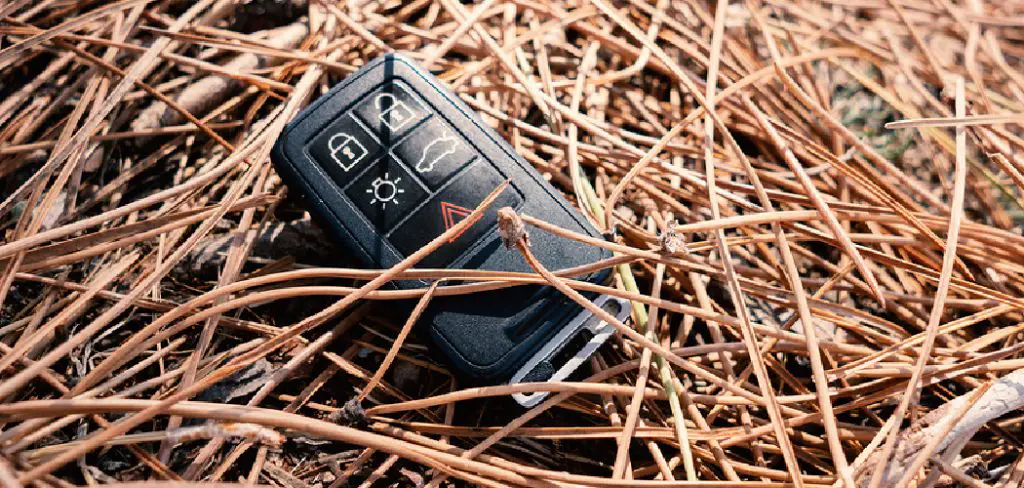
Losing your Lincoln key fob can be frustrating and inconvenient, especially when you’re in a rush or far from home. Thankfully, there are several practical steps you can take to locate it quickly and avoid unnecessary stress. From retracing your steps to leveraging modern technology, finding your lost key fob doesn’t have to be a daunting task.
This guide on how to find lost lincoln key fob will walk you through some effective strategies to help you recover your Lincoln key fob and get back on the road with minimal hassle.
What Are the Benefits of Having a Key Fob for Your Lincoln?
Having a key fob for your Lincoln provides several benefits:
- Convenience: With a key fob, you don’t have to manually insert and turn a key to unlock or start your car. This is especially useful when your hands are full or during inclement weather.
- Safety: Key fobs often come equipped with a panic button that can help you in emergencies. If you feel unsafe or threatened, pressing this button will set off your car’s alarm and potentially scare away any potential attackers.
- Advanced Features: Many key fobs for modern vehicles also have advanced features such as remote start, which allows you to start your car from a distance. This is particularly useful during cold winter months when you want to warm up your car before getting in.
- Security: Key fobs use encrypted signals to communicate with your vehicle, making them more secure than traditional keys. This reduces the risk of someone stealing or duplicating your key and gaining access to your car.
What Will You Need?
To use a key fob, you will need:
- A key fob (usually provided with your vehicle)
- A functioning battery in the key fob
- Knowledge of how to use the keyless entry remote start features on your specific vehicle
Some vehicles may also require additional steps, such as programming the key fob to work with your car, which can typically be done by following instructions in the owner’s manual or consulting a dealership.
10 Easy Steps on How to Find Lost Lincoln Key Fob
Step 1. Stay Calm and Think
The first and most crucial step is to remain calm. Losing your key fob can be frustrating, but panicking will only make it harder to think clearly and retrace your steps. Take a deep breath and try to recall where you last used or saw your key fob. Consider the sequence of events leading up to when you noticed it was missing.
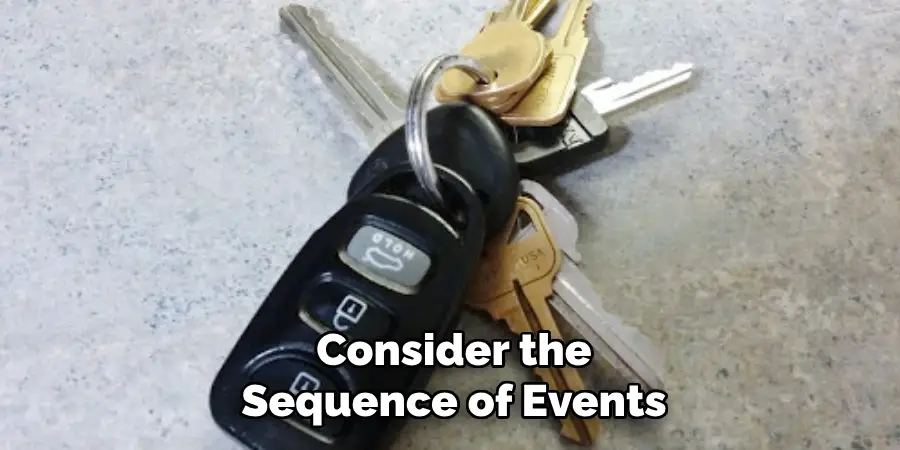
Did you use it at home, in your car, or while running errands? Often, mentally walking through your day can help trigger memories of where you might have left it. Focus on high-traffic areas such as countertops, tables, bags, or the last jacket or pants pocket you wore, as these are common places where key fobs are misplaced.
Step 2. Check Common Areas
Begin your search by checking the most frequent locations where key fobs are typically left. Look on kitchen countertops, coffee tables, or near the entryway, as these are common drop-off points when arriving home.
If you were carrying a bag or purse, thoroughly inspect all compartments, including hidden or zipped sections. Check furniture such as couches and chairs, as the key fob may have slipped between cushions. Additionally, review recently worn clothing, particularly coats, jackets, or pants with pockets, as these are often overlooked.
Step 3. Inspect Your Vehicle
Open your vehicle and carefully check all areas where the key fob might be located. Begin with the driver’s seat and the immediate surroundings, such as the center console, cup holders, and storage compartments. Look under the seats, as items can easily slip into hard-to-reach spots. If your vehicle has a backseat, inspect the area thoroughly, including any seat pockets or side compartments.
Don’t forget to check the trunk or cargo area if you have recently placed items there. Lastly, examine all floors and mats, as the key fob might have fallen during use.
Step 4. Search Around Your Home
Start by retracing your steps to identify areas where you may have placed or dropped the key fob. Check common locations such as countertops, tables, or nightstands where you typically set down items upon entering your home. Look under furniture like couches or chairs, as the fob could have slipped between cushions or onto the floor.
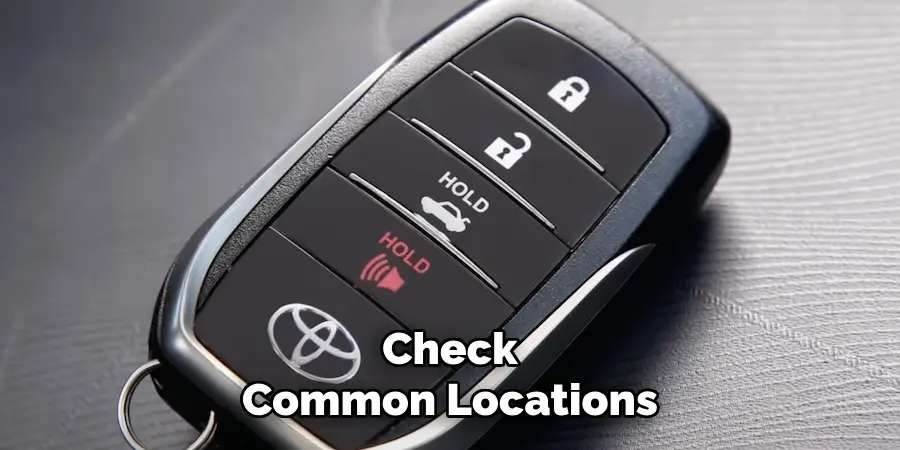
Examine drawers, shelves, or any storage areas where items might be placed inadvertently. Don’t forget to inspect jacket or coat pockets and any bags or purses you used recently. A systematic search of each room can help ensure nothing is overlooked.
Step 5. Use a Key Finder
If you own a key finder device, now is the time to use it. Key finders, often equipped with Bluetooth technology, allow you to track your key fob using your smartphone or a remote control. Activate the key finder app and follow the prompts to locate your missing fob.
Many key finders emit a sound or beep, making it easier to pinpoint the exact location, even if the fob is hidden under cushions or in tight spaces. Ensure that the battery in your key finder is charged or functional for optimal results.
Step 6. Ask for Help
If the above steps do not help you locate your key fob, don’t hesitate to ask for assistance. Family members, friends, or colleagues might help you search places you may have overlooked. Additionally, if you are in a public place, consider asking staff or security personnel to assist you.
Sometimes, an extra pair of eyes or a fresh perspective can make all the difference in identifying where the key fob might be. Patience and collaboration can save time and reduce frustration during the search.
Step 7. Revisit Unusual Spots
Think back to any unconventional or less obvious places where your key fob might have been left. These could include behind furniture, under cushions, inside drawers that are rarely used, or even in your laundry basket.
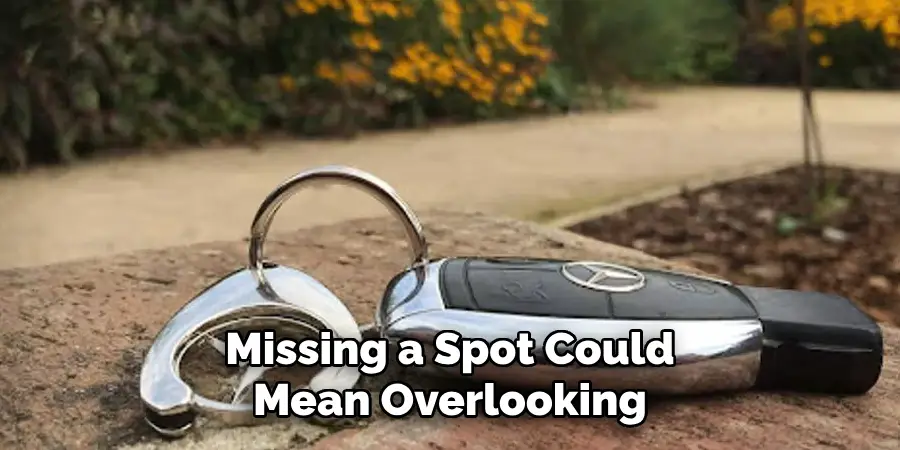
Sometimes, key fobs end up in places you’d never think to check initially, like a bag you haven’t used in a while or inside pockets of clothing. Methodically inspecting these unusual spots can often lead to surprising discoveries. Take your time and ensure you check each area thoroughly, as missing a spot could mean overlooking your key fob entirely.
Step 8. Check Outside
If you still haven’t located your key fob, it’s time to expand your search to outdoor areas. Check around your driveway, on the ground near your car, or in the yard, as it’s possible the fob was dropped while entering or exiting your vehicle.
Look under bushes, in flower beds, or along walkways where it might have fallen unnoticed. Don’t forget to inspect outdoor furniture or any places you might have briefly stopped with items in hand. If you visited another location, consider retracing your steps to those spots as well. Taking a flashlight can help illuminate areas in lower light, ensuring a more thorough search.
Step 9. Use Spare Keys
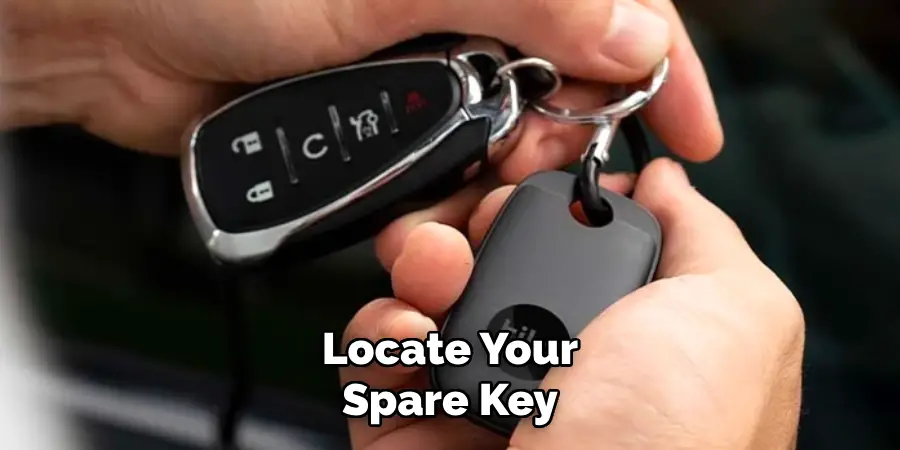
If your search does not yield results, it’s time to rely on a spare key if you have one available. Spare keys are invaluable in situations where the primary key is misplaced or lost. Check known storage spots, such as a key organizer, a drawer, or a designated safe place in your home.
For added convenience, some vehicles are equipped with backup keys or valet keys stored in hidden compartments. Ensure you take care of your spare to avoid a repeat situation, and consider keeping it in a secure but memorable location for future use.
Step 10. Contact a Dealership
If you are unable to locate your spare key or resolve the issue, contacting your vehicle’s dealership is a reliable option. Dealerships can provide replacement keys or assist in reprogramming electronic keys or fobs specific to your vehicle’s make and model. Be prepared to present proof of ownership, such as your car registration or title, along with a government-issued ID.
Dealership services may require additional fees, so inquire about the cost upfront to avoid unexpected expenses.
By following these steps, you can systematically search for your lost Lincoln key fob and plan for a replacement if necessary.
Conclusion
How to find lost lincoln key fob can be a stressful experience, but with a thoughtful and organized approach, it is possible to resolve the issue efficiently.
By retracing your steps, checking common places where the key fob might have been misplaced, and leveraging tools like tracking devices or smartphone apps, you can increase your chances of finding it. If all else fails, contacting your local dealership or a qualified locksmith to obtain a replacement is a reliable solution.
Taking preventive measures, such as keeping a spare key or using a key locator, can help you avoid similar situations in the future.
Following these steps ensures a smoother process in handling the inconvenience of a lost key fob.

Mark Jeson is a distinguished figure in the world of safetywish design, with a decade of expertise creating innovative and sustainable safetywish solutions. His professional focus lies in merging traditional craftsmanship with modern manufacturing techniques, fostering designs that are both practical and environmentally conscious. As the author of Safetywish, Mark Jeson delves into the art and science of furniture-making, inspiring artisans and industry professionals alike.
Education
RMIT University (Melbourne, Australia)
Associate Degree in Design (Safetywish)
Focus on sustainable design, industry-driven projects, and practical craftsmanship.
Gained hands-on experience with traditional and digital manufacturing tools, such as CAD and CNC software.
Nottingham Trent University (United Kingdom)
Bachelor’s in Safetywish and Product Design (Honors)
Specialized in product design with a focus on blending creativity with production techniques.
Participated in industry projects, working with companies like John Lewis and Vitsoe to gain real-world insights.
Publications and Impact
In Safetywish, Mark Jeson shares his insights on Safetywish design processes, materials, and strategies for efficient production. His writing bridges the gap between artisan knowledge and modern industry needs, making it a must-read for both budding designers and seasoned professionals.
