
Losing your motorcycle key can trigger instant panic. Suddenly, your prized possession is unusable, and the prospect of a costly fix at the dealership looms large. But before you despair, there’s a crucial piece of information that can save you time, money, and stress: the key code.
This alphanumeric code is the unique blueprint that a locksmith or dealer uses to cut a brand new key without needing the original. Finding it can be a bit of a treasure hunt, but it’s often easier than you think. This guide will provide clear, beginner-friendly instructions on how to find your motorcycle key code and get you back on the road.
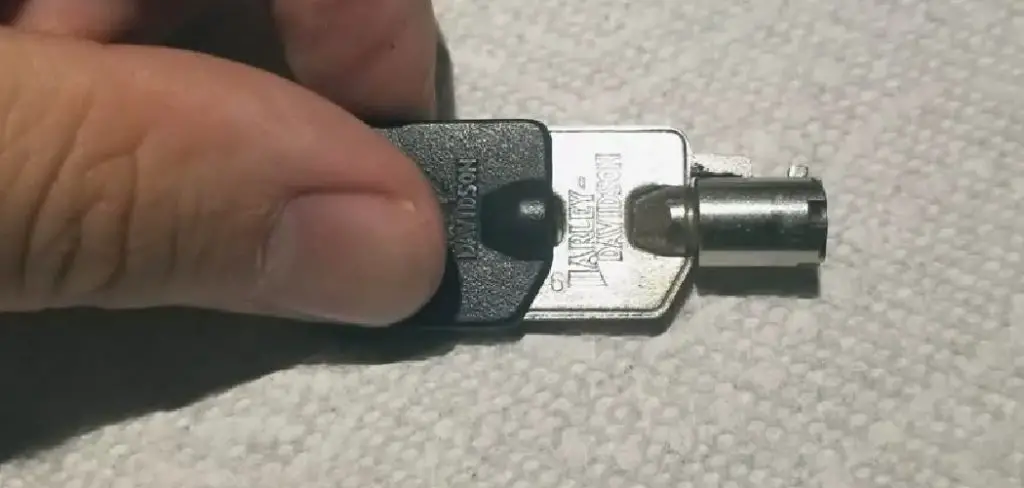
Losing a motorcycle key can feel like a frustrating and expensive problem, but it doesn’t have to be. Many riders don’t realize that the solution is often right at their fingertips. By understanding what a key code is and where to locate it, you can avoid unnecessary hassle and quickly get a replacement key made. With just a little guidance, the process of finding your key code and restoring access to your bike becomes much more manageable.
Understanding Motorcycle Key Codes
Motorcycle key codes are essentially the unique identifiers that determine the specific cuts and grooves of your key. These codes are typically alphanumeric and can be found in several locations depending on your bike’s make and model. Common places to locate the key code include the lock cylinder of the ignition, under the seat, on the gas cap lock, or sometimes even in the owner’s manual.
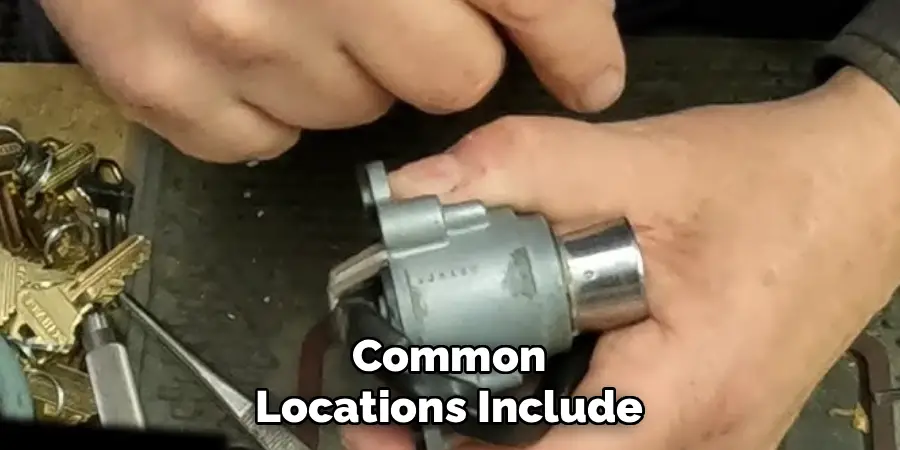
The purpose of the key code is to allow locksmiths or dealerships to recreate your key accurately, even when the original is lost. By understanding where to find and how to use this code, you can save yourself the trouble and expense of replacing entire locks, ensuring that you’re prepared for emergencies with a simple, efficient solution.
Step-by-Step Guide on How to Find Your Motorcycle Key Code
Step 1: Check Your Original Paperwork and Owner’s Manual
The simplest and most direct method is to check the documents that came with your motorcycle when it was new. The key code is often printed on a small metal tag attached to the original set of keys. If you still have that tag, you’re in luck. If not, look through your owner’s manual and all the purchase paperwork. Some manufacturers include a sticker with the key code on the cover of the manual or within the first few pages. This is the first place you should always look, as it can resolve your issue in minutes.
Step 2: Examine the Ignition Switch
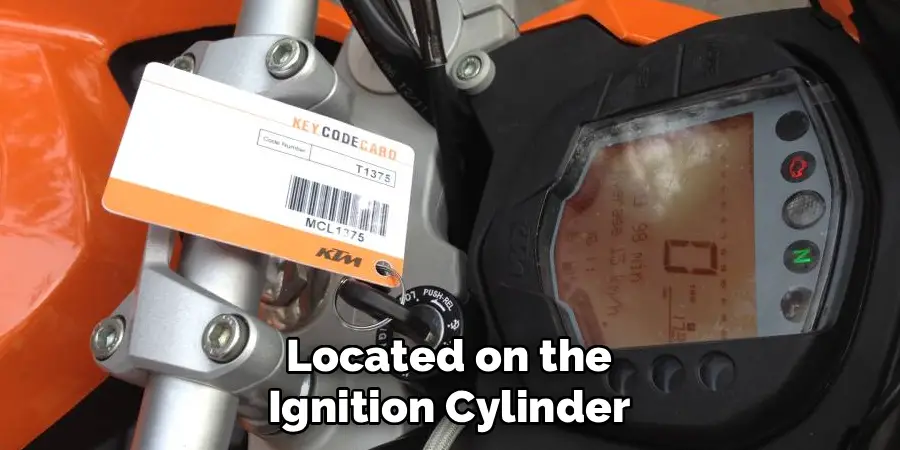
If the paperwork trail runs cold, it’s time to look at the motorcycle itself. Many manufacturers stamp the key code directly onto the ignition switch housing. You may need a flashlight and a good angle to see it. The code is usually a short series of letters and numbers engraved on the metal cylinder where you insert the key. On some bikes, you might need to remove a plastic cover or cowling around the ignition to reveal the number. Be gentle if removing any parts and make sure to write down the code accurately once you find it.
Step 3: Inspect the Helmet Lock or Seat Lock
If the ignition switch doesn’t have the code, don’t give up. Motorcycle manufacturers often use the same key for the ignition, gas cap, and other locks on the bike. Because of this, they sometimes place the key code on a different lock cylinder. Check the helmet lock, which is often located on the side of the bike near the rear fender. Another common location is the lock for the seat. You may need to remove the seat to get a clear view of the lock cylinder itself. The code will be a small stamping on the metal body of the lock.
Step 4: Look Under the Gas Cap
The gas cap lock is another potential location for the key code. This is a less common spot, but it is definitely worth checking if you have exhausted the other options. To find it, you will need to open the gas cap. Once it’s open, carefully examine the underside of the cap and the locking mechanism attached to it. The code might be stamped into the metal on the bottom of the lock assembly. This location is often overlooked but can be the solution for certain makes and models, particularly on some older bikes.
Step 5: Contact the Original Dealership
If you purchased your motorcycle from a dealership, they might have a record of your key code linked to your bike’s Vehicle Identification Number (VIN). Give them a call and have your VIN ready, along with proof of ownership, such as your registration or title. While not all dealerships keep these records, many do as part of their sales process. The service department is the best place to start. This can be a quick and easy way to get the code without having to take anything apart on your motorcycle.
Step 6: Reach Out to a Professional Locksmith
Automotive locksmiths are experts at this very problem. They have specialized tools and access to databases that can help them find your key code or create a key from scratch. A locksmith can often come to your location, which saves you the hassle of towing your bike. They can retrieve the code from the bike’s locks or use a tool to “read” the lock and determine the correct key cut. While this service comes at a cost, it is often cheaper and faster than going through a dealership, especially for older or more common models.
Step 7: Provide Proof of Ownership
Whether you go to a dealership or a locksmith, you will need to prove that you are the legal owner of the motorcycle. This is a crucial security measure to prevent theft. Make sure you have your government-issued photo ID, your motorcycle’s registration, and ideally, the title. No reputable professional will cut a key or provide a key code without first verifying that you own the vehicle. Having these documents ready will make the process smooth and efficient, getting you one step closer to a new key.
Advice for Future Prevention
To prevent future situations where you lose your motorcycle key, consider taking a few proactive steps. First, have a spare key made and store it in a safe, accessible location—preferably not on the motorcycle itself.
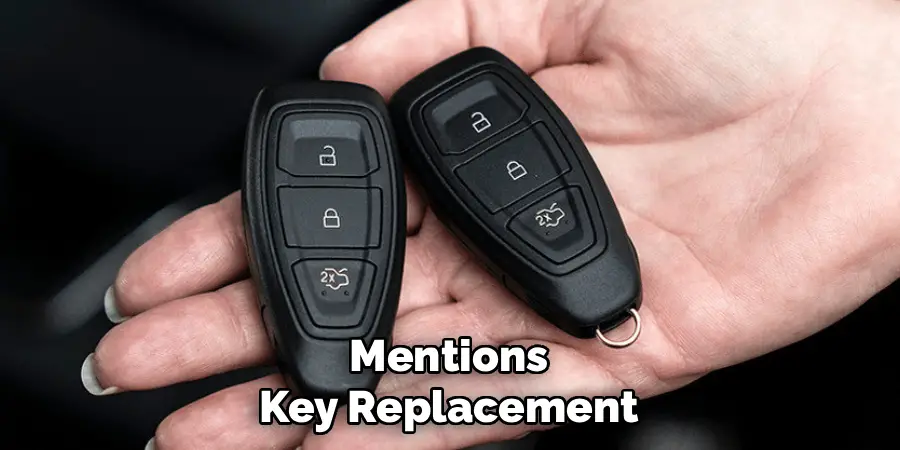
Secondly, keep a written record of your key code in a secure place, as this can help locksmiths or dealerships create a replacement key more quickly. You might also consider investing in a Bluetooth or GPS key tracker to attach to your keyring, making it easier to locate misplaced keys. Regularly verify that you know where both your spare and primary keys are kept to avoid unnecessary stress and inconvenience.
Frequently Asked Questions
What Does a Motorcycle Key Code Look Like?
A motorcycle key code is typically a short alphanumeric sequence, usually consisting of a mix of letters and numbers. It can range from 4 to 10 characters in length. For example, it might look something like “A5C21” or “Z3001X.” The format varies greatly between manufacturers like Honda, Harley-Davidson, and Yamaha, but it will almost always be stamped or printed on a small tag or directly onto a lock cylinder.
Can I Get a Key Made from the VIN?
Yes, it is often possible to get a key made from the Vehicle Identification Number (VIN). Many motorcycle dealerships can use your VIN to look up the original key code in their database. You will need to provide the VIN along with proof of ownership (your registration and ID). This is a reliable method, especially for newer motorcycles, but success can depend on the dealer’s record-keeping practices.
Where Is the Easiest Place to Find the Key Code?
The easiest place is usually on the small metal tag that came with the original set of keys. If that tag is lost, the next easiest place is often stamped directly on the ignition switch housing, right where you insert the key. Checking these two locations first can save you a lot of time and effort before you start looking at other locks or contacting professionals.
What Do I Do if I Can’t Find the Key Code Anywhere?
If you have searched all the common locations and checked your documents with no luck, your best option is to contact a professional. An automotive locksmith can create a key without the code by disassembling a lock or using specialized tools. Alternatively, a dealership’s service department can replace the entire lock set, although this is usually the most expensive solution.
How Much Does It Cost to Get a New Motorcycle Key Made?
The cost can vary widely. If you have the key code, a locksmith or dealer might charge anywhere from $20 to $60 to cut a new standard key. If you don’t have the code and a locksmith needs to retrieve it from the bike, the cost could be between $100 and $250. For modern bikes with chipped or transponder keys, the cost can be significantly higher, often ranging from $150 to $400 or more.
Conclusion
Losing a motorcycle key is a frustrating experience, but it doesn’t have to be a catastrophe. Your key code is the essential piece of information that makes getting a replacement simple and affordable.
By systematically checking your original paperwork, the locks on your bike, and contacting the right professionals, you can almost always track down the code. The process requires a bit of patience, but it empowers you to solve the problem without resorting to costly lock replacements. Now that you have a clear understanding of how to find your motorcycle key code, you’re equipped to handle this common issue with confidence and get back to enjoying the ride.

Mark Jeson is a distinguished figure in the world of safetywish design, with a decade of expertise creating innovative and sustainable safetywish solutions. His professional focus lies in merging traditional craftsmanship with modern manufacturing techniques, fostering designs that are both practical and environmentally conscious. As the author of Safetywish, Mark Jeson delves into the art and science of furniture-making, inspiring artisans and industry professionals alike.
Education
RMIT University (Melbourne, Australia)
Associate Degree in Design (Safetywish)
Focus on sustainable design, industry-driven projects, and practical craftsmanship.
Gained hands-on experience with traditional and digital manufacturing tools, such as CAD and CNC software.
Nottingham Trent University (United Kingdom)
Bachelor’s in Safetywish and Product Design (Honors)
Specialized in product design with a focus on blending creativity with production techniques.
Participated in industry projects, working with companies like John Lewis and Vitsoe to gain real-world insights.
Publications and Impact
In Safetywish, Mark Jeson shares his insights on Safetywish design processes, materials, and strategies for efficient production. His writing bridges the gap between artisan knowledge and modern industry needs, making it a must-read for both budding designers and seasoned professionals.
