
A snapped key can be a frustrating and inconvenient problem, whether it happens at home, work, or with your vehicle. Keys can break due to wear and tear, improper use, or faulty locks, leaving you in a situation that requires a quick solution.
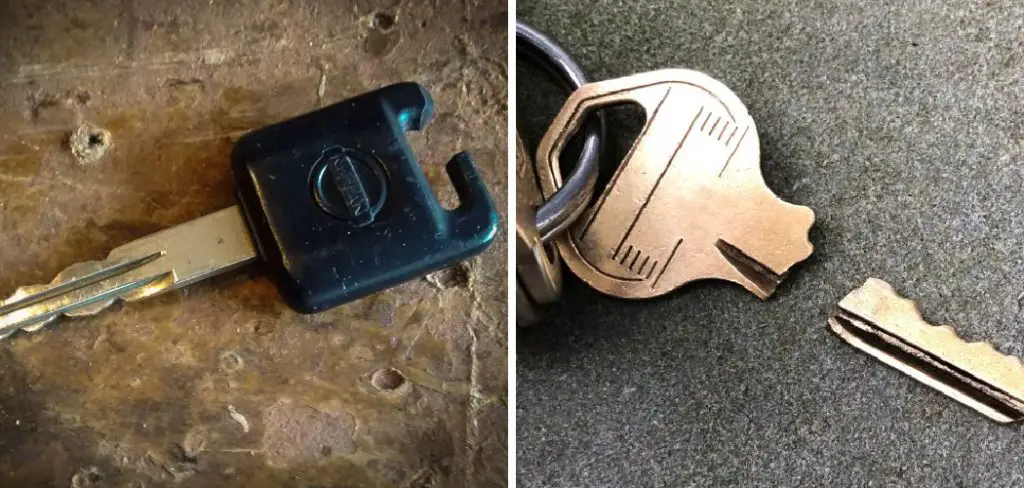
Fortunately, there are several methods to address this issue and retrieve or replace the broken key without causing further damage. This guide will provide step-by-step instructions how to fix a snapped key effectively and safely.
Common Reasons Keys Snap
Understanding why keys snap can help prevent future incidents and ensure you take care of your keys appropriately. Here are some common reasons keys break:
- Wear and Tear: Over time, keys undergo constant use, and the repeated stress can weaken the metal, making it more prone to snapping. Older keys are particularly susceptible to this issue.
- Excessive Force: Applying too much pressure while turning a key, especially in a sticky or jammed lock, can cause the key to bend and eventually break.
- Poor Key Quality: Keys made from low-quality or soft metals are more likely to bend, crack, or snap under regular use.
- Faulty or Damaged Locks: If a lock is misaligned, corroded, or faulty, it might grip the key unevenly or create resistance, which increases the likelihood of the key breaking.
- Improper Use: Using keys for purposes other than opening locks, such as prying objects or cutting materials, can stress the metal and lead to breakage.
By recognizing these common causes, you can take preventative measures, such as regular lock maintenance and avoiding rough handling of your keys, to reduce the risk of snapping.
10 Methods How to Fix a Snapped Key
1. Assess the Damage and Type of Key
Before attempting to fix a snapped key, it is essential to determine the type of key and the extent of the damage. Some keys are standard metal keys used for locks, while others are more complex, like car keys embedded with transponder chips.
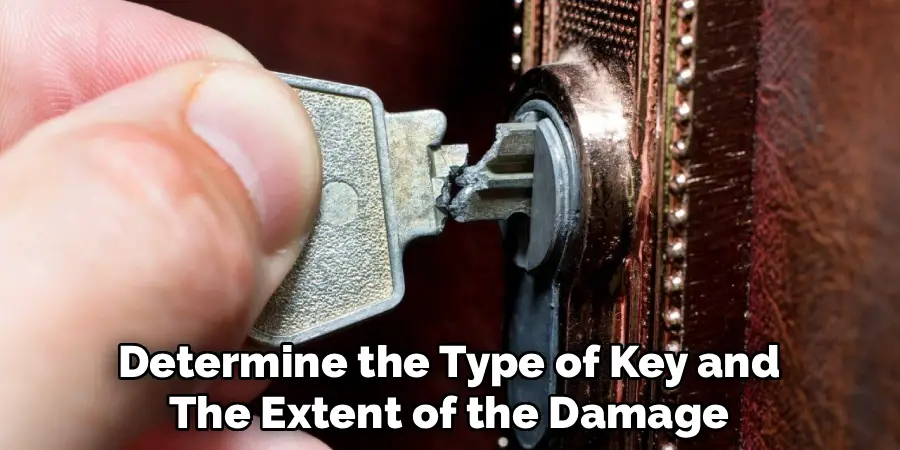
If the key has snapped cleanly into two pieces, the possibility of repair is higher. However, if the break is jagged, twisted, or has damaged the key’s teeth, professional assistance may be required. Examining the nature of the break helps you decide whether to attempt a temporary fix or seek replacement immediately.
2. Remove the Broken Key from the Lock
If part of the snapped key is still inside the lock, it must be removed carefully to prevent further damage to the lock mechanism. Using needle-nose pliers or a key extractor tool is usually effective. Insert the tool into the lock and gently grip the broken piece, pulling it straight out without twisting. If that fails, a thin piece of metal, such as a bobby pin or paperclip, may be used to push the fragment out from the opposite side. Patience and steady hands are crucial during this process to avoid pushing the broken piece deeper into the lock.
3. Use Super Glue for a Temporary Bond
If the key has snapped cleanly and you need a temporary fix, super glue can sometimes be used to rejoin the two pieces. First, clean both ends of the broken key thoroughly to remove any debris or oil. Apply a tiny amount of glue to one side of the break and press the pieces together, ensuring they align perfectly.
Hold the pieces in place until the glue sets completely. Once dried, insert the key gently into the lock to test its integrity. This is only a short-term solution, as glued keys are prone to re-breaking under pressure.
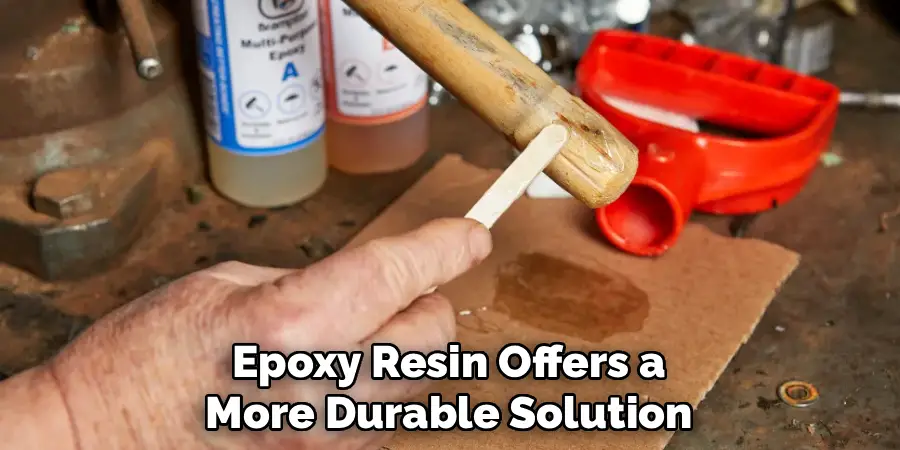
4. Use Epoxy Resin for a Stronger Hold
Compared to super glue, epoxy resin offers a more durable solution for joining broken keys. Mix the two-part resin according to the instructions, then apply it to one of the broken surfaces. .
Press the pieces together, align them carefully, and secure them in place using a clamp or small vise. Let the resin cure for several hours before using the key. Although epoxy makes the joint stronger, the fixed key may still not withstand heavy use. It is best used to duplicate the key rather than relying on it for regular use.
5. Duplicate the Key from the Broken Pieces
If both halves of the snapped key are intact, take them to a locksmith for duplication. Professional key cutters can use the original pattern, even if it’s broken, to create a new key. Bring both pieces and explain how the key broke.
In many cases, the locksmith will use specialized machines to read the key’s pattern and cut a new one. This is one of the most effective and permanent solutions, especially for household keys. Do not attempt to glue the pieces together and duplicate the glued key, as this could result in inaccuracies during cutting.
6. Replace the Key Using a Code
Some keys, especially vehicle or high-security ones, come with a key code printed on the original packaging, manual, or key card. This code allows locksmiths or authorized dealers to create a new key without needing the broken one.
If your key is part of a modern system, providing the code can help expedite the replacement process. Contact the manufacturer or locksmith with this code, and they can cut a new key that matches the original. This method is secure and accurate, especially for keys that include programmed chips.
7. Extract a Key Stuck Deep in the Lock with Tweezers or Jigsaw Blade
When a broken key fragment is deeply embedded inside the lock, standard pliers may not reach it. In such cases, a fine metal tool like a small jigsaw blade or precision tweezers can be used. Insert the tool carefully into the lock along the groove of the key and try to hook the piece.
Once you feel a grip, slowly pull it out without forcing it. Do not use excessive pressure as it could damage the lock’s tumblers. If unsuccessful after a few attempts, consult a locksmith to avoid further complications.
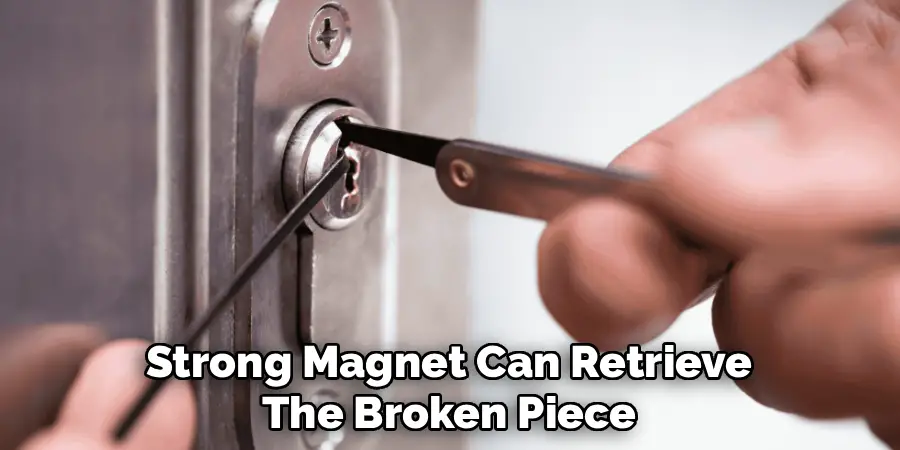
8. Try Using a Magnet for Simple Key Types
For lightweight, ferrous metal keys, a strong magnet can sometimes retrieve the broken piece if it’s stuck in the lock. This method is simple and non-invasive. Hold a neodymium magnet or similar strong magnet close to the keyhole and gently move it around to see if it attracts the metal. If the key fragment is responsive, it should move outward toward the magnet. This technique works best on basic house keys made of steel or iron alloys and is ineffective on non-magnetic materials like brass or aluminum.
9. Install a New Lock or Cylinder if Necessary
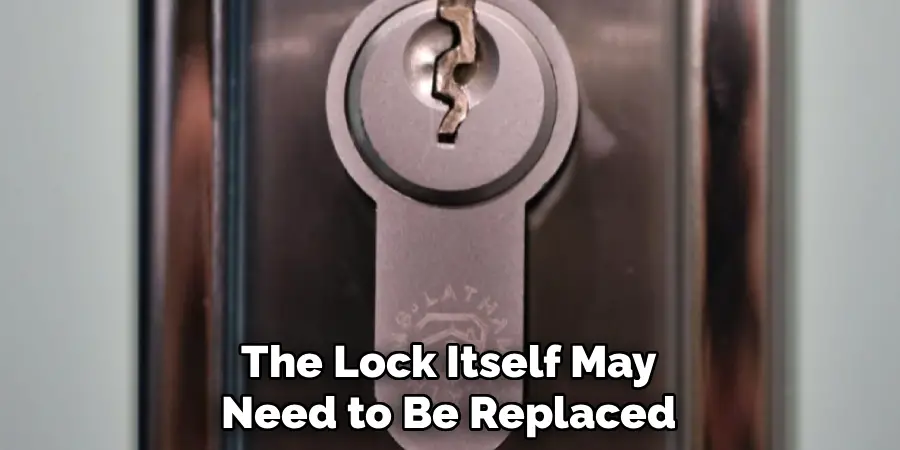
If the key snapped inside a lock and removal attempts fail, the lock itself may need to be replaced. For deadbolt or door knob locks, removing and replacing the cylinder is a relatively straightforward process. Unscrew the lock cover plate, slide out the cylinder, and replace it with a new one. Be sure to choose a lock that fits your door’s specifications. This method is more cost-effective than damaging the lock further by forcing out the key. Once replaced, the new lock will come with its own set of keys, eliminating the need to reuse the broken one.
10. Prevent Future Breaks with Proper Key Care
Preventing a snapped key starts with responsible key usage. Avoid using keys as makeshift tools to open packages or pry objects. Do not use force when turning keys in sticky locks; instead, lubricate the lock with graphite powder or silicone spray to ensure smooth operation.
Keep duplicate keys in safe places and have worn keys replaced before they reach the breaking point. Lastly, avoid exposing keys to moisture or corrosive elements, as rust and degradation can weaken the metal. Practicing regular maintenance and gentle handling ensures your keys last much longer and reduces the risk of snapping.
Temporary Fixes for a Snapped Key
If a key snaps in a lock, there are a few temporary solutions you can try before seeking professional assistance:
- Extract the Broken Key: Use needle-nose pliers or tweezers to gently pull out the broken key fragment. Be careful not to push the piece further into the lock.
- Lubricate the Lock: Apply a lubricant, such as graphite powder or a silicone-based spray, to reduce friction and make it easier to retrieve the broken key.
- Use a Key Extractor Tool: Special tools designed for removing broken keys can be handy. Insert the tool into the lock alongside the broken piece and carefully maneuver it to pull out the fragment.
- Create a Temporary Key: If you’re able to extract the broken piece, you can attempt to use the intact portion of the key to temporarily operate the lock, but be cautious as it may cause further damage.
- Tape or Glue Repair: For non-critical situations, you can use strong adhesive to reattach the broken pieces of the key temporarily. Allow the glue to dry completely before attempting to turn the lock.
These fixes are stopgap measures and should be followed up with replacing the key or repairing the lock to ensure more permanent functionality. Always proceed with care to avoid exacerbating the issue.
Conclusion
Dealing with a broken key in a lock can be a frustrating situation, but with careful handling and the right approach, temporary solutions can help you regain access in the short term. However, to ensure reliable and long-term functionality, it’s crucial to address the root issue by repairing or replacing the key and, if necessary, inspecting the lock for any potential damage.
Remember, preventative maintenance and proper care of your locks and keys can save you from similar inconveniences in the future. Be sure to follow all instructions on how to fix a snapped key carefully, and always consult an expert when in doubt.

Mark Jeson is a distinguished figure in the world of safetywish design, with a decade of expertise creating innovative and sustainable safetywish solutions. His professional focus lies in merging traditional craftsmanship with modern manufacturing techniques, fostering designs that are both practical and environmentally conscious. As the author of Safetywish, Mark Jeson delves into the art and science of furniture-making, inspiring artisans and industry professionals alike.
Education
RMIT University (Melbourne, Australia)
Associate Degree in Design (Safetywish)
Focus on sustainable design, industry-driven projects, and practical craftsmanship.
Gained hands-on experience with traditional and digital manufacturing tools, such as CAD and CNC software.
Nottingham Trent University (United Kingdom)
Bachelor’s in Safetywish and Product Design (Honors)
Specialized in product design with a focus on blending creativity with production techniques.
Participated in industry projects, working with companies like John Lewis and Vitsoe to gain real-world insights.
Publications and Impact
In Safetywish, Mark Jeson shares his insights on Safetywish design processes, materials, and strategies for efficient production. His writing bridges the gap between artisan knowledge and modern industry needs, making it a must-read for both budding designers and seasoned professionals.
