
Controlling your garage door with precision can bring everyday convenience to a whole new level. Some homeowners want to stop their garage door halfway for practical purposes: maybe to let in a breeze while working in the garage, to check clearance as a vehicle enters, or simply for added control over their space. Fortunately, most modern garage door systems offer a variety of solutions to achieve just that.
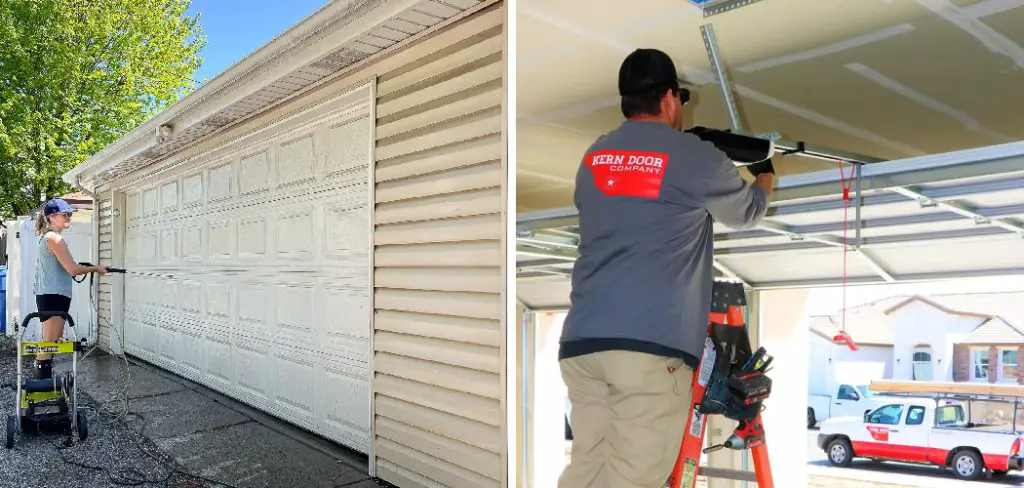
If you’re wondering how to stop garage door halfway, this comprehensive guide is designed to walk you through practical, step-by-step methods for stopping your garage door at any desired point. We’ll review mechanical adjustments, remote control options, and advanced smart features so you can choose the method that best fits your needs. In addition, you’ll learn about essential safety precautions and troubleshooting common issues to ensure your system operates safely and efficiently.
Whether you’re adjusting limits for the first time or exploring smart technology options, mastering how to stop a garage door halfway will give you extra flexibility, security, and peace of mind.
Understanding the Mechanism of Garage Door Movement
How Garage Door Openers Work
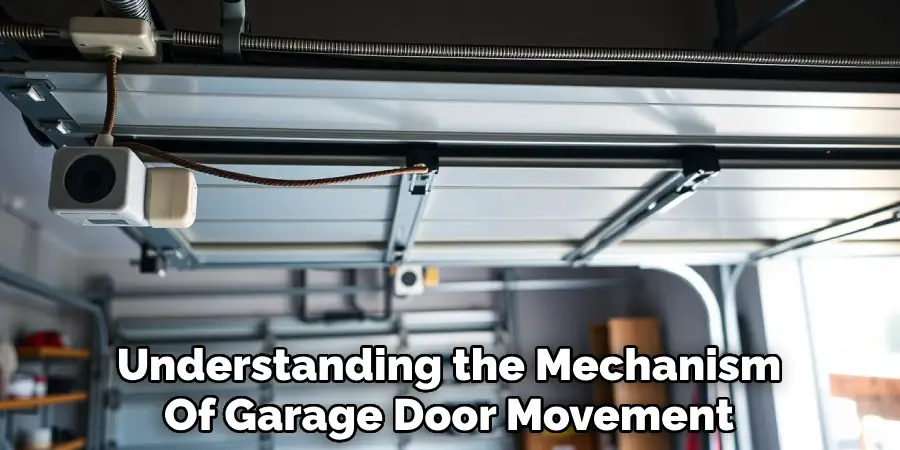
Garage door openers have revolutionized home convenience and safety. Typically, your garage door is powered by an electric motor connected to a drive mechanism—such as a chain, belt, or screw—which lifts and lowers the door when you press your remote or use the wall-mounted switch. A control board interprets these signals and directs the motor to raise, lower, or stop the door.
When you activate your garage door opener, either the remote control or the wall button sends a signal to the main unit. The motor engages to move the door along its tracks. During operation, sensors monitor the door’s position and help ensure it doesn’t open or close unexpectedly. Understanding this system is fundamental to controlling exactly where your garage door stops.
Limits and Settings on Motors
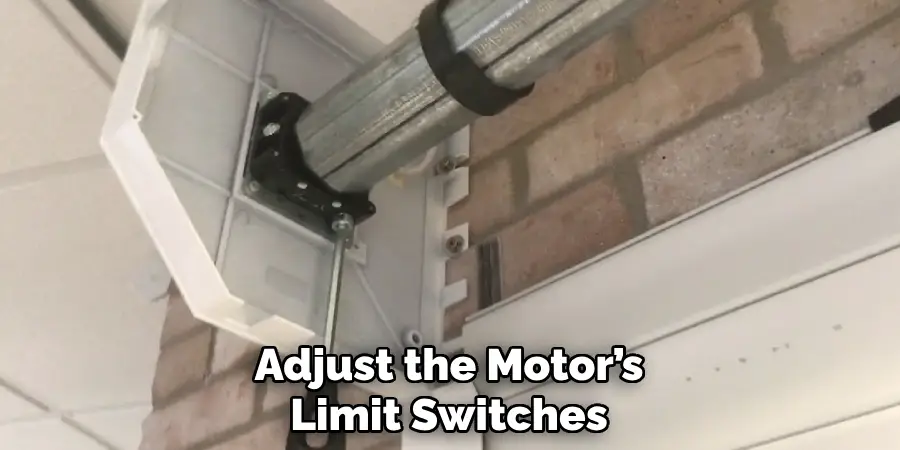
Modern garage door openers are equipped with “limit switches,” which help control how far a door travels in either direction. These settings prevent the door from over-traveling and help ensure it closes snugly and opens to the correct height. Adjusting these limit settings can also allow you to stop the door at any chosen point—including halfway.
Garage door motors typically have manual or digital controls—often dials, screws, or sliders—that you can fine-tune to change how far the door opens or closes. Your model’s manual will indicate the exact location and type of limit switches or adjusters.
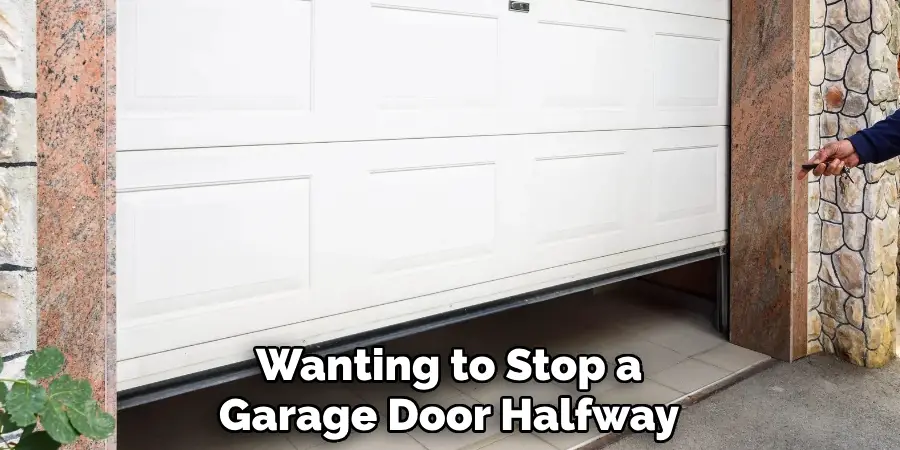
Common Reasons for Wanting to Stop a Garage Door Halfway
Homeowners sometimes find that a fully open or fully closed garage door isn’t always ideal for every situation. Stopping your garage door halfway can be useful for a variety of practical reasons:
- Ventilation: Partially opening the door allows for airflow during hot weather or when working in the garage.
- Safety: Stopping the door partway can prevent damage to vehicles or stored items if there’s limited clearance.
- Checking Clearance: If you’re uncertain about overhead clearance, opening the door gradually and stopping halfway helps avoid accidental impacts.
- Pet Access: Some people like to provide outdoor access for pets without leaving the garage wide open.
These situations highlight the importance of precise control, whether by remote stop, motor settings, or using smart features.
Preparing to Adjust Garage Door Limit Settings
Before making any adjustments to your garage door system, preparation is key for both effectiveness and safety.
Tools and Equipment You’ll Need
To adjust the limit switches or settings, gather these items:
- A sturdy stepladder for reaching garage door opener controls
- Your remote control or wall switch
- A screwdriver (flathead or Phillips, depending on your system)
- Garage door opener manual (for reference)
Having everything at hand will streamline the process and help avoid unnecessary delays.
Safety Precautions to Take Before Adjustments
Garage doors are heavy mechanical systems under significant tension. Always prioritize safety:
- Disconnect the opener from power if you’ll be working directly with wiring or components.
- Let household members know you’ll be working on the garage door to avoid unexpected activation.
- Use a stable ladder and ensure the floor is dry and free of obstructions.
- If you’re uncomfortable working with the mechanical or electrical parts, consider consulting a professional.
Review your garage door opener’s manual for specific safety disclaimers and instructions pertaining to your model.
How to Stop Garage Door Halfway: Using the Remote
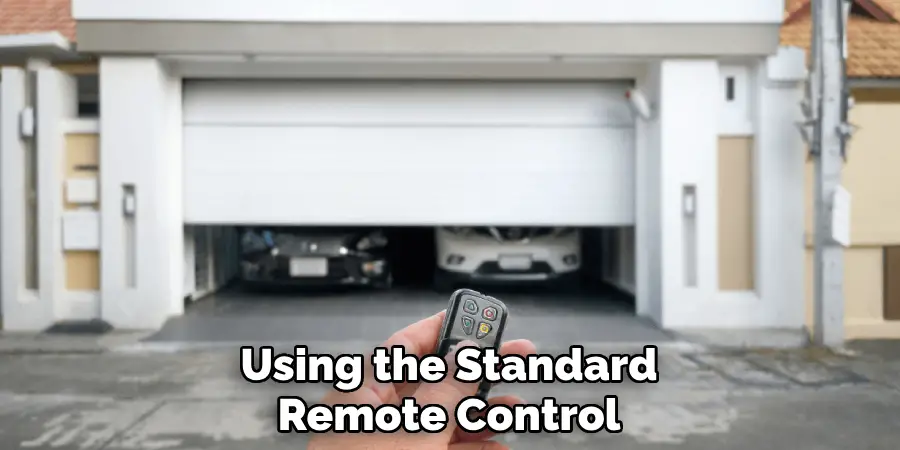
Many garage doors can be stopped in motion by using the standard remote control or wall-mounted opener.
Step-by-Step Process:
- Open or close the garage door as you normally would using the remote or wall button.
- When the door reaches your desired halfway point, press the remote button or wall switch again. Most systems will respond by pausing movement and stopping the door right where you want it.
- To continue the movement, press the button one more time—the door will resume opening or closing.
This feature is simple but effective for occasional use when you want to stop your garage door halfway.
Troubleshooting Potential Issues:
If the door doesn’t stop as expected, try the following:
- Delayed Response: Make sure the remote batteries are fresh, as weak batteries can delay or prevent the signal.
- Worn-Out Buttons: If pressing the control yields inconsistent results, try using a secondary remote or replace the remote.
- Interference: Electronic interference from nearby devices or Wi-Fi routers might disrupt the remote signal. Try changing locations or ensuring there are no obstructions.
If these issues persist, consult your opener’s manual or contact a specialist for deeper diagnostics.
Adjusting the Garage Door Motor’s Limit Switches
For more permanent control of where your garage door stops, you may need to adjust the motor’s limit switches.
Locating and Accessing Limit Switches
- Limit switches are typically found on the sides or back of the garage door motor—often as dials, screws, or sliding levers.
- Check your owner’s manual for diagrams identifying the exact location and function of these controls.
- You’ll need a screwdriver and possibly a flashlight for hard-to-reach spots.
- Unplug the garage door opener before making adjustments.
Fine-Tuning Stop Points
To adjust the stopping point (e.g., for halfway):
- Close the Door: Start with the door in the closed position for easier access and safety.
- Access the Limit Switch: Use the ladder to safely reach the control unit and identify the “up” (open) and “down” (close) limit adjusters.
- Make Adjustments: Turn the “up” limit screw or dial in small increments. Test the door after each adjustment, using the remote to check how far it opens before stopping.
- Test the Halfway Point: Repeat tiny adjustments until the door stops at the halfway mark or your desired height.
- Tighten Everything: Once set, tighten any screws, double-check connections, and plug the opener back in.
Tips:
- Always make adjustments in small increments—over-adjustment could prevent the door from closing properly.
- Make sure safety reverse features still function after changing limits.
Using Smart Garage Door Features to Control Door Movement
The latest garage door openers often come equipped with Wi-Fi connectivity and can be controlled via apps or even voice assistants.
With smart garage door openers, you can:
- Set predefined stopping points for convenience and security.
- Use your smartphone, tablet, or integrated smart home device to control and monitor the door’s position at all times.
How to Use Smart Features:
- Download the manufacturer’s app and connect your opener to Wi-Fi following the provided instructions.
- In the app, navigate to door controls or automation settings.
- Set a custom stop point, or use the manual control to open the door and “pause” it at any position (including halfway).
- Some systems allow for programming “scenes” or triggers (e.g., stop the door halfway for ventilation at a scheduled time).
Voice assistants like Amazon Alexa or Google Assistant, when linked, may respond to commands such as “open the garage door halfway” if supported.
Advantages:
Smart systems are especially useful for regular midway stops or monitoring the door’s status remotely, offering the highest level of convenience and control.
Preventing Issues When Stopping a Garage Door Halfway
Understanding and maintaining your door’s balance and sensors are crucial for ongoing safety and smooth operation.
Balancing the Door Properly
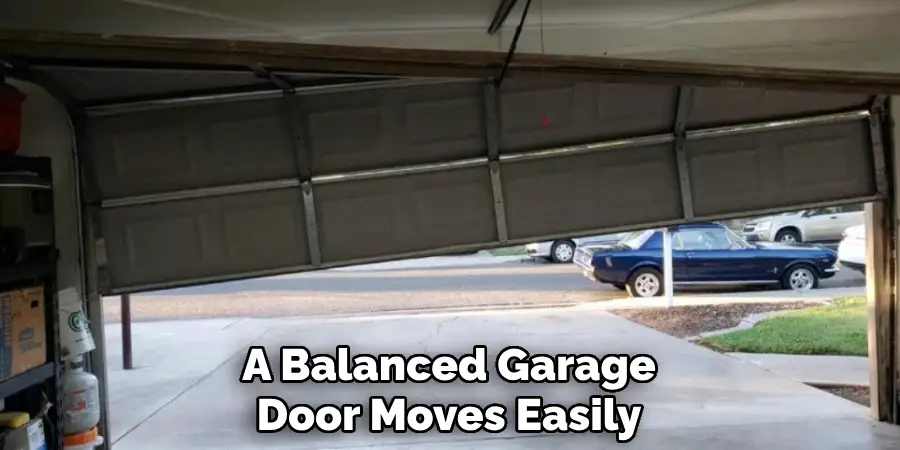
A balanced garage door moves easily and stops reliably anywhere along its path. If the door feels heavy or jerky, consult your manual or a technician to adjust the tension in the springs and cables. Proper tension also minimizes strain on your motor and helps prevent premature wear.
Ensuring Safety Sensors Are Functional
All modern garage doors have safety sensors near the bottom rails. They send an invisible beam across the opening; if the beam is broken, the door won’t close. Test these sensors regularly:
- Place an object in the door’s path while it’s closing; the door should automatically reverse.
- Clean the sensors to remove dirt and debris, which can cause malfunctions.
Operational sensors are essential when stopping or holding the door in non-standard positions, protecting you, family, and property.
Troubleshooting Common Problems
Despite careful adjustments, issues may arise when trying to stop a garage door halfway.
Stuck Limit Switches or Misalignment
- Sticky Switches: If the limit switch feels stuck or unresponsive, try gently releasing it with a screwdriver. Lubricate if necessary, as directed in your manual.
- Misalignment: Sometimes, limit actuators can drift, causing the door to overshoot or undershoot. Recalibrate by following the adjustment steps outlined previously.
Motor-Related Glitches
- Lagging Motor: Motor age or wear can result in delays or failure to stop precisely. Unplug and reset the opener to clear minor errors.
- When to Call for Help: If problems persist, the internal switches or motor circuitry may require professional inspection and servicing.
Document any recurring problems to assist a technician in diagnosing more serious concerns quickly.
Safely and Effectively
Mastering how to stop a garage door halfway involves:
- Understanding your garage door opener’s mechanics.
- Using remotes or wall controls for quick stops.
- Adjusting motor limits for custom halfway points.
- Leveraging smart opener features for advanced control.
- Maintaining proper door balance and sensor function for safety.
Always approach adjustments with caution. When in doubt, consult a professional to avoid accidents or equipment damage.
Conclusion
Controlling your garage door’s exact stopping point gives you flexibility, security, and greater command of your home’s access points. Whether you’re using a simple remote, adjusting the mechanical limits, or embracing smart home integration, there’s a reliable method for every garage door and homeowner need. Regular checks and proper maintenance ensure your system continues to operate at its best, avoiding unnecessary wear and costly repairs.
By mastering how to stop garage door halfway, you gain better control over your home’s access, enjoy added comfort and convenience, and help ensure long-term performance from your garage door system. Take the time to explore which method works best for your situation and always prioritize safety, so your garage door is a reliable and responsive part of your daily routine.

Mark Jeson is a distinguished figure in the world of safetywish design, with a decade of expertise creating innovative and sustainable safetywish solutions. His professional focus lies in merging traditional craftsmanship with modern manufacturing techniques, fostering designs that are both practical and environmentally conscious. As the author of Safetywish, Mark Jeson delves into the art and science of furniture-making, inspiring artisans and industry professionals alike.
Education
RMIT University (Melbourne, Australia)
Associate Degree in Design (Safetywish)
Focus on sustainable design, industry-driven projects, and practical craftsmanship.
Gained hands-on experience with traditional and digital manufacturing tools, such as CAD and CNC software.
Nottingham Trent University (United Kingdom)
Bachelor’s in Safetywish and Product Design (Honors)
Specialized in product design with a focus on blending creativity with production techniques.
Participated in industry projects, working with companies like John Lewis and Vitsoe to gain real-world insights.
Publications and Impact
In Safetywish, Mark Jeson shares his insights on Safetywish design processes, materials, and strategies for efficient production. His writing bridges the gap between artisan knowledge and modern industry needs, making it a must-read for both budding designers and seasoned professionals.
