
Bifold doors are a functional and stylish addition to many homes, but when the bottom pivot becomes loose or damaged, the door may stop functioning smoothly. If left unchecked, this minor issue can escalate, causing more severe damage to the door or its frame. Understanding how to fix bifold door bottom pivot is essential for anyone looking to maintain the longevity and functionality of their doors without resorting to expensive professional repairs.
Begin by inspecting the bottom pivot to identify the issue. Check if the pivot pin is loose, bent, or broken, as these are common causes of malfunction. If the pin is loose, tighten it using a screwdriver or wrench, depending on the type of hardware. For bent or broken pins, you will need to replace them. To do this, remove the door from its track by folding it and lifting it off the pivot bracket. Once removed, replace the damaged pin with a new one of the same size and style, ensuring it fits securely. Reinstall the door carefully, aligning it with the track and pivot bracket to ensure seamless operation.
This guide will walk you through the process of identifying and fixing common issues with the bottom pivot. Whether you’re dealing with a door that won’t close properly or one that’s completely off track, these practical steps will help you restore your bifold door quickly and easily, even if you’re a beginner.
Why Fixing a Bifold Door Bottom Pivot is Important
The bottom pivot is a crucial part of a bifold door’s mechanism—it supports the door’s weight and allows for smooth folding and unfolding. If the pivot is worn out or damaged, the entire door can become misaligned, making it difficult to operate or, worse, causing damage to the floor or door frame. Ignoring the problem could lead to permanent damage, requiring a full door replacement.
By learning how to fix this simple but vital component, you can avoid major repairs and ensure your doors continue to function as they should. A well-maintained bottom pivot means smoother operation, increased durability of the door system, and enhanced overall safety.
Necessary Tools
To complete the repair and maintenance, ensure you have the following tools on hand:
- Screwdriver (Phillips and flathead)
- Adjustable wrench
- Lubricating oil or spray
- Allen wrench set
- Level
- Cleaning cloths
- Step ladder (if needed)
Step-by-Step Guide on How to Fix Bifold Door Bottom Pivot
If your bifold door isn’t functioning correctly, the bottom pivot is often the culprit. Below is a beginner-friendly guide on how to fix bifold door bottom pivot issues. Follow these steps to restore your door’s smooth operation.
Step 1: Assess the Problem
Before you start, closely inspect the bifold door to identify what’s wrong. Is the pivot sticking out, loose, or broken? Check the bottom pivot bracket for damage or misalignment. Take note of whether the door sags or fails to stay on track—these are clear signs the bottom pivot needs attention.
Step 2: Prepare Your Tools
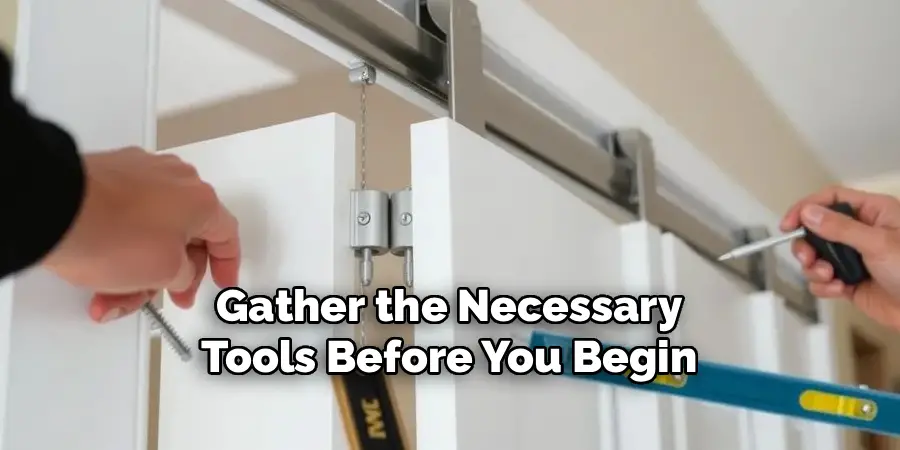
Gather the necessary tools before you begin. You’ll typically need a screwdriver, pliers, a hammer, a wrench, and a replacement pivot set if the existing one is damaged. Having everything ready will save time and help you work efficiently.
Step 3: Remove the Door
Carefully remove the bifold door from its track. To do this, tilt the door slightly upwards to release the top pivot pin and then lift it off the bottom pivot. Place the door flat on a stable surface to prevent further damage while you work.
Step 4: Inspect the Bottom Pivot Bracket
The bottom pivot bracket holds the pivot pin in place. Examine the bracket for any signs of wear, bending, or cracks. If it’s in bad shape, you’ll need to replace it. For minor misalignments, reposition the bracket correctly and tighten the screws.
Step 5: Replace the Pivot Pin
Check whether the pivot pin is bent, rusted, or stripped. If it’s damaged, remove it using pliers or a wrench and replace it with a new one. Ensure that the replacement pin matches the original in size and type for a proper fit.
Step 6: Adjust the Bottom Pivot Bracket
Even a well-functioning pivot pin won’t help if the bracket is out of place. Use a screwdriver to adjust the bracket’s position so that the pin aligns perfectly with the bottom of the door. Ensure the bracket is flush against the floor and stable.
Step 7: Reinstall the Door
With the pivot fixed and aligned, it’s time to reinstall the bifold door. Start by positioning the bottom pivot pin into the bracket. Then align the top pivot pin with its track. Once both pivots are secured, check that the door folds and unfolds smoothly.
Step 8: Test the Door Alignment
Open and close the door several times to ensure everything works properly. If the door still seems off, you may need to readjust the bottom pivot bracket or tighten the screws further.
Step 9: Lubricate Moving Parts
To enhance the door’s functionality and prevent future issues, lightly oil the pivot pins and brackets. This reduces friction and ensures smoother movements with minimal wear and tear.
Step 10: Perform Final Checks
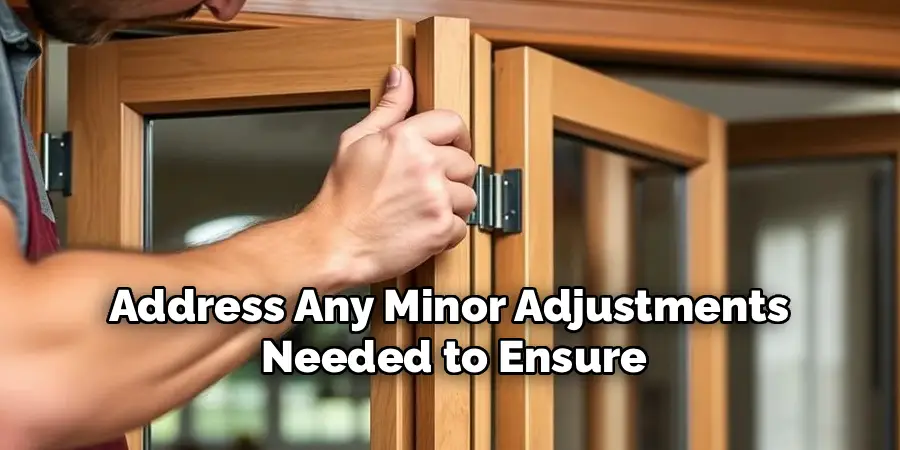
After completing the repair, double-check that all components are secure and working as intended. Address any minor adjustments needed to ensure your door operates flawlessly.
Tips for Preventing Future Issues
Proper maintenance is key to extending the lifespan of your door and preventing recurring problems. Here are some tips to keep your door functioning smoothly over time:
Regular Cleaning
Dust and debris can accumulate in tracks and hinges, causing unnecessary wear. Wipe these areas down with a cleaning cloth at least once a month to keep them clear.
Routine Lubrication
Apply a thin layer of lubricating oil or spray to moving parts such as hinges, rollers, and tracks. This reduces friction and helps the door operate quietly and efficiently.
Inspect for Damage
Periodically check for damage or wear and tear, such as loose screws, cracks, or warped components. Addressing these issues early can prevent larger problems from developing.
Tighten Hardware
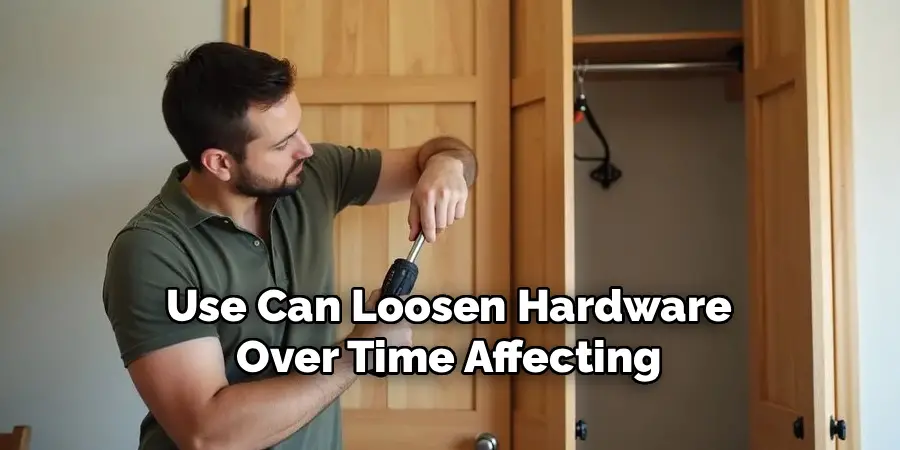
Use the appropriate tools to routinely tighten all screws, nuts, and bolts. Frequent use can loosen hardware over time, affecting the door’s stability and alignment.
Monitor Door Alignment
A misaligned door can strain the components and make operation difficult. Use a level to periodically check alignment and make quick adjustments as needed.
By following these preventative measures, you can reduce the likelihood of costly repairs and enjoy a door that operates smoothly for years to come.
Frequently Asked Questions Section
What is a bifold door bottom pivot?
A bifold door bottom pivot is a crucial component that supports the door and allows it to fold and unfold smoothly. Located at the base of the door, it works in conjunction with the top pivot and track hardware. Proper installation and maintenance of the bottom pivot are essential for the smooth operation of bifold doors.
Why does my bifold door keep coming off the track?
This issue usually happens due to a misaligned bottom pivot bracket or a damaged pivot pin. The bracket may have shifted over time, or screws could have come loose. It’s essential to inspect these components and make any necessary replacements or adjustments to keep the door on track.
Can I fix a bifold door bottom pivot without professional help?
Yes, most bottom pivot issues can be resolved without professional help, especially if you follow a detailed guide. With basic tools like a screwdriver, pliers, and a replacement pivot set, even beginners can handle the repair process.
How do I know if my bottom pivot bracket needs replacing?
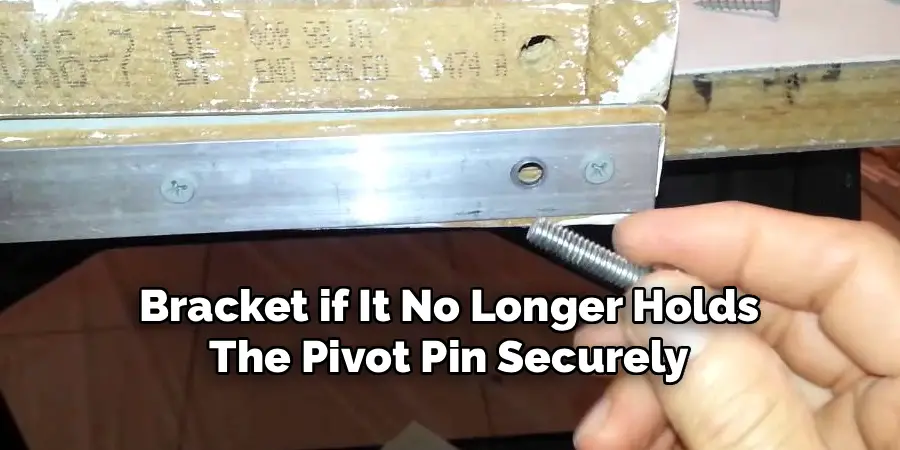
If the bracket is visibly damaged, rusted, or cracked, it needs replacing. You should also replace the bracket if it no longer holds the pivot pin securely, as this can result in the door sagging or coming off its track.
How often should I maintain my bifold door pivots?
Inspect and maintain your bifold door pivots at least once a year to keep them functioning smoothly. Regularly lubricate moving parts and check for wear and tear to avoid major issues.
Conclusion
Fixing a bifold door bottom pivot is a simple task that anyone can tackle with the right guidance. By understanding the role of the pivot and addressing problems like misalignment or wear and tear, you can restore your door’s smooth operation without costly professional repairs. Following this step-by-step guide ensures you’ll know precisely how to fix bifold door bottom pivot issues effectively.
Additionally, consistent maintenance is key to extending the lifespan of your bifold door. Cleaning the tracks regularly to remove dust and debris will prevent obstruction and ensure seamless operation. Pair this with occasional inspections to catch potential issues early, and your door will remain in optimal condition for years to come.
Don’t let a small problem with your bifold door bottom pivot turn into a bigger headache. Take action today and enjoy the benefits of a fully functional and reliable door system!

Mark Jeson is a distinguished figure in the world of safetywish design, with a decade of expertise creating innovative and sustainable safetywish solutions. His professional focus lies in merging traditional craftsmanship with modern manufacturing techniques, fostering designs that are both practical and environmentally conscious. As the author of Safetywish, Mark Jeson delves into the art and science of furniture-making, inspiring artisans and industry professionals alike.
Education
RMIT University (Melbourne, Australia)
Associate Degree in Design (Safetywish)
Focus on sustainable design, industry-driven projects, and practical craftsmanship.
Gained hands-on experience with traditional and digital manufacturing tools, such as CAD and CNC software.
Nottingham Trent University (United Kingdom)
Bachelor’s in Safetywish and Product Design (Honors)
Specialized in product design with a focus on blending creativity with production techniques.
Participated in industry projects, working with companies like John Lewis and Vitsoe to gain real-world insights.
Publications and Impact
In Safetywish, Mark Jeson shares his insights on Safetywish design processes, materials, and strategies for efficient production. His writing bridges the gap between artisan knowledge and modern industry needs, making it a must-read for both budding designers and seasoned professionals.
