
Bifold doors are popular for their space-saving design and versatility. They’re commonly found in closets, laundry rooms, and pantries, offering easy access without taking up significant square footage. While these doors are convenient, securing them can be a concern for homeowners who want to keep contents safe or prevent pets and children from accessing certain areas.
If you’ve been searching for the best ways to keep your bifold doors locked, you’re in the right place. This guide will explore practical, beginner-friendly methods on how to lock a bifold door. Whether you’re safeguarding valuable belongings or maintaining boundaries in your home, mastering this task is both easier and more essential than you might think.
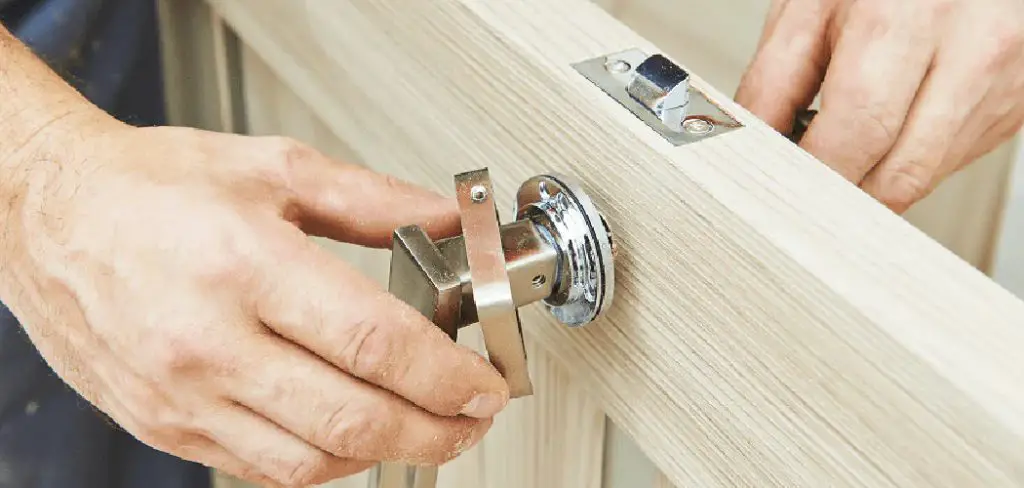
Why Is It Important to Lock a Bifold Door?
Locking a bifold door isn’t just about security; it’s about peace of mind and safety. For homeowners, especially those with curious children or pets, securing these doors ensures that off-limits spaces—like utility areas or places storing hazardous materials—remain inaccessible.
Locking a bifold door is also essential for safeguarding valuables stored in closets. You may also want a locking solution to organize or streamline access in shared living spaces, such as apartments or multi-occupancy homes. Plus, for external bifold doors that open to outdoor areas, security becomes even more critical to prevent unauthorized entry.
Finally, understanding how to lock a bifold door empowers you to manage your space better. Whether it’s preventing accidental damage to stored items or creating privacy, a reliable lock makes a tangible difference in day-to-day living.
Types of Bifold Locks
There are several effective types of locks available for bifold doors, each catering to different needs and levels of security. One common option is the hinged-style lock, which attaches to the bifold door panels and prevents the doors from folding open when engaged. These locks are easy to use and often come with durable materials suited for indoor use.
Another popular choice is the top slide bolt lock, which securely fastens the door by sliding a bolt into a mounted bracket at the top of the frame. This type of lock is particularly suitable for added security in areas like storage closets or utility spaces.
For those needing enhanced security, keyed locks provide a robust solution. These locks often integrate with the bifold door track and require a key to lock or unlock, making them ideal for external bifold doors or locations needing restricted access.
Lastly, modern smart locks are gaining popularity, enabling users to lock and unlock doors remotely via smartphone apps or keypads. These solutions are perfect for tech-savvy individuals wanting both convenience and advanced security. Each type of bifold lock offers unique benefits, and selecting the right one depends on your specific needs and preferences.
Step-by-Step Guide on How to Lock a Bifold Door
Securing your bifold door is a straightforward process. Follow these seven practical steps to ensure that your bifold doors remain securely locked and functional.
Step 1: Evaluate the Design and Structure of Your Door
Before purchasing or installing a lock, identify the material and design of your bifold door. Most bifold doors are made of lightweight wood, aluminum, or composites. They’re often installed with tracks and hinges that affect lock compatibility. Evaluate how the panels fold, as this will determine the kind of locking mechanism that works best.
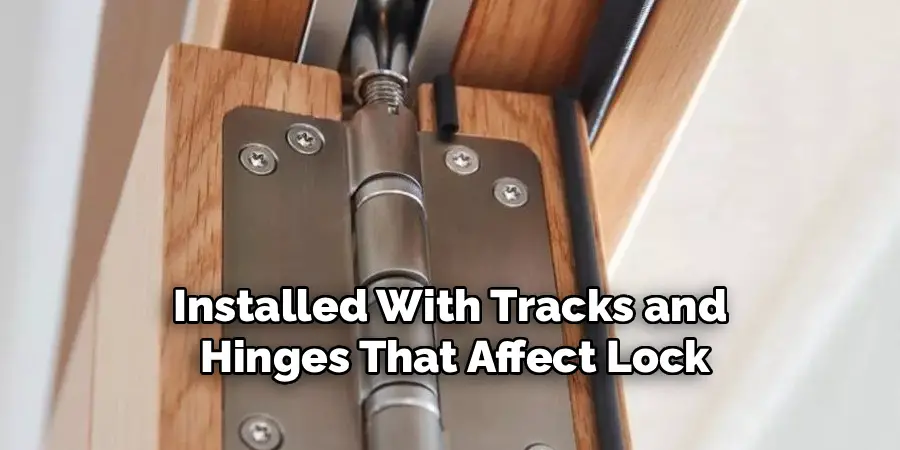
Determining the door thickness and observing how much space lies between the panels when closed is also essential. Knowing these factors will guide your lock selection and ensure a smooth installation process.
Step 2: Choose the Right Locking Mechanism
Once you’ve evaluated your door’s design, it’s time to select a suitable locking method. Some common options include latch-style locks, slide bolts, childproof locks, and keyed locks. For added security, consider locks specifically designed for bifold doors, as they’re typically more effective and easier to install.
Choose a lock system designed for your specific needs. For example, if you’re locking a door with limited space, a small latch lock might suffice. Alternatively, for maximum security, keyed locks or slide bolts are an excellent choice. Finding the right lock is crucial to ensuring longevity and effectiveness.
Step 3: Gather the Tools for Installation
Before you begin installing any lock, make sure you have the necessary tools. Depending on the type of lock you choose, you may need a screwdriver, drill, measuring tape, and possibly a pencil or marker for making placement marks.
If your lock requires more intricate installation, like creating new holes or fitting brackets, review the product manual and ensure you’ve prepared everything needed beforehand. Having the right tools not only saves time but also ensures a clean and accurate installation.
Step 4: Mark the Placement of the Lock
Once your tools are ready, it’s crucial to mark where the lock will be installed. Close the bifold door to observe where the panels meet and align precisely. Using a pencil or marker, position your lock and make small marks where screws or fasteners will be placed.
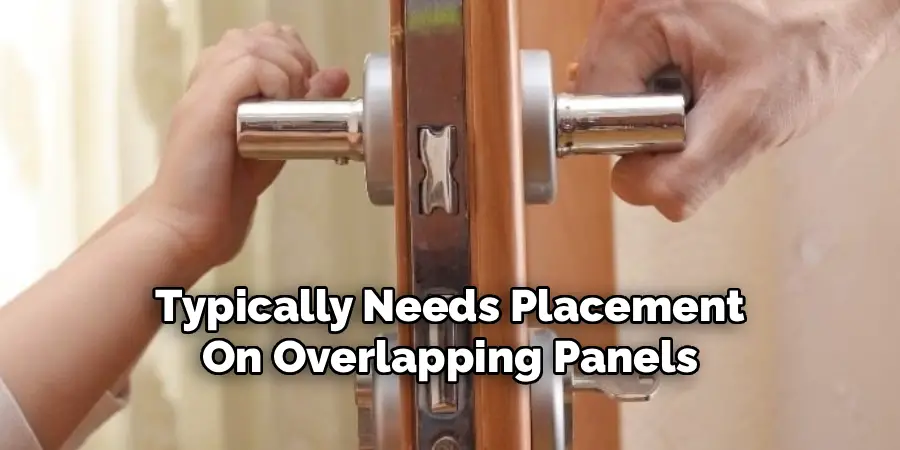
Ensure the marks are level and symmetrical for a professional finish. Placement depends on the lock type. For instance, a latch lock may require marking near the door’s edge, while a slide bolt typically needs placement on overlapping panels.
Step 5: Drill Pilot Holes (If Necessary)
Some locking mechanisms require drilling small pilot holes for screws. To achieve this, use a drill bit that matches the size of the screws provided. Carefully drill into the marks you created in the previous step. Pilot holes make securing the lock easier and reduce the risk of splitting softer door materials like wood or composites.
If drilling isn’t required for your lock, proceed with attaching the lock directly. Be cautious during this step to avoid damage to your door.
Step 6: Secure the Lock Mechanism
Now it’s time to attach the lock to the bifold door using screws, fasteners, or adhesive strips—depending on the type of lock. Follow the manufacturer’s instructions to ensure the mechanism fits snugly and securely.
For keyed locks or slide bolts, double-check that they operate smoothly. Latch or adhesive locks should also sit flush against the door panels without obstructing their functionality. Ensure everything is tightly fastened before moving on.
Step 7: Test the Lock to Ensure It Works Properly
The most important step is ensuring that your lock functions correctly. Close the bifold door and engage the locking mechanism. For keyed locks, test the key to determine that it locks and unlocks seamlessly. Latch or slide bolt mechanisms should hold the panels together firmly without leaving gaps.
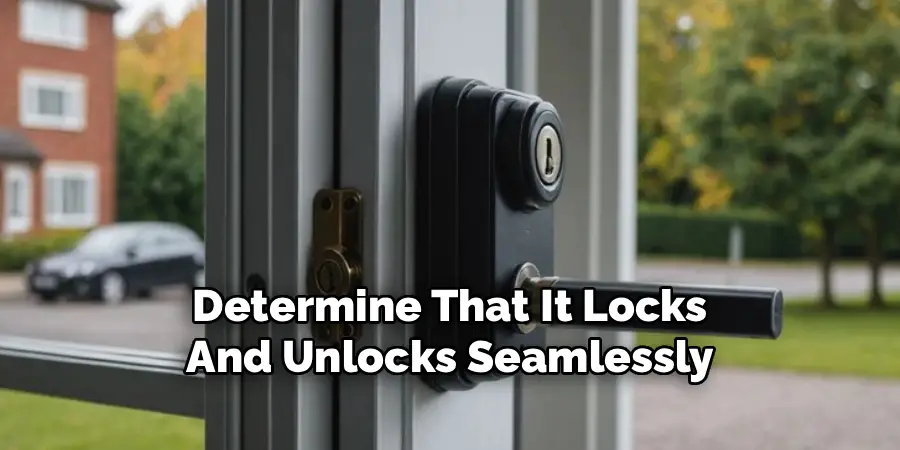
If the lock does not work as intended, adjust the positioning or tighten any loose screws. Proper testing helps you avoid frustration and ensures your door remains secure in the long term.
Step 8: Add a Safety Element for Children or Pets
If your main concern involves childproofing, consider adding an extra safety element, like a strap lock or top-mounted mechanism that small hands and paws cannot reach. Combining a childproof lock with a secondary locking solution ensures the door remains doubly secure.
While this step may not apply to every homeowner, it offers peace of mind for those dealing with younger family members or adventurous pets.
Step 9: Regularly Inspect and Maintain the Lock
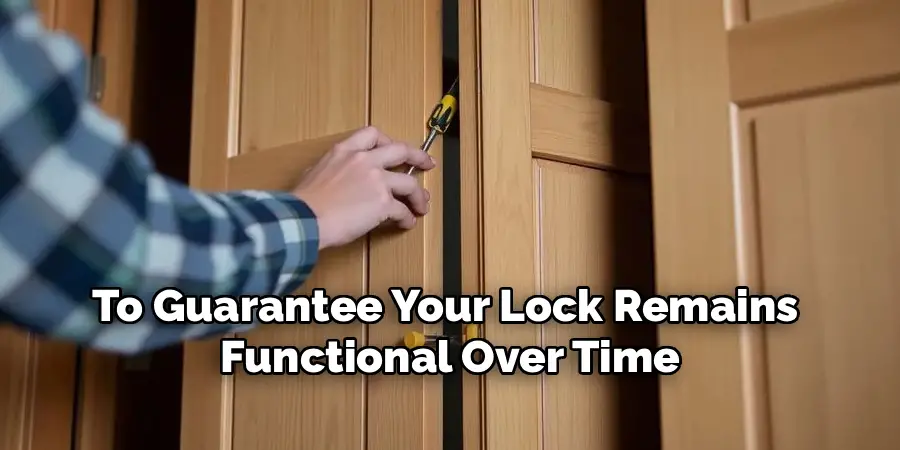
To guarantee your lock remains functional over time, examine it periodically for wear or loosening. Screws can shift, and mechanisms can wear out, especially in high-traffic areas. Tighten screws, clean the lock components, and replace any faulty parts as needed. Regular maintenance ensures long-lasting security for your bifold door.
Recommended Lock Brands and Products
When it comes to securing your bifold door, choosing the right lock is essential. Here are some trusted brands and products to consider:
- Schlage Bifold Door Locks – Known for their durability and innovative designs, Schlage offers a range of reliable locks ideal for bifold doors.
- Prime-Line Products – A popular choice for affordable and sturdy locking mechanisms, Prime-Line specializes in sliding and bifold door hardware.
- National Hardware – This brand provides high-quality locks with a focus on ease of installation and secure functionality.
- Wright Products – Renowned for their resilience and classic designs, Wright Products offers locks that fit seamlessly with a variety of door styles.
- Defender Security – Their bifold door lock options cater to added security needs while being budget-friendly.
Each of these brands delivers on reliability and ease of use, ensuring optimal safety and peace of mind for your home. Always ensure the chosen product fits your specific door dimensions and requirements.
Frequently Asked Questions Section
How Do I Lock a Bifold Door Without Drilling?
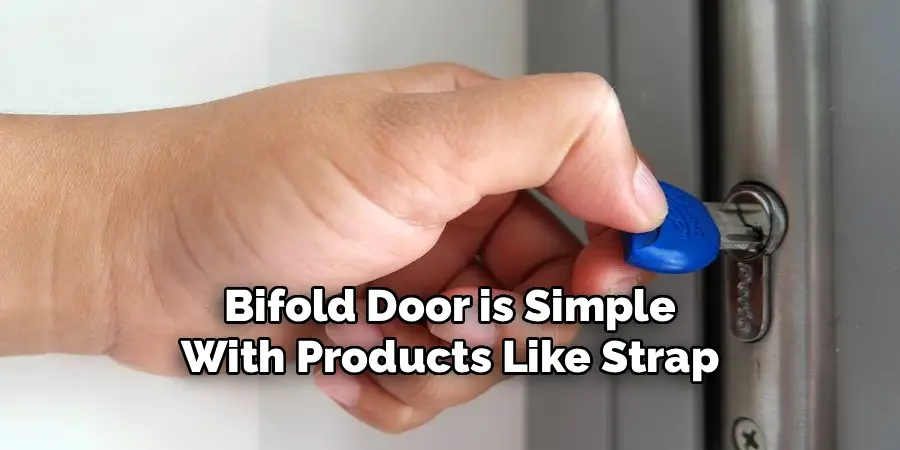
Many adhesive or strap-style locks work efficiently without the need for drilling. These locks are mounted directly onto the door surface using strong adhesive strips, making them ideal for renters or those hesitant to damage their door.
Can I Use a Standard Lock on Bifold Doors?
While standard keyed or latch locks may work in some cases, it’s better to use locks explicitly designed for bifold doors. These locks often have features that accommodate the door’s unique folding design.
Is It Possible to Childproof a Bifold Door?
Yes, childproofing a bifold door is simple with products like strap locks, top-mounted mechanisms, or soft plastic covers for edges. These methods are tailored to prevent unintended access while ensuring functionality.
What Should I Do If the Lock Fails?
If a bifold door lock fails, first confirm the issue by inspecting the mechanism. Loose screws, worn components, and misalignment are common causes. Tighten any loose parts or consider replacing the lock if damage is beyond repair.
How Do I Ensure My Lock Stays Secure Over Time?
Regularly inspect your lock for wear or damage. Tighten screws, clean mechanisms, and lubricate components, especially for slide or key locks. Taking these steps keeps the lock functional and reliable.
Conclusion
Understanding how to lock a bifold door is an essential skill for managing your home’s security, privacy, and safety. From evaluating your door’s design to selecting and installing the right locking mechanism, these steps are both beginner-friendly and effective. Regular maintenance ensures the lock remains secure over time.
Now that you know how to lock a bifold door, there’s no reason to wait. Start securing your space today by protecting your belongings, maintaining privacy, and creating a safer environment for all.

Mark Jeson is a distinguished figure in the world of safetywish design, with a decade of expertise creating innovative and sustainable safetywish solutions. His professional focus lies in merging traditional craftsmanship with modern manufacturing techniques, fostering designs that are both practical and environmentally conscious. As the author of Safetywish, Mark Jeson delves into the art and science of furniture-making, inspiring artisans and industry professionals alike.
Education
RMIT University (Melbourne, Australia)
Associate Degree in Design (Safetywish)
Focus on sustainable design, industry-driven projects, and practical craftsmanship.
Gained hands-on experience with traditional and digital manufacturing tools, such as CAD and CNC software.
Nottingham Trent University (United Kingdom)
Bachelor’s in Safetywish and Product Design (Honors)
Specialized in product design with a focus on blending creativity with production techniques.
Participated in industry projects, working with companies like John Lewis and Vitsoe to gain real-world insights.
Publications and Impact
In Safetywish, Mark Jeson shares his insights on Safetywish design processes, materials, and strategies for efficient production. His writing bridges the gap between artisan knowledge and modern industry needs, making it a must-read for both budding designers and seasoned professionals.
