
Having trouble with a stuck patio door lock? You’re not alone. Whether you’ve lost the key, the lock is jammed, or the mechanism simply isn’t cooperating, learning how to unlock patio door safely can save time, money, and frustration. Many homeowners face this problem, especially with wear and tear over time or after adverse weather conditions.
Before attempting any solutions, it’s important to determine the reason why the patio door is stuck. Inspect the lock closely—dust, dirt, or debris can accumulate over time, causing the mechanism to malfunction. If you’ve lost the key, ensure that you’ve searched thoroughly or consider using a spare. For a jammed lock, applying a lubricant like graphite or silicone spray can often help loosen the mechanism without causing damage. Always approach the problem gently to avoid further harm to the lock or door.
This guide will walk you through the most effective solutions, including a detailed step-by-step process to unlock a patio door. Whether you’re dealing with a sliding glass door or a traditional hinged patio door, you’ll find the answers you need.
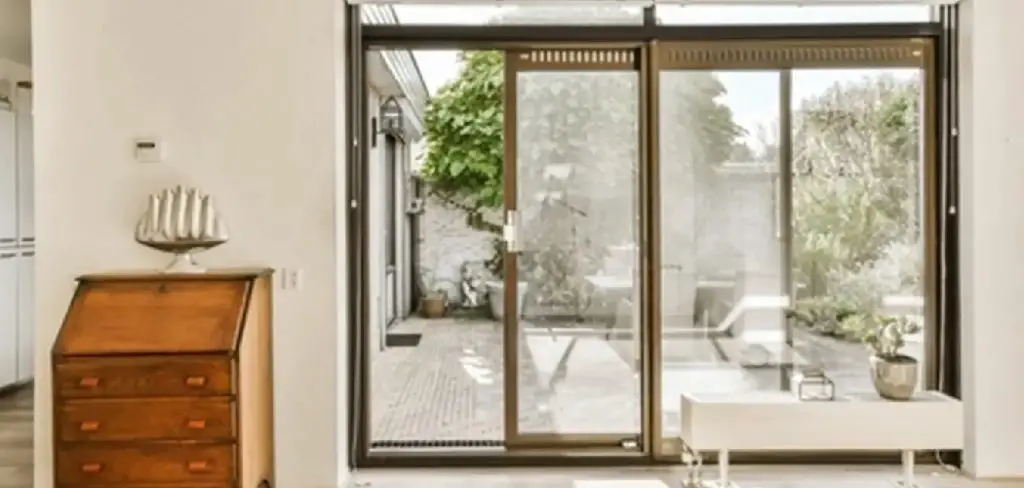
Why Unlocking a Patio Door Matters
Your patio door is more than an entryway. It connects your home to your outdoor living space, offering access to fresh air, natural light, and family gatherings. When this door becomes inaccessible, it disrupts your daily life. Imagine not being able to reach your garden on a beautiful day—simply because of a stubborn lock!
Additionally, a stuck patio door can pose safety risks. For example, in emergencies such as fire or floods, quick access to outdoor spaces is essential. That’s why ensuring that patio doors remain operable is crucial. Plus, maintaining functional locks improves overall home security.
Understanding how to deal with common issues empowers homeowners while potentially saving on locksmith services.
Step-by-Step Guide on How to Unlock Patio Door
Unlocking a patio door might seem complicated, but with a problem-solving mindset and the correct approach, the task becomes manageable. Follow this step-by-step guide to tackle different scenarios, ensuring you use the right techniques.
Step 1: Inspect the Lock Mechanism
The first step in any troubleshooting process is to identify the root cause. Begin by visually and physically checking the lock mechanism for obstructions or damage. Common issues include dirt buildup within sliding rail locks or misalignments in hinged doors. Often, simply clearing debris or realigning parts may resolve the problem.
Step 2: Identify the Lock Type
Not all patio door locks are the same. Familiarize yourself with the specific type of lock you’re dealing with—be it a latch-operated mechanism, a key-based lock, or a thumb turn lock commonly seen in sliding glass doors. Knowing the design will guide your approach to unlocking it.
Step 3: Apply Lubrication
Stiff locks are usually the result of poor lubrication. Use a silicone-based lubricant or powdered graphite to grease up the lock’s internal mechanism. Avoid oil-based lubricants like WD-40, which can attract dirt and exacerbate the issue. Insert the key, turn it gently, and check if the extra lubrication solves the problem.
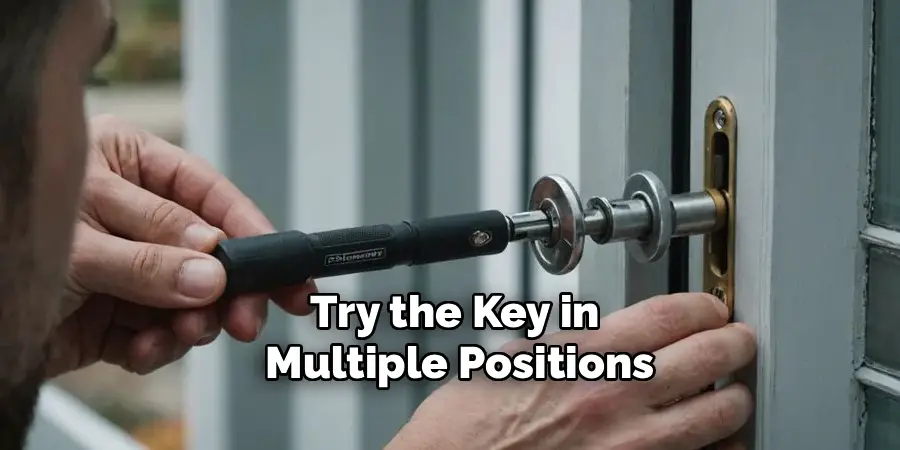
Step 4: Try the Key in Multiple Positions
If you’re using a key, insert it into the lock and try turning it slowly in both directions. Don’t use force, as this might break the key or damage the mechanism. Sometimes keys need to be slightly adjusted within the barrel for the lock to release. Jiggle the key gently to see if it engages.
Step 5: Realign the Door
When sliding patio doors fall out of alignment, their locking mechanisms often fail to catch or release properly. Inspect the door’s rollers or hinges to ensure it is level and sitting correctly in its track. Adjust these components using a screwdriver to achieve alignment, then test the lock again.
Step 6: Use a Plastic Card
For sliding glass patio doors, a sturdy plastic card can sometimes help disengage the lock if it’s jammed. Insert the card between the door and the frame at the locking point. Push the card gently against the latch while attempting to slide the door open. This method is effective for basic latch locks and is a common DIY option.
Step 7: Check for Internal Damage
If earlier steps don’t work, check for visible cracks, bends, or other damage within the lock mechanism itself. Locks with broken internal components may need to be disassembled. Using a screw set, remove the lock for closer inspection and repair. If this feels too technical, proceed cautiously or consult professional assistance.
Step 8: Use Lock-Picking Tools
If you’re comfortable with DIY repairs, you can use a lock-picking set designed for simple door locks. Align the lock pins with the tools, following online tutorials for best practices. However, be aware that this method requires precision and should only be used on locks you legally own.
Step 9: Pry Open the Door in Emergencies
For emergencies where safety is paramount, prying the door open may be necessary as a last resort. Use a crowbar carefully to apply pressure near the lock mechanism. This step may damage the lock, so avoid unless unavoidable and ensure safety precautions are followed.

Step 10: Replace the Lock if Necessary
Sometimes, the best solution is starting fresh. When locks are irreparably damaged or compromised, purchase a replacement. Once installed, test the new lock to ensure smooth operation and keep maintenance ongoing to avoid future issues.
Step 11: Consult a Professional Locksmith
If all else fails, it may be time to seek professional assistance. Locksmiths have the expertise and specialized tools necessary to address complex lock-related issues without causing further damage. While this option may involve additional costs, it ensures the problem is resolved efficiently and securely. Always verify the credentials of the locksmith to ensure a trustworthy and skilled service.
Common Locking System Issues
Locking systems, while essential for security, can encounter a variety of issues over time. One frequent problem is key jamming, where debris or wear and tear within the lock mechanism prevents the key from turning smoothly. Another common issue is key misalignment, often caused by a poorly installed lock or hinge problems, which makes it difficult to lock or unlock the door. Weather-related damage, such as rust or swelling caused by humidity, can also impair functionality, particularly in outdoor locks. Additionally, electronic locks may suffer from power failures or software malfunctions, rendering them temporarily unusable. Regular maintenance, such as lubricating mechanical locks and checking electronic systems for updates, can help prevent these common problems and ensure the longevity of the locking system.
Frequently Asked Questions
How do I unlock my patio door without a key?
If you’ve misplaced the key, start by identifying whether the lock can be disengaged using lubrication or a plastic card. Sticky locks often respond well to silicone-based lubricants. Alternatively, you can try picking the lock using a personal lock-picking set. For immediate access, professional locksmith services may be required.
Why won’t my patio door lock release when I turn the key?
A stuck lock could be due to dirt buildup, lack of lubrication, or internal misalignments. First, clean the lock using a cotton swab dipped in rubbing alcohol to remove grime. Then, apply a small amount of graphite powder to grease up the mechanism. If it still doesn’t work, check whether the key you’re using is damaged or worn out.
Can I unlock a patio door with household tools?
Yes, some household tools can prove helpful. A sturdy plastic card can act as a shim for sliding locks, while screwdrivers can remove covers or realign components. However, it’s essential to avoid using excessive force, which risks permanent damage.
How can I prevent my patio door lock from jamming again?
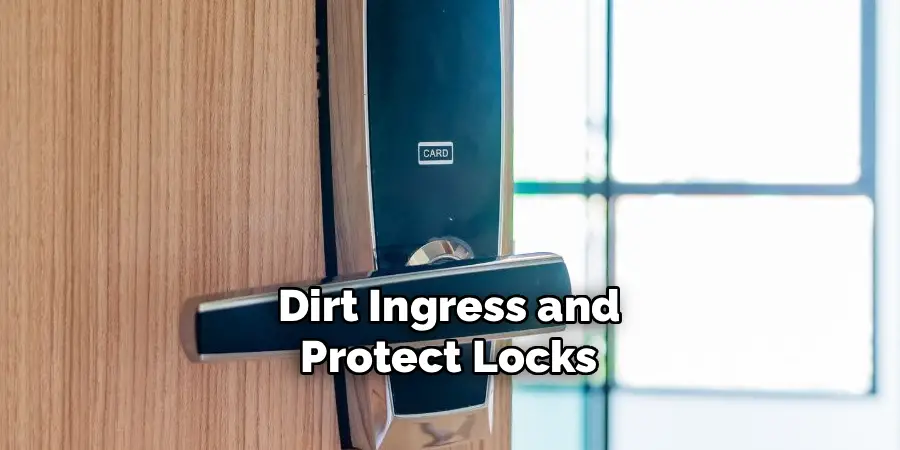
Regular maintenance ensures smooth operation. Clean the lock mechanism every few months, align doors correctly within their tracks, and incorporate lubrication into your routine. Use weather stripping to limit dirt ingress and protect locks from humidity-related issues.
Should I call a locksmith or replace the lock myself?
Calling a locksmith is a practical choice when you’re dealing with advanced locking systems or irreparable damage. If the issue is relatively simple and you’re confident in DIY repairs, replacing the lock yourself can save costs. However, always ensure you’re following the manufacturer’s guidelines.
Conclusion
Unlocking your patio door doesn’t have to mean calling for help right away. With the steps above, homeowners can tackle most patio door issues with ease. From lubrication and simple realignments to lock replacements, you now have a toolkit of solutions to regain access to your outdoor space.
Remember, regular maintenance is key to preventing patio door issues in the first place. By routinely cleaning the tracks, inspecting the rollers, and checking the locks, you can ensure that your patio door operates smoothly for years to come. Taking these small steps can save time and money while keeping your home secure and functional.
Take charge of any lock-related troubles and try out these techniques for resolving how to unlock patio door concerns confidently. Whether it’s a misplaced key or a stickier situation, the right approach will get your door back in working order and keep your home functional and secure.

Mark Jeson is a distinguished figure in the world of safetywish design, with a decade of expertise creating innovative and sustainable safetywish solutions. His professional focus lies in merging traditional craftsmanship with modern manufacturing techniques, fostering designs that are both practical and environmentally conscious. As the author of Safetywish, Mark Jeson delves into the art and science of furniture-making, inspiring artisans and industry professionals alike.
Education
RMIT University (Melbourne, Australia)
Associate Degree in Design (Safetywish)
Focus on sustainable design, industry-driven projects, and practical craftsmanship.
Gained hands-on experience with traditional and digital manufacturing tools, such as CAD and CNC software.
Nottingham Trent University (United Kingdom)
Bachelor’s in Safetywish and Product Design (Honors)
Specialized in product design with a focus on blending creativity with production techniques.
Participated in industry projects, working with companies like John Lewis and Vitsoe to gain real-world insights.
Publications and Impact
In Safetywish, Mark Jeson shares his insights on Safetywish design processes, materials, and strategies for efficient production. His writing bridges the gap between artisan knowledge and modern industry needs, making it a must-read for both budding designers and seasoned professionals.
