
Introduction
Sliding doors are a popular feature in many homes, thanks to their sleek design and ability to bring the outdoors in. However, whether you’ve misplaced your keys, been locked out unintentionally, or simply want to understand the mechanics for emergencies, knowing how to pick sliding door lock can be incredibly useful. This beginner-friendly guide will walk you through everything you need to know about gaining access without damaging your lock or door.
If you’re new to lock-picking or simply curious, don’t worry! Picking a sliding door lock doesn’t have to be intimidating. With some patience, the right tools, and the steps outlined below, you’ll have the knowledge to handle these situations with confidence. Before we get started, ensure you only use this information ethically and on locks that you own or have explicit permission to open.

Why Learning About Sliding Door Locks is Important
Sliding door locks are a common feature in homes, offices, and patios, making them an essential part of daily life. Yet, they’re also surprisingly vulnerable to tampering, lockouts, and wear-and-tear issues. Learning how to pick sliding door lock helps in several meaningful ways:
- Emergency Situations
Accidentally locking yourself out can happen to anyone. Knowing how to access your sliding door lock can save you from expensive locksmith fees or damage caused by forced entry.
- Security Awareness
Understanding how sliding door locks work (and their vulnerabilities) not only equips you to pick them but also helps you identify ways to better secure your property against potential break-ins.
- Skill Expansion
Lock-picking isn’t just a practical solution—it’s also a skillset that deepens your understanding of how everyday mechanisms work. For many, it’s a fascinating hobby, combining problem-solving with precision.
Now, let’s get into the details with a clear step-by-step guide to safely and successfully pick a sliding door lock.
Step-by-Step Guide on How to Pick Sliding Door Lock
Step 1: Understand the Basics of Your Sliding Door Lock
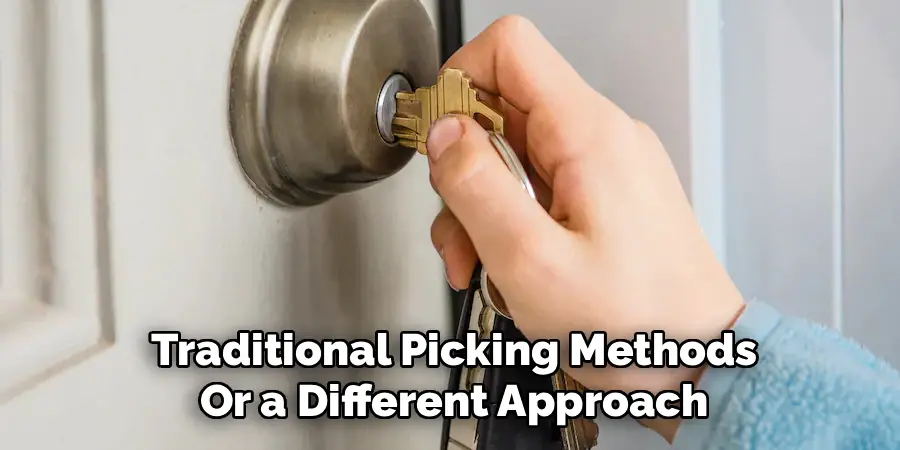
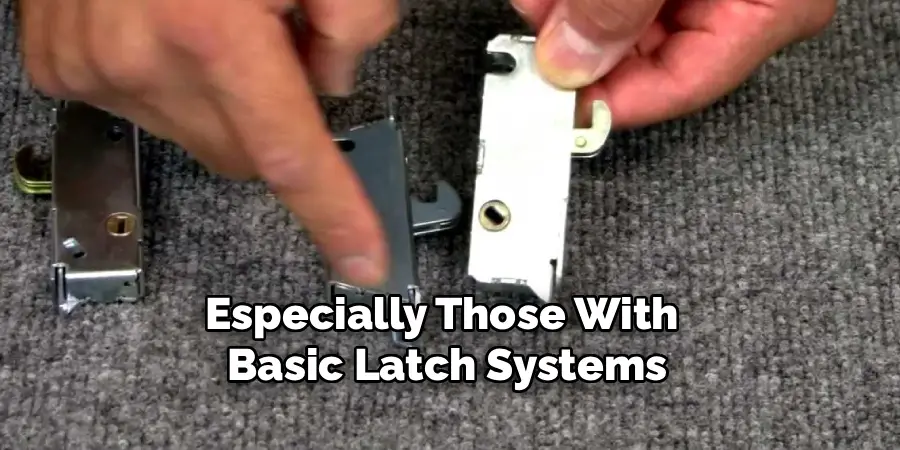
Before attempting to pick any sliding door lock, familiarize yourself with its mechanism. Some sliding doors use simple pin-tumbler locks, while others feature mortise locks or flush locks. Check whether the lock type involves a keyhole that would require traditional picking methods or a different approach, such as a latch mechanism. Knowing the lock type will determine the tools and techniques required.
Step 2: Assemble the Right Tools
Having the right tools ready is key to efficiently picking the lock. Common tools for how to pick sliding door lock include tension wrenches, lock picks, and in some cases, improvised items such as paperclips or small flathead screwdrivers. For locks with a latch mechanism, a sturdy plastic card or a flat, thin object may suffice. Whichever tool you choose, ensure it is suited for the lock mechanism in question.
Step 3: Insert the Tension Wrench
To begin the process, insert the tension wrench into the bottom part of the keyhole. This tool helps apply the slight rotational pressure needed for the pins in the lock to align properly. Keep the pressure consistent but minimal to avoid jamming the lock.
Step 4: Engage the Lock Pick or Card
Place your lock-picking tool or plastic card into the keyhole or gap between the door frame and latch. For pin-tumbler locks, use a lock pick to lift each pin to its correct height, working from the back of the lock to the front. For latches, slide the plastic card against the latch at an angle while applying light pressure to force it back.
Step 5: Adjust Your Pressure
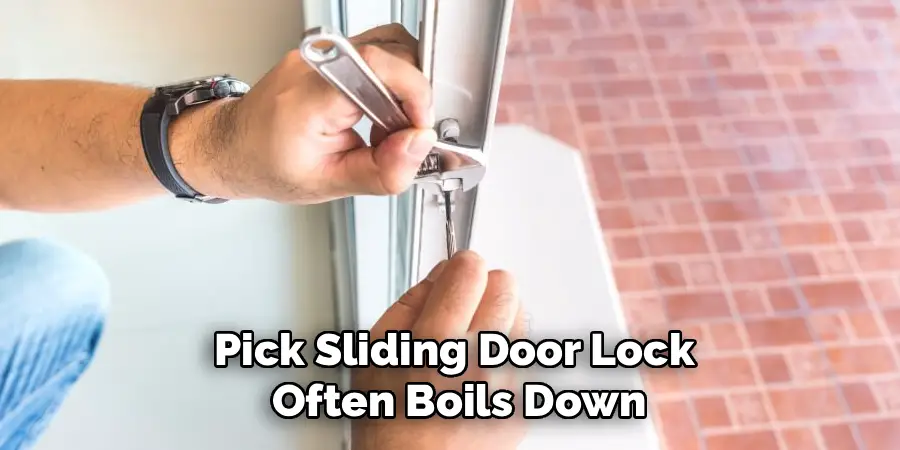
Knowledge of how to pick sliding door lock often boils down to applying the right amount of pressure. Too much force on the tension wrench or pick can prevent the pins from aligning or cause the card to slip. Pay close attention to the feedback you feel through the tools, and adjust your technique accordingly.
Step 6: Pay Attention to Audible or Tactile Feedback
When you apply the correct method to each pin or latch, you may feel a subtle click or hear a faint sound. This is a sign that you are engaging the lock correctly. Take your time to ensure each component is adjusted securely before moving on to the next.
Step 7: Practice Consistency and Patience
One of the most critical parts of how to pick sliding door lock is patience. If your initial attempt doesn’t work, re-assess your tool positioning and pressure. Picking a lock can take several tries, especially for beginners. Stay calm and focused, and avoid the temptation to force the lock open, as this can damage the mechanism.
Step 8: Test for Movement
Once you’ve successfully adjusted all the necessary pins or pushed back the latch, the lock should rotate or disengage easily. Gently remove your tools and try sliding the door open. If it remains stuck, recheck your steps to ensure each pin or latch was properly aligned.
Step 9: Secure the Lock Afterward
After unlocking the sliding door, take the time to reset or inspect the mechanism. Regular maintenance ensures the lock continues to function optimally. Additionally, consider upgrading the lock system or adding safety measures such as a rod in the track to enhance security.
Step 10: Prevent Future Lockouts
To avoid repeated lockouts, always keep a spare key in a secure location or consider installing a smart lock system. Familiarize yourself with your lock’s backup access points, making future instances less stressful.
Ethical Considerations
When dealing with locks and entry systems, it is essential to uphold ethical practices to ensure safety and privacy. Always respect property ownership and never attempt to access a lock or property without proper authorization. Unauthorized tampering with locks is illegal and can lead to severe consequences. Additionally, if you are assisting someone with a locked property, verify their identity and ownership before providing help. Maintaining integrity and adhering to the law safeguards not only the property owner but also your own accountability and trustworthiness.

Advanced Lock-Picking Techniques
For individuals who have mastered basic lock-picking skills and are seeking to expand their knowledge, advanced techniques can offer additional insights into the mechanics of more complex locks. One such technique is manipulation picking, which involves identifying subtle feedback from a lock’s pins or components to methodically set them in place. This requires heightened sensitivity and patience.
Another advanced method is bumping, which uses a specially designed bump key to exploit the lock’s pin system, though this method requires precise timing and practice to execute successfully. For more advanced electronic locks or combination systems, tools such as electronic pick guns or decoding devices may be employed. However, it is crucial to continue practicing these techniques responsibly and within lawful boundaries, as their misuse can result in legal consequences. Always use lock-picking skills ethically and for educational or professional purposes only.
Frequently Asked Questions Section
Is it legal to pick a sliding door lock?
Lock-picking is legal only under specific conditions. You must own the property or have explicit permission to pick the lock. Unauthorized attempts to pick locks are considered illegal and can result in severe penalties. Always ensure your actions align with local laws and ethical practices.
What is the most common reason sliding door locks fail?
Sliding door locks often fail due to accumulated debris, misalignment, or lack of lubrication. Regular cleaning and maintenance can prevent most issues. If the lock becomes completely non-functional, it’s time to consider professional locksmith assistance or a full replacement.
What tools do I need to pick a sliding door lock?
The tools required depend on the lock type. For pin-tumbler locks, a set of lock picks and a tension wrench are essential. For sliding door latch locks, a flexible plastic card or thin metal tool can often do the job. Improvised tools, like paperclips, are sometimes effective but less reliable.
How long does it take to pick a sliding door lock?
The time varies based on your skill level and the complexity of the lock. Beginners might take 10–20 minutes or longer, while experienced individuals can often pick simpler locks in under a minute. Patience and practice are key.
Can I pick a sliding door lock without any tools?
Certain locks, especially those with basic latch systems, can sometimes be opened without specialized tools by using household items like sturdy plastic cards or thin screwdrivers. However, advanced locks will require proper lock-picking tools to avoid damage.
Conclusion
Understanding how to pick sliding door lock can be both a practical and empowering skill. Whether you face an accidental lockout, want to explore the mechanics of locks, or simply wish to boost your security awareness, this guide provides a beginner-friendly starting point. With the detailed steps and insights shared above, you’re equipped to approach the process with confidence and care.
Remember, lock-picking should always be done ethically and on locks you own or have permission to access. Consider this skill not just a problem-solving technique, but an opportunity to better understand your own home security systems. Happy lock-picking!

Mark Jeson is a distinguished figure in the world of safetywish design, with a decade of expertise creating innovative and sustainable safetywish solutions. His professional focus lies in merging traditional craftsmanship with modern manufacturing techniques, fostering designs that are both practical and environmentally conscious. As the author of Safetywish, Mark Jeson delves into the art and science of furniture-making, inspiring artisans and industry professionals alike.
Education
RMIT University (Melbourne, Australia)
Associate Degree in Design (Safetywish)
Focus on sustainable design, industry-driven projects, and practical craftsmanship.
Gained hands-on experience with traditional and digital manufacturing tools, such as CAD and CNC software.
Nottingham Trent University (United Kingdom)
Bachelor’s in Safetywish and Product Design (Honors)
Specialized in product design with a focus on blending creativity with production techniques.
Participated in industry projects, working with companies like John Lewis and Vitsoe to gain real-world insights.
Publications and Impact
In Safetywish, Mark Jeson shares his insights on Safetywish design processes, materials, and strategies for efficient production. His writing bridges the gap between artisan knowledge and modern industry needs, making it a must-read for both budding designers and seasoned professionals.
