
Have you found yourself locked out of a room with a push lock door? It’s a frustrating situation, but the good news is that most push lock doors can be opened without professional help. Understanding the right methods will save you time, stress, and potentially costly locksmith fees. Whether it’s a bathroom, bedroom, or office door, this beginner-friendly guide will walk you through simple solutions to regain access. Here, you’ll discover practical steps and techniques that work, even if you don’t have specialized tools.
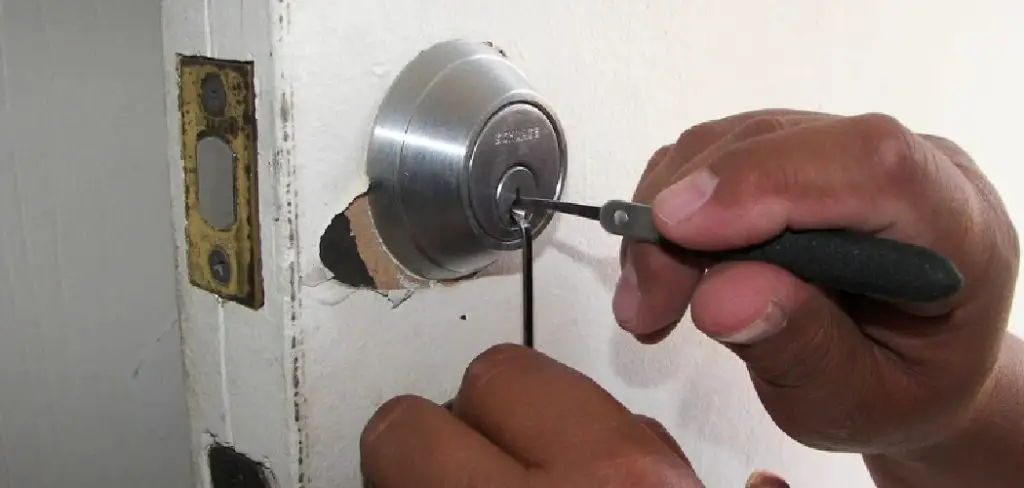
By the end of this guide, you’ll know exactly how to open a push lock door, safely and effectively. No need to panic the next time you encounter this common problem—just follow our step-by-step advice.
Why Is It Useful to Know How to Open a Push Lock Door?
Knowing how to open a push lock door is an essential skill for any homeowner or renter. Push lock doors are commonly used for privacy in bedrooms and bathrooms, but they can also lead to unexpected situations. For example, children might accidentally lock the door while playing, or you could misplace the key. Understanding the methods to open this type of lock can prevent unnecessary emergencies and maintain peace of mind.
Additionally, learning these techniques equips you to act quickly without waiting for outside assistance. It’s also more affordable than hiring a locksmith for a straightforward fix. While it’s crucial to use these methods responsibly and never bypass locks you don’t own, having this knowledge can genuinely make a difference in daily life.
Additional Prevention Tips
To prevent mishaps with locks, consider adopting a few proactive measures. First, always store a spare key in a secure but accessible place, such as with a trusted friend or family member. Alternatively, invest in a small, weatherproof lockbox designed for spare keys. Second, perform regular maintenance on your locks to ensure they function smoothly and are less likely to jam.
Lubricating the lock with graphite powder or a specialized lock lubricant can help prolong its lifespan. Finally, develop a habit of double-checking that you have your keys before leaving your home or locking your vehicle. These small, mindful practices can significantly reduce the chances of getting locked out.
Step-by-Step Guide on How to Open a Push Lock Door
Opening a push lock door may seem daunting, but it’s often easier than you think. Here’s a detailed guide to help you through the process, with 7 steps that cover various methods you can try.
Step 1: Identify the Type of Push Lock
Before attempting to open the door, examine the lock to understand its design. Push locks come in different styles—some have a small button in the center, while others feature a pin-sized hole on the doorknob. Knowing what you’re dealing with will help you determine the most effective unlocking method.
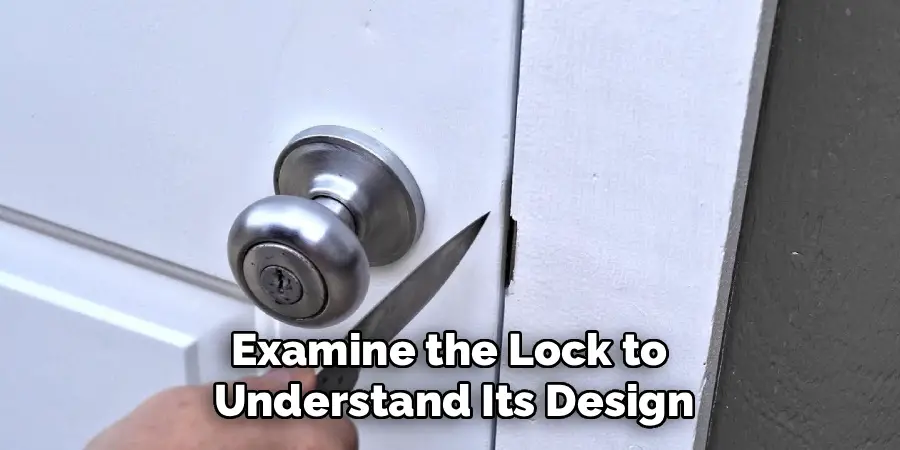
Some push locks can be popped open with minimal effort, while others might require a tool like a paperclip or small flathead screwdriver. This initial observation is crucial to avoid causing damage to the lock or door.
Step 2: Check for an Emergency Release Slot
Many push lock doors, especially those designed for interior use, include a small emergency release slot. Look at the doorknob for a tiny circular or rectangular hole. If you see one, you’re in luck—this feature is specifically added to simplify unlocking in emergencies.
Insert a straightened paperclip, long needle, or the provided key (if available) into the slot. Push firmly but gently while turning the knob to see if the lock disengages. This method is among the safest for unlocking a push lock door.
Step 3: Try the “Credit Card” Method
If your push lock door doesn’t have an emergency release slot, you can attempt the credit card method. However, note that this works best on doors with a latch mechanism (rather than a deadbolt).
Use a sturdy card you don’t mind potentially damaging; a plastic store card or an expired credit card works well. Insert the card between the doorframe and the latch, aiming to press the latch back into the door. Apply steady pressure while wiggling the card around to release the lock.
Step 4: Use a Small Screwdriver or Pin
For locks with a tiny hole in the doorknob, a small flathead screwdriver or pin could be your best bet. Insert the tool into the hole and press inward. This action typically pushes aside the lock’s internal mechanism, allowing you to twist and open the door.
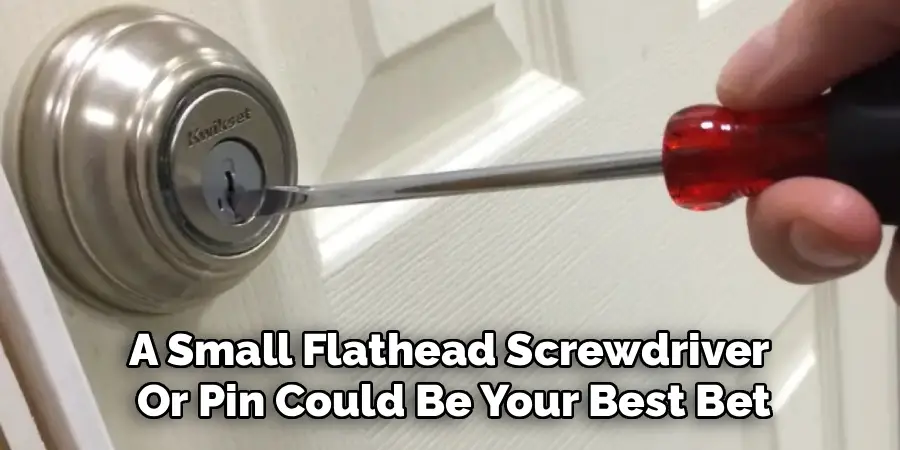
Be patient and work with precision, as forcing the tool too hard can damage the lock. If you don’t have the right tools handy, alternatives like a hairpin could also work.
Step 5: Employ a Wire Hanger
A wire hanger can be molded into a makeshift tool for opening certain push locks. Straighten the hanger and create a small hook at one end. Slide the hooked end through the emergency slot or alongside the latch, depending on your door’s lock mechanism.
Gently maneuver the hanger until you feel it catch on the lock mechanism. Then, pull or push as needed to release the lock. This method takes a bit of finesse but can be highly effective.
Step 6: Remove the Doorknob
If other methods fail, removing the doorknob may be your only option. Use a screwdriver to unscrew the screws holding the doorknob in place. Once removed, you should have access to the internal locking mechanism. From here, you can manually disengage the lock and open the door.
Be cautious not to strip the screws or damage the area around the doorknob. Reassembly is usually straightforward once the door is open.
Step 7: Call a Professional as a Last Resort
If none of the above methods work, it might be time to enlist professional help. A locksmith has the tools and expertise to resolve the issue without causing permanent damage to your door. This step should only be taken if you’ve exhausted all other options.
However, now that you know how to open a push lock door, chances are you won’t need to contact a locksmith often.
Common Lockout Mistakes
Using Excessive Force
Applying too much force to the lock or door can result in damage to both the lock mechanism and the door itself, leading to costly repairs.
Neglecting to Check Other Entry Points
Failing to inspect alternative entrances, such as unlocked windows or back doors, is a common oversight that could save time and effort when locked out.
Not Having Spare Keys Accessible
Many people forget to keep a spare key in a safe and accessible location, such as with a trusted neighbor or in a secure outdoor key holder.
Choosing the Wrong Tools
Using inappropriate tools, like kitchen knives or sharp objects, to manipulate the lock often causes more harm than good, potentially damaging the lock beyond repair.
Rushing the Process
Impatience can lead to careless actions, increasing the likelihood of mistakes or even injuries during attempts to regain access.
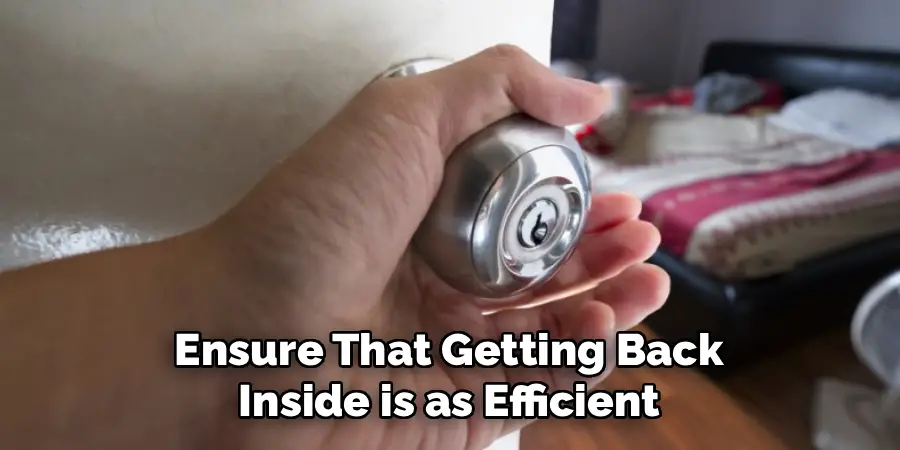
Avoiding these common mistakes can help ensure that getting back inside is as efficient and damage-free as possible.
Frequently Asked Questions
1. What are push locks commonly used for?
Push locks are most frequently used on interior doors, such as those in bathrooms, bedrooms, or offices. Their primary purpose is to provide privacy with a simple locking mechanism. They’re designed to be easy to use, but they can occasionally create inconvenient situations, such as accidental lockouts.
2. Can I damage the door while trying to open a push lock?
Yes, it is possible to damage the door or lock if you use excessive force or improper tools. For instance, using a credit card with too much pressure might scratch the doorframe, or a poorly handled screwdriver could chip the paint. Always opt for gentle, precise actions and consider consulting a professional if you’re unsure.
3. Are push lock doors secure?
Push locks are secure enough for maintaining privacy on interior doors but aren’t ideal for high-security needs. These locks can be bypassed with common household items, making them unsuitable for exterior doors or areas requiring robust security.
4. Should I replace a push lock that’s causing frequent problems?
If a push lock repeatedly malfunctions or is prone to accidental lockouts, it might be time to replace it. Upgrading to a more reliable locking mechanism can save you time and frustration in the long run.
5. What can I do to prevent future lockouts with push lock doors?
Preventing lockouts involves simple precautions, such as keeping a spare key in a safe but accessible location. For emergency use, consider labeling or identifying the tools that work with your locks and storing them in an easily reachable spot.
Conclusion
Getting locked out of a push lock door can be inconvenient, but with the right approach, it’s rarely a serious problem. By following this guide, you now know how to open a push lock door using various methods that are safe, effective, and beginner-friendly. From simple tools like paperclips to more involved solutions like removing the doorknob, you’re equipped with knowledge to handle these situations confidently.
If you encounter this issue, keep calm and apply the steps you’ve learned here. With a bit of patience, you’ll regain access in no time—and you’ll never need to panic over a push lock door again!

Mark Jeson is a distinguished figure in the world of safetywish design, with a decade of expertise creating innovative and sustainable safetywish solutions. His professional focus lies in merging traditional craftsmanship with modern manufacturing techniques, fostering designs that are both practical and environmentally conscious. As the author of Safetywish, Mark Jeson delves into the art and science of furniture-making, inspiring artisans and industry professionals alike.
Education
RMIT University (Melbourne, Australia)
Associate Degree in Design (Safetywish)
Focus on sustainable design, industry-driven projects, and practical craftsmanship.
Gained hands-on experience with traditional and digital manufacturing tools, such as CAD and CNC software.
Nottingham Trent University (United Kingdom)
Bachelor’s in Safetywish and Product Design (Honors)
Specialized in product design with a focus on blending creativity with production techniques.
Participated in industry projects, working with companies like John Lewis and Vitsoe to gain real-world insights.
Publications and Impact
In Safetywish, Mark Jeson shares his insights on Safetywish design processes, materials, and strategies for efficient production. His writing bridges the gap between artisan knowledge and modern industry needs, making it a must-read for both budding designers and seasoned professionals.
