
The Harley-Davidson security system is designed to protect your motorcycle from theft and unauthorized access. While it provides peace of mind for many riders, there are situations where you may wish to disable the system permanently. This can include frequent false alarms, system malfunctions, or the need for a more streamlined riding experience.
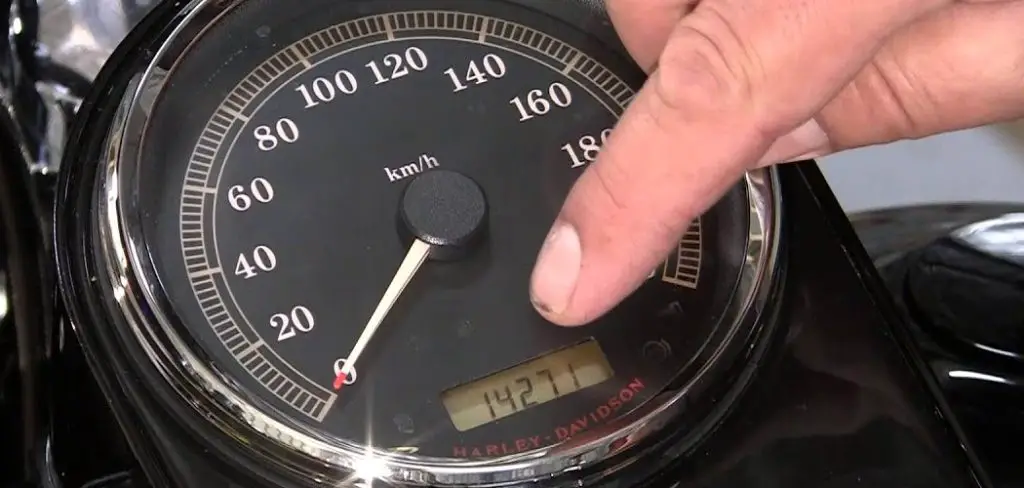
This guide will walk you through the necessary steps of how to permanently disable harley security system safely and effectively, ensuring you can maintain full control over your bike without unnecessary interruptions. Always proceed with caution and consult a professional if needed.
Why Owners May Want to Disable It
There are several reasons why Harley owners might choose to disable the security system permanently. One common reason is the repeated occurrence of false alarms, which can be frustrating and disruptive, especially in quiet neighborhoods or crowded areas. Another reason is system malfunctions that could prevent the bike from starting or operating properly, leaving the rider stranded at inconvenient times.
Additionally, some owners prefer a more streamlined riding experience without the need to manage security codes or key fobs. Riders in remote areas, with little risk of theft, may also find the system unnecessary and opt to disable it entirely. While the security system is designed to enhance protection, these factors can lead some owners to prioritize simplicity and convenience.
Tools and Materials You’ll Need
Before beginning the process of disabling the security system, it’s important to gather all the necessary tools and materials to ensure a smooth and efficient workflow. Here’s what you’ll need:
- Owner’s Manual – Refer to the bike’s manual for specific instructions and details regarding the security system.
- Screwdrivers – A set of both Phillips and flathead screwdrivers to remove panels or covers.
- Wrenches – Various sizes of wrenches if bolts need to be loosened or tightened during the process.
- Electrical Tape – For securing any loose wires or components after adjustments.
- Multimeter – To test electrical connections and ensure everything is functional.
- Replacement Parts (Optional) – If certain components need to be swapped out as part of the process.
- Clean Workspace – A well-lit, organized space to safely complete the task without losing small parts.
Having these tools on hand will help streamline the procedure and avoid unnecessary delays while working on your motorcycle.
10 Methods How to Permanently Disable Harley Security System
1. Use the Factory Key Fob or Backup Key
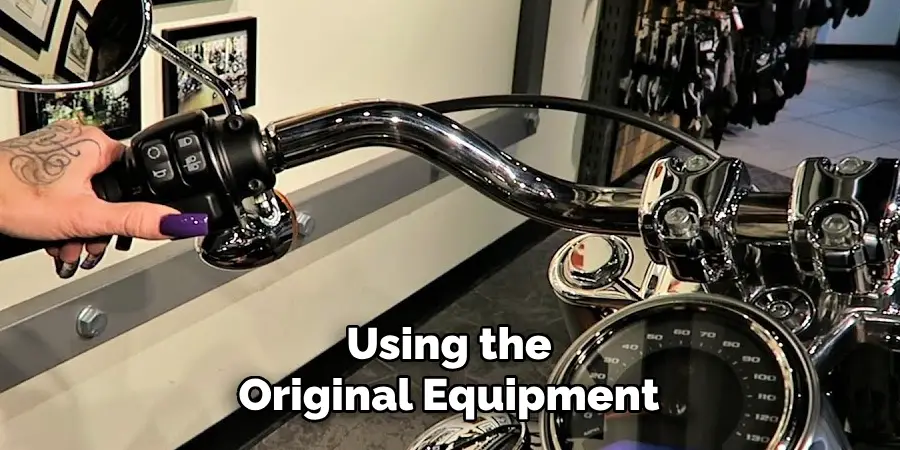
Harley’s security system is designed around the factory key fob or ignition key programmed with a transponder chip. If your primary key is lost, first locate your backup key or fob. Using the original equipment ensures seamless deactivation of the security immobilizer. If lost, consider ordering a replacement key from Harley’s authorized dealer, which requires proof of ownership.
2. Perform a System Reset via the Key and Ignition
Some Harley models allow a security system reset by following a specific ignition sequence. For example, turning the ignition to the “ON” position for a set duration (often 10 minutes) without starting the engine lets the system relearn the key or reset the immobilizer timer. This method is helpful if the system is malfunctioning or locked due to a dead key fob battery.
3. Replace or Reprogram the Key Fob Battery
Often, what seems like a security system lockout is caused by a dead battery in the key fob. Replace the battery with the correct type (usually CR2032 or CR2450) and re-sync the fob if needed, following manufacturer instructions. This can restore proper communication between fob and bike without disabling the system.
4. Use Harley’s Diagnostic Tool (H-D Scan Tool)
Authorized Harley dealers and some experienced owners use the H-D Scan Tool to interface with the bike’s ECU and security modules. This tool can diagnose immobilizer issues, clear faults, and reprogram keys or fobs. It’s the safest, manufacturer-approved way to manage the security system settings without damaging electronics.
5. Bypass the Security System Relay Temporarily
For legitimate troubleshooting, some owners may temporarily bypass the security system’s starter relay or fuel cut-off relay. This involves locating the relay box (usually under the seat or near the battery), identifying the security relay, and wiring it to bypass the immobilizer circuit. This is a temporary measure requiring electrical knowledge and should only be used by authorized persons while preparing for proper repair.
6. Disconnect the Security Module Fuse
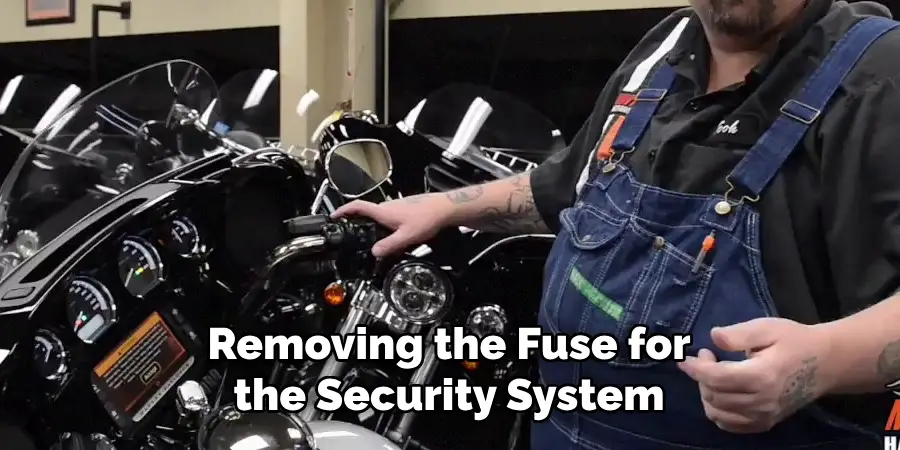
In emergencies, removing the fuse for the security system module may allow the engine to start without immobilization. Check the owner’s manual for the correct fuse location. Keep in mind this may trigger fault codes or disable other features, so it’s a short-term solution pending proper servicing.
7. Disable Security System via Wiring Harness Modification (Advanced)
Some owners opt for advanced modification by cutting or rerouting specific wires within the ignition or security harness to disable immobilizer functions. This is complex, voids warranties, and is generally discouraged due to safety and legal concerns. If attempted, detailed wiring diagrams and expertise in motorcycle electronics are essential.
8. Reset the Motorcycle’s Battery and ECU
Disconnecting the battery for 15–30 minutes can sometimes reset the bike’s ECU and security module, clearing temporary faults that prevent starting. After reconnecting, use the ignition key to perform any relearn procedures per the owner’s manual.
9. Consult Harley Technical Service Bulletins (TSBs)
Harley-Davidson periodically releases TSBs addressing common security system problems, including ways to reset or troubleshoot immobilizer faults. Authorized owners can access these bulletins or have a dealer assist in following the recommended fixes without disabling the system entirely.
10. Contact Authorized Harley Dealer or Locksmith
When all else fails, the most reliable method is to seek professional help from a Harley dealership or a locksmith specializing in motorcycle security systems. They have access to proprietary software, replacement keys, and authorized bypass procedures that are legal and safe.
Things to Consider When Addressing Immobilizer Issues
When dealing with immobilizer issues, it’s important to approach the situation carefully to avoid further complications. Always ensure you have access to the correct ownership documents, as this is often required when seeking assistance from dealers or locksmiths.
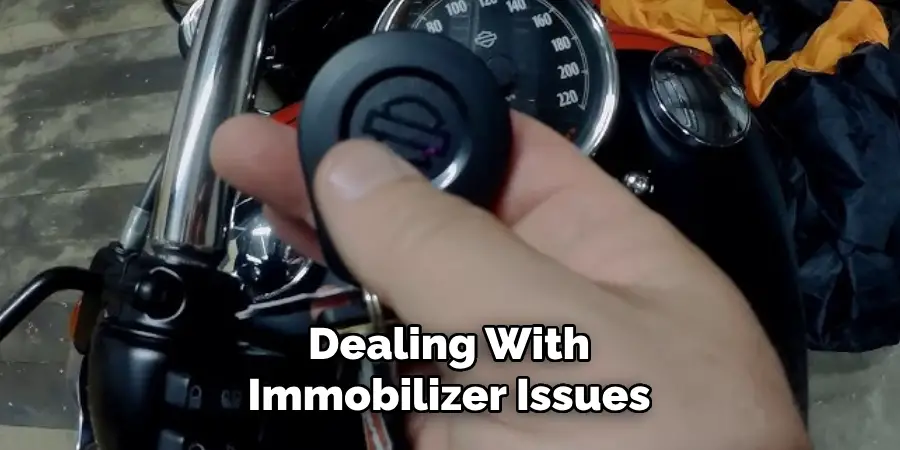
Additionally, using unauthorized bypass methods can lead to security risks or permanent damage to the system. Be cautious about any third-party solutions that lack proper certifications, as these may void warranties or violate legal requirements. Ultimately, prioritizing professional guidance ensures both the safety of your motorcycle and compliance with manufacturer standards.
Common Mistakes to Avoid
When dealing with motorcycle security or key issues, several common mistakes can compromise safety or exacerbate the problem. One major mistake is attempting to force the ignition or lock mechanism, as this can lead to costly repairs and potentially irreversible damage. Another error is relying on unverified online advice or using questionable tools and techniques, which may violate warranty terms or create additional security vulnerabilities.
Neglecting to verify the credentials of a locksmith or dealer is another frequent oversight, which can result in subpar service or even fraud. Finally, postponing the resolution of a security issue can leave a motorcycle vulnerable to theft or further complications. By staying informed and exercising caution, many of these pitfalls can be easily avoided.
Safety Considerations
Ensuring the safety and security of your motorcycle requires a proactive and thoughtful approach. Always prioritize the use of professional, licensed locksmiths or dealerships to handle key replacements or security fixes. This helps mitigate the risks of poor craftsmanship or potential fraud. Additionally, invest in high-quality locks and security devices designed specifically for motorcycles, such as disc locks or alarm systems, to deter theft.
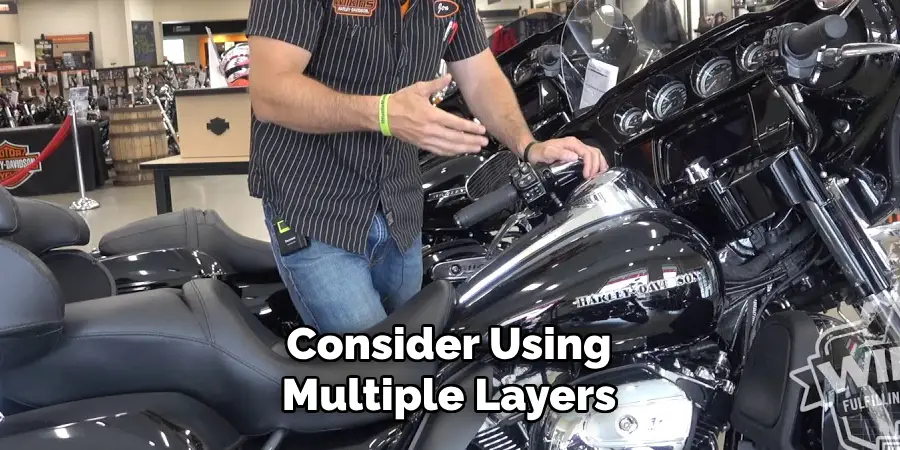
When parked, choose well-lit and secure locations, and consider using multiple layers of security to make your motorcycle a less attractive target. Remember to keep spare keys in a safe and accessible place, avoiding gaps in security caused by misplacement. By adhering to these measures, you can significantly reduce safety risks and protect your motorcycle effectively.
Conclusion
In conclusion, safeguarding your motorcycle requires vigilance, preparation, and the use of reliable security measures. By investing in high-quality equipment, practicing good habits, and parking in secure areas, you can enhance the safety of your motorcycle and minimize the risk of theft or damage. So, there you have it – a quick and easy guide on how to permanently disable harley security system.

Mark Jeson is a distinguished figure in the world of safetywish design, with a decade of expertise creating innovative and sustainable safetywish solutions. His professional focus lies in merging traditional craftsmanship with modern manufacturing techniques, fostering designs that are both practical and environmentally conscious. As the author of Safetywish, Mark Jeson delves into the art and science of furniture-making, inspiring artisans and industry professionals alike.
Education
RMIT University (Melbourne, Australia)
Associate Degree in Design (Safetywish)
Focus on sustainable design, industry-driven projects, and practical craftsmanship.
Gained hands-on experience with traditional and digital manufacturing tools, such as CAD and CNC software.
Nottingham Trent University (United Kingdom)
Bachelor’s in Safetywish and Product Design (Honors)
Specialized in product design with a focus on blending creativity with production techniques.
Participated in industry projects, working with companies like John Lewis and Vitsoe to gain real-world insights.
Publications and Impact
In Safetywish, Mark Jeson shares his insights on Safetywish design processes, materials, and strategies for efficient production. His writing bridges the gap between artisan knowledge and modern industry needs, making it a must-read for both budding designers and seasoned professionals.
