
Are you curious about picking a commercial door lock? Whether you are a locksmith, building manager, or simply interested in the inner workings of locks, learning how to pick a commercial door lock can be a valuable skill.
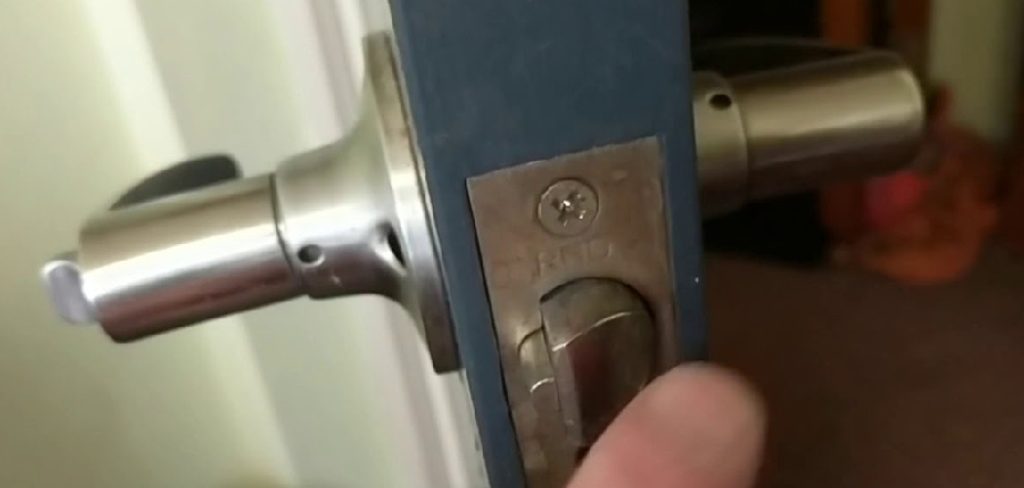
When it comes to securing a commercial space, selecting the right door lock is a crucial decision. Commercial door locks are designed to offer both durability and enhanced security to protect your business premises, employees, and assets. However, with so many types and features available on the market, picking the ideal lock can feel overwhelming. It’s important to consider factors such as the level of security required, the type of door, and the frequency of use.
This guide will help you understand the key considerations and options available, ensuring you make the best choice for your commercial needs.
What Are the Benefits of Commercial Locks?
Some specific benefits of commercial locks include:
- Increased Security: The primary function of commercial locks is to secure your business premises and protect valuable assets from theft or vandalism. These locks are typically made with heavy-duty materials such as steel or reinforced metal, making them difficult to tamper with or break.
- Customizable Options: Depending on your business’s needs, you can choose from a variety of lock types, including deadbolts, mortise locks, and keyless entry systems. You can also opt for master key systems that allow you to control access to different areas of your business.
- Durability: Commercial locks are designed to withstand frequent use and harsh environments, such as extreme temperatures or exposure to moisture. This makes them a reliable choice for businesses with high foot traffic or outdoor areas that require secure access.
- Key Control: With commercial locks, you have the option to restrict access to certain individuals by providing them with specific keys. This helps prevent unauthorized entry and ensures that only authorized personnel have access to restricted areas.
What Will You Need?
When it comes to installing commercial locks, there are a few essential items that you will need in order to successfully complete the installation process. These include:
- Commercial-grade lock(s)
- Appropriate tools (e.g. drill, screwdriver)
- Hardware (screws, bolts, etc.)
- Key control system (if desired)
It is important to choose high-quality and durable materials for your commercial locks to ensure their effectiveness and longevity.
10 Easy Steps on How to Pick a Commercial Door Lock
1. Understand the Lock Mechanism
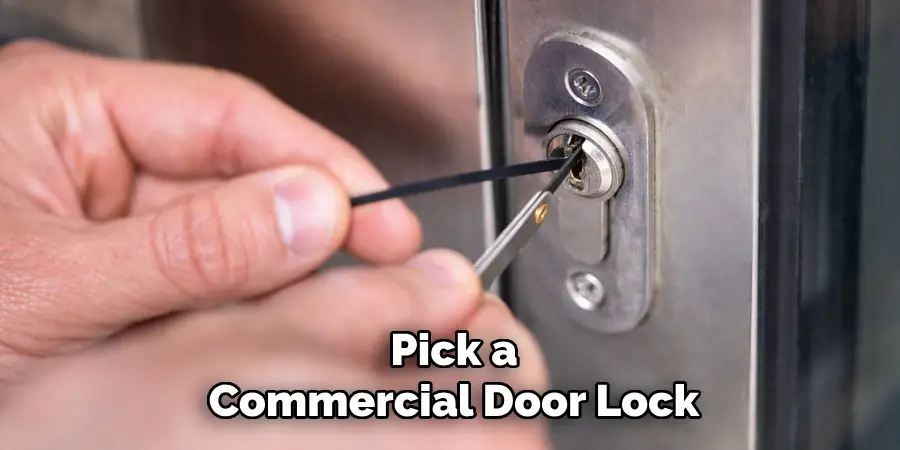
To effectively pick a commercial door lock, it is crucial to first understand how the lock mechanism operates. Most commercial locks use pin tumbler mechanisms, which consist of a series of pins inside the lock cylinder. These pins are divided into two sections — the key pins and the driver pins — separated by a shear line. When the correct key is inserted, the key pins align at the shear line, allowing the lock cylinder to turn and the door to unlock.
Gaining a solid understanding of this mechanism will help you identify the best tools and techniques needed to manipulate the pins and achieve alignment. Familiarize yourself with the specific type of commercial lock you are dealing with, as some may have additional security features such as anti-pick pins or more complex designs, which can affect your approach.
2. Gather the Right Tools
To successfully pick a commercial lock, having the right tools is essential. Start with a quality lock pick set that includes hooks, rakes, and tension wrenches. These tools are fundamental for manipulating the pins and applying the correct amount of torque to the lock cylinder.
For more advanced locks, consider acquiring specialized tools like bump keys or electric pick guns. It’s also a good idea to carry a flashlight or headlamp to improve visibility, especially in low-light conditions. Always ensure your tools are in good condition and appropriate for the lock you’re working on.
3. Insert the Tension Wrench
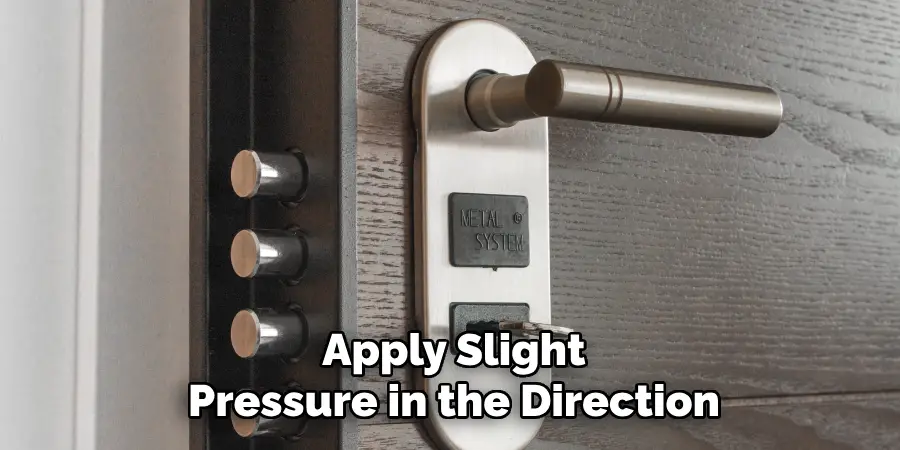
The tension wrench is a critical tool in the lock-picking process. Start by inserting the tension wrench into the bottom or top of the keyway, depending on the lock type. Apply slight pressure in the direction the lock would normally turn.
Be careful not to use excessive force, as this can damage the lock or make picking more difficult. Maintaining consistent and light tension is key to successfully manipulating the pins and unlocking the mechanism.
4. Use the Pick to Manipulate the Pins
Insert the pick into the keyway above the tension wrench and locate the pins within the lock. Work carefully to feel each pin’s position and gently lift them one at a time. The goal is to move the pins to their shear line, where the plug and the lock body align, allowing the lock to turn.
Start with the pin closest to the plug and continue toward the back of the lock. You may hear or feel a slight click as each pin sets into place. Keep maintaining steady tension with the wrench while moving the pick, as this ensures the pins remain set. Patience and practice are essential, as each lock has unique characteristics that require careful adjustment of your technique.
5. Work Slowly and Methodically
Working slowly and methodically is critical when picking a lock. Rushing through the process increases the likelihood of mistakes, such as oversetting pins or losing progress. Take your time to feel each pin’s movement and understand the feedback from the lock.
Precision and patience will lead to better results than hastily applying random movements. By staying calm and focused, you will improve your ability to adapt to different locks and develop a consistent technique over time.
6. Adjust Tension as Needed
Maintaining the right amount of tension is crucial for successfully picking a lock. If the tension is too strong, the pins may become stuck and unable to set properly. On the other hand, if the tension is too light, the pins may reset or fail to hold in place. Throughout the process, pay close attention to the feedback the lock provides and adjust your tension tool accordingly.
Subtle changes in pressure can make a significant difference in setting the pins and opening the lock. With practice, you’ll learn to identify the perfect balance of tension for various types of locks.
7. Turn the Cylinder to Unlock
Once all the pins are properly set, it’s time to turn the cylinder to unlock the lock. Maintaining consistent pressure on the tension tool, gently rotate it in the direction the lock normally opens. You may feel slight resistance at first, but with steady and controlled movement, the cylinder should turn smoothly.
Be careful not to release tension prematurely, as this could cause the pins to reset, requiring you to start the process over. After the cylinder turns fully, the lock is open, and the process is complete.

8. Practice Ethical Lock Picking
Practicing ethical lock picking requires a strong sense of responsibility and adherence to legal and moral boundaries. Always ensure you have explicit permission before attempting to pick a lock, whether for practice or troubleshooting a problem. This means only working on locks that you own or have been granted clear approval to manipulate.
Lock picking should never be used for malicious or illegal purposes, as doing so undermines trust and can have serious consequences. Instead, focus on honing your skills as a constructive hobby, a tool for professional development, or a means of better understanding lock mechanisms. Ethical lock picking involves respect for others’ property and an unwavering commitment to integrity.
9. Seek Professional Help
If you encounter a particularly challenging lock or if you are unsure about how to proceed, it is always wise to seek the assistance of a professional locksmith. Locksmiths have the experience, tools, and training necessary to handle complex or delicate locks without causing damage. Attempting to pick or manipulate a lock beyond your skill level can lead to unintended consequences, including damage to the lock or the surrounding property.
10. Prioritize Security
Ensuring the security of your home, office, or personal belongings should always be a top priority. Regularly inspect your locks for any signs of wear or tampering and replace them if necessary. Consider upgrading to high-quality, tamper-resistant locks or exploring modern security options like smart locks, which offer enhanced protection and convenience.
Always keep your keys secure and avoid sharing them carelessly. Additionally, be mindful of securing windows, doors, and other potential entry points to create a comprehensive security system. Taking proactive steps to prioritize security can offer peace of mind and help protect what matters most.

By following these tips, your home can become a haven where you can relax and unwind without worrying about potential security threats.
Conclusion
How to pick a commercial door lock is essential for ensuring the security and functionality of your business property.
Begin by assessing the specific security needs of your space, considering factors such as the volume of traffic, the level of security required, and the type of door. Look for locks that meet industry standards, such as ANSI/BHMA ratings, to guarantee durability and reliability.
High-security options, like electronic keypad locks, smart locks, or keyless entry systems, can offer added convenience and protection. Additionally, consult a professional locksmith if you’re unsure about the best choice for your needs.
By carefully evaluating your options, you can select a commercial door lock that provides peace of mind and safeguards your property effectively.

Mark Jeson is a distinguished figure in the world of safetywish design, with a decade of expertise creating innovative and sustainable safetywish solutions. His professional focus lies in merging traditional craftsmanship with modern manufacturing techniques, fostering designs that are both practical and environmentally conscious. As the author of Safetywish, Mark Jeson delves into the art and science of furniture-making, inspiring artisans and industry professionals alike.
Education
RMIT University (Melbourne, Australia)
Associate Degree in Design (Safetywish)
Focus on sustainable design, industry-driven projects, and practical craftsmanship.
Gained hands-on experience with traditional and digital manufacturing tools, such as CAD and CNC software.
Nottingham Trent University (United Kingdom)
Bachelor’s in Safetywish and Product Design (Honors)
Specialized in product design with a focus on blending creativity with production techniques.
Participated in industry projects, working with companies like John Lewis and Vitsoe to gain real-world insights.
Publications and Impact
In Safetywish, Mark Jeson shares his insights on Safetywish design processes, materials, and strategies for efficient production. His writing bridges the gap between artisan knowledge and modern industry needs, making it a must-read for both budding designers and seasoned professionals.
