
Losing your motorcycle key can be a frustrating and stressful experience. Whether it’s lost, stolen, or simply misplaced, the situation can feel overwhelming, especially if the key is your primary method of accessing your bike. Fortunately, there are multiple solutions to this common problem, and you don’t necessarily need to panic or rely solely on expensive dealership services.

This article will walk you through how to replace a motorcycle key using practical, cost-effective, and beginner-friendly methods. From simple steps like locating your key code to more professional solutions like working with a locksmith, this guide will ensure you’re back on the road as soon as possible. Don’t worry—even if this is your first time dealing with this issue, we’ll break it down into clear, manageable steps for you.
The first step in replacing your motorcycle key is to locate the key code. This code is typically stamped on the ignition cylinder, the original key, or in the owner’s manual. If you still have access to any of these, it can save you a lot of time and effort. Make sure to write the code down and keep it in a safe place for future reference. If the key code is not available, don’t worry—there are alternative methods you can use to replace your key.
Why Replacing a Motorcycle Key Is Crucial
A motorcycle key isn’t just a tool for starting the engine; it also acts as an essential security measure against theft. Without it, gaining access to your bike becomes nearly impossible, and any attempts to bypass the lock system can cause significant damage.
Replacing a lost motorcycle key promptly is important for maintaining your bike’s functionality and security. Riding season can be short depending on where you live, so wasting time without a key means less time enjoying the open road. Additionally, having a replacement key (or even a spare key) can save you from further inconvenience in the future.
Understanding how to replace a motorcycle key can save you from needing to spend unnecessary money on towing or costly dealership replacements. It’s a skillset that gives you autonomy, saves time, and ensures you’re prepared to get back on your motorcycle quickly.
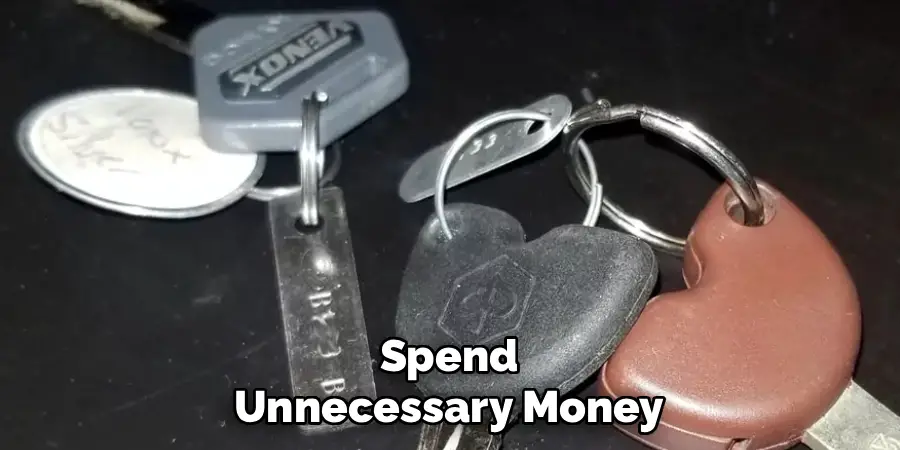
There are several approaches you can take when replacing a missing or damaged motorcycle key, depending on your circumstances. The most straightforward option is to contact a dealership, especially if you have the key code that came with your motorcycle’s purchase.
Dealerships can use this code to create a new key that matches your bike’s ignition. If you don’t have the key code, a locksmith can often help by using specialized tools to create a new key from the lock itself. For those who are more technically inclined, replacing the ignition cylinder entirely is another option, though it may require additional time and effort.
9 Step-by-Step Guide on How to Replace a Motorcycle Key
When the inevitable happens, here’s a clear and straightforward process to resolve the issue. Follow these steps to recover or replace your motorcycle key effectively.
Step 1: Locate the Key Code
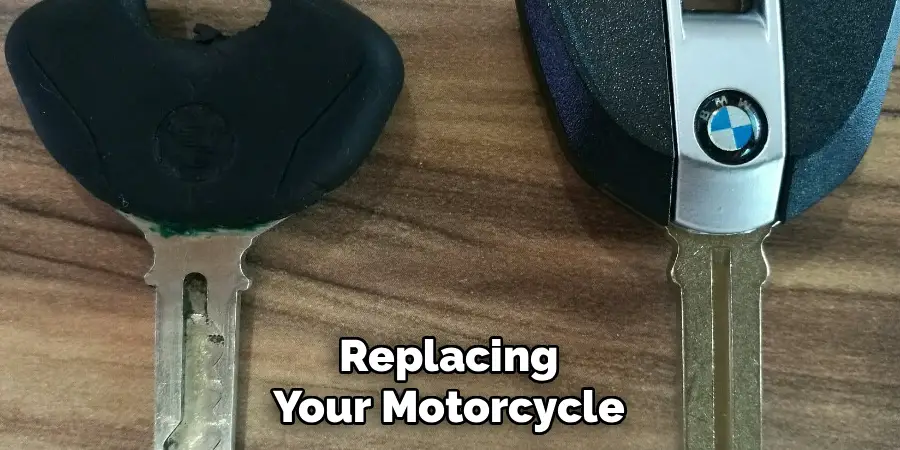
The first step in replacing your motorcycle key is identifying your key code. Usually, every bike comes with a unique code that allows locksmiths or dealers to replicate the key. This code is often found in your owner’s manual, on a plastic tag that comes with the original set of keys, or stamped onto the bike’s ignition cylinder.
If the code isn’t readily available, don’t worry. You may need to check different areas of the bike, such as under the seat or on the gas tank lock, as manufacturers sometimes stamp the code in less obvious locations.
Step 2: Contact Your Motorcycle Manufacturer
If you cannot locate the key code, your next step is to contact the bike’s manufacturer. Providing the Vehicle Identification Number (VIN) can help them retrieve details about your key. The VIN is typically found on the frame of the motorcycle or within your registration documents.
Manufacturers often have records of original keys tied to their VINs. Keep your bike’s registration and proof of ownership handy when reaching out to initiate this process.
Step 3: Reach Out to a Locksmith
One of the most efficient ways to replace a motorcycle key is by hiring a professional locksmith. Many locksmiths specialize in handling locks for motorcycles and can create a new key even if you don’t have the original.
To proceed, the locksmith may ask for your bike’s VIN or inspect your ignition cylinder. Make sure to choose a licensed locksmith, as they are more likely to have the tools and expertise to handle a range of motorcycle models effectively.
Step 4: Remove the Ignition Cylinder (If Necessary)
If a locksmith cannot make a replacement key on-site, you may need to remove the ignition cylinder and take it to them for better access. Begin by consulting your owner’s manual for guidance on safely removing this component.
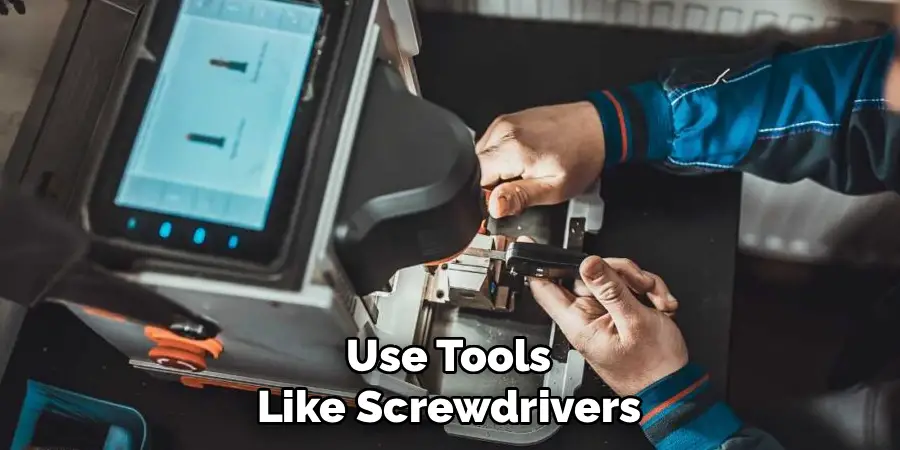
Use tools like screwdrivers or socket wrenches to carefully disconnect the ignition cylinder from the handlebar assembly. Be mindful of not damaging the surrounding parts, as this could lead to additional repair costs.
Step 5: Orders Through a Dealership
Should local efforts like locksmiths fail, consider contacting the motorcycle dealership where you purchased the vehicle, or a trusted dealership nearby. They can create a replacement using your bike’s key code or VIN, but keep in mind that this option is often more expensive and time-consuming compared to others.
When contacting a dealership, be prepared to wait for the key if they need to order it from the factory. Keep in mind proof of ownership is required for dealership services as a security measure.
Step 6: Program a New Key for Modern Bikes
For newer motorcycles that use transponder keys, you’ll often need to have the replacement programmed to your bike’s security system. Once the mechanical key is reproduced, the transponder chip embedded in the key must be synced with the ignition to start the motorcycle.
This step typically requires specialized equipment and is best handled by either a skilled locksmith who offers programming services or the manufacturer’s service shop. Make sure your new key is fully programmed before you attempt to use it.
Step 7: Test the Replacement Key
After replacing or reprogramming your motorcycle key, test it multiple times to ensure that it works without any issues. Insert the key into the ignition, turn it, and check whether it starts the engine smoothly.
If there are multiple locks on your motorcycle—such as a gas tank lock or a seat lock—test the new key on all of them to make sure the replacement is functioning correctly across all systems.
Step 8: Consider Making Spare Keys

Once you’ve successfully replaced your motorcycle key, avoid a repeat scenario by having duplicates made. Spare keys can save you time and trouble in the event of another loss or misplacement. Store them in a safe, accessible location to prevent future inconveniences.
Step 9: Evaluate Key Storage Options
To minimize the chances of losing your key in the future, invest in a high-quality key holder or tracker. Several smart tracking devices are available today that can be attached to your keychain for easy locating via a smartphone app.
This small investment can save you time and effort the next time you misplace your keys, offering peace of mind whenever you’re riding.
Summary of Key Replacement Options
When replacing a lost bike key, there are several effective approaches to consider. First, check with your bike lock manufacturer to see if they offer replacement keys—this usually requires providing the lock’s serial number.
Alternatively, visit a locksmith who can create a new key or offer guidance based on the lock type. If these options are not viable, consider replacing the lock entirely for improved security. Each method depends on your specific situation, so selecting the most practical and cost-effective solution is key.
When dealing with a lost bike lock key, it’s essential to act promptly to ensure your bike remains secure. Delaying action could leave your bike vulnerable to theft, especially in high-traffic or urban areas. Assessing your surroundings and considering temporary security measures, such as moving your bike to a safer location, can help mitigate immediate risks while you resolve the issue.
Frequently Asked Questions
Can I replace a motorcycle key without the key code?
Yes, it’s possible to replace a motorcycle key without the key code, but the process might be more time-consuming. A locksmith experienced in motorcycle keys can help by examining your ignition cylinder. Alternatively, contacting the manufacturer with your motorcycle’s VIN can retrieve information to proceed with a replacement.
How much does it cost to replace a motorcycle key?
The cost of replacing a motorcycle key varies based on factors like your motorcycle model, the replacement method chosen, and whether your key includes a transponder chip. Basic key replacements can range from $20–$50, while transponder-equipped keys may cost $100 or more, including programming fees.
Can a locksmith make a motorcycle key if I’ve lost it?
Yes, many professional locksmiths can create a new key for your motorcycle even if the original is lost. They’ll typically rely on the key code (if available) or inspect the ignition cylinder for key-pattern matching. Always ensure you work with a licensed locksmith for this service.
Are transponder motorcycle keys difficult to replace?
Transponder keys are slightly more challenging to replace than traditional mechanical keys due to the programming involved. After physically cutting a new key, the chip within it needs to be synced with your bike’s system. This requires specialized tools and is often done by trained locksmiths or dealerships.
How can I prevent losing my motorcycle keys in the future?
Making spare keys and using a smart tracker or a designated key holder are effective ways to prevent losing your motorcycle keys. Additionally, always designate a specific location at home for your keys so you can avoid misplacements.
Conclusion
Replacing a motorcycle key may seem daunting at first, but by following these practical steps, you’ll realize it’s easier than it sounds. Whether you’re locating your key code, working with a locksmith, or contacting a dealership, there are multiple solutions to get you back on the road.
Having a plan for how to replace a motorcycle key saves time, money, and stress. Don’t wait until keys are lost—act now to make spares or secure storage to avoid future inconvenience. With this guide, you’ll not only replace your key but also gain valuable insight into managing your motorcycle’s functionality and security.
One important consideration when replacing a motorcycle key is understanding the type of key your bike uses. Some motorcycles use traditional mechanical keys, while others rely on advanced transponder keys or keyless fobs.
Identifying the correct type is crucial to ensure you follow the appropriate process. Additionally, keeping your vehicle identification number (VIN) and proof of ownership readily available can significantly streamline the replacement process, especially when working with a dealership or locksmith.

Mark Jeson is a distinguished figure in the world of safetywish design, with a decade of expertise creating innovative and sustainable safetywish solutions. His professional focus lies in merging traditional craftsmanship with modern manufacturing techniques, fostering designs that are both practical and environmentally conscious. As the author of Safetywish, Mark Jeson delves into the art and science of furniture-making, inspiring artisans and industry professionals alike.
Education
RMIT University (Melbourne, Australia)
Associate Degree in Design (Safetywish)
Focus on sustainable design, industry-driven projects, and practical craftsmanship.
Gained hands-on experience with traditional and digital manufacturing tools, such as CAD and CNC software.
Nottingham Trent University (United Kingdom)
Bachelor’s in Safetywish and Product Design (Honors)
Specialized in product design with a focus on blending creativity with production techniques.
Participated in industry projects, working with companies like John Lewis and Vitsoe to gain real-world insights.
Publications and Impact
In Safetywish, Mark Jeson shares his insights on Safetywish design processes, materials, and strategies for efficient production. His writing bridges the gap between artisan knowledge and modern industry needs, making it a must-read for both budding designers and seasoned professionals.
