
Are you facing issues with your door code, and you don’t have the factory code to reset it? Don’t worry, resetting your Ford door code without the factory code is possible.
Resetting the door code for a Ford vehicle without the factory code might seem like a challenging task, but it is possible with the right steps and tools.
The door code is a vital feature that enhances your vehicle’s security, allowing keyless entry for added convenience. Unfortunately, losing or forgetting the factory code can be frustrating. However, by following specific methods, you can successfully reset the door code without needing the original factory code.

This guide on how to reset ford door code without factory code will walk you through the steps to regain control of your vehicle’s keyless entry system.
What Are the Causes of Losing Your Ford Door Code?
There are a few common reasons why you may have lost or forgotten your Ford door code. These include:
- Misplacing the factory card that contains the door code
- Purchasing a used vehicle without receiving the factory card from the previous owner
- Not using the keyless entry system for an extended period, causing the battery to die and reset of the code
Regardless of how you lost your Ford door code, it’s essential to know how to reset it in case of emergencies.
What Will You Need?
To reset your Ford door code, you will need a few things:
- Your vehicle’s VIN (Vehicle Identification Number)
- A computer with an internet connection
- A pen and paper
Once you have these items ready, you can begin the process of resetting your Ford door code.
10 Easy Steps on How to Reset Ford Door Code Without Factory Code
Step 1. Locate the Owner’s Manual
The first step in resetting your Ford door code without the factory code is to locate your vehicle’s Owner’s Manual. This manual is an important resource, as it often provides specific instructions and details about your vehicle’s features, including the keyless entry system. If you no longer have a physical copy of the manual, you can usually access a digital version on the manufacturer’s website by entering your VIN.
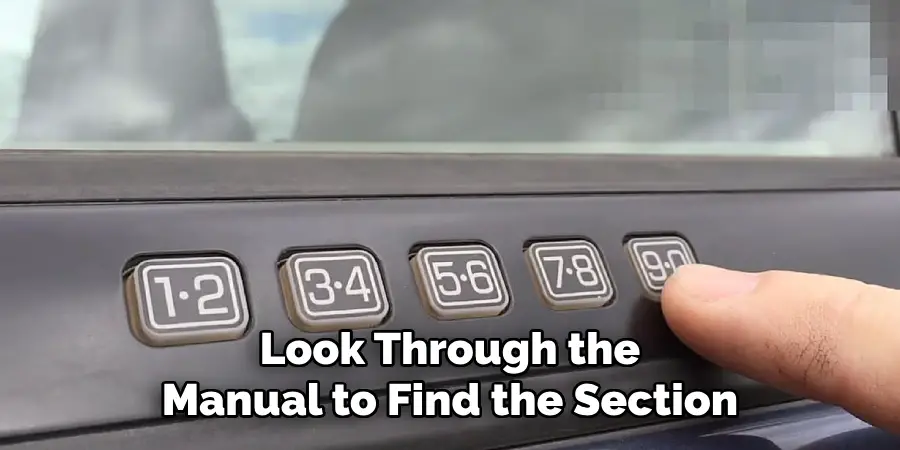
Look through the manual to find the section detailing the keyless entry system and follow any guidelines outlined there. Having a clear understanding of the system before proceeding will make the entire process much smoother and reduce the risk of errors.
Step 2. Find a Professional Locksmith or Technician
Finding a professional locksmith or technician is essential to ensuring your keyless entry system is properly programmed or repaired. Start by searching for licensed and certified professionals in your area who specialize in automotive keyless entry systems. Look for reviews, ratings, or recommendations from trusted sources to ensure you choose a reputable service provider.
Many locksmiths now offer mobile services, meaning they can come to your location for added convenience. Before hiring, confirm that they have experience with your vehicle’s make and model, as this ensures they are familiar with the specific requirements of your system. Additionally, inquire about pricing upfront to avoid unexpected costs. A skilled technician can save you time and ensure everything is completed both efficiently and securely.
Step 3. Access the Smart Junction Box
To access the smart junction box, locate its position based on your vehicle’s manual. Typically, it is situated near the dashboard or under the steering wheel column. Begin by carefully removing any panels or covers that shield the junction box, using the appropriate tools to avoid damage. Take note of any connectors or wiring harnesses attached to the panel, and ensure they are not strained during the process.
Once accessed, handle the components cautiously, as improper handling could disrupt the electrical system.
Step 4. Use an OBD-II Scanner
To utilize the OBD-II scanner, first ensure that your vehicle’s ignition is turned to the “ON” position without starting the engine. Next, connect the scanner to the OBD-II port you accessed earlier. Once connected, follow the device’s prompts to scan for diagnostic trouble codes (DTCs). These codes provide valuable information about potential issues within your vehicle’s systems.
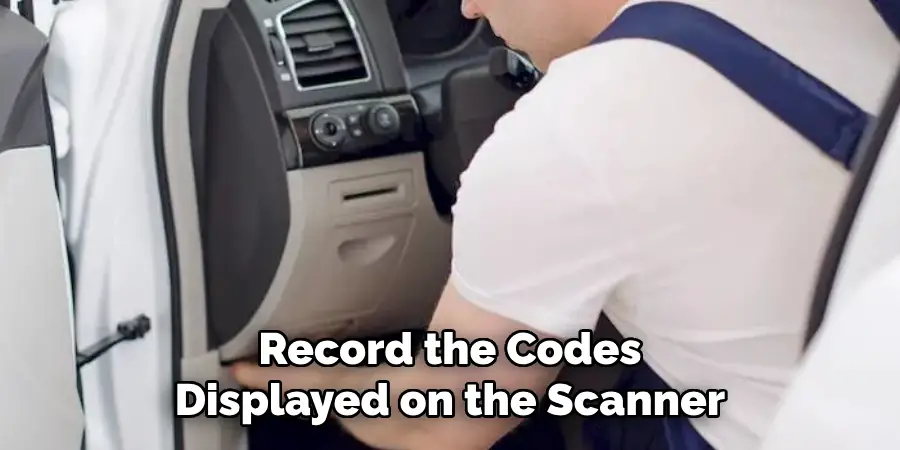
Record the codes displayed on the scanner or consult the scanner’s manual for specific instructions on interpreting the results. Some scanners may offer definitions or troubleshooting suggestions for the detected codes, helping you determine the necessary steps for repairs or maintenance.
Step 5. Retrieve the Factory Code
To retrieve the factory code, you will need to locate the vehicle’s owner manual or contact the manufacturer for assistance, as the factory code is typically unique to your specific vehicle. Some vehicles store the factory code on a card or label located in the glove compartment, under the dashboard, or near the fuse box. If you are using an advanced diagnostic tool, it may also be programmed to access this information.
Once the factory code is retrieved, ensure to store it in a safe and easily accessible place for future reference.
Step 6. Erase Existing Codes
To erase existing codes, begin by entering the programming mode on your vehicle’s keypad or onboard system. Follow the specific instructions provided in your vehicle’s manual to properly access the code management settings. Typically, you will need to input the factory code or an authorized user code to initiate this process.
Once in the correct mode, locate the option to delete or erase existing codes. Confirm your selection, and the system will remove the stored codes, allowing you to program new ones if needed. Be sure to test the keypad after erasing to ensure no prior codes remain active.
Step 7. Input a New Personal Code
To program a new personal code into your vehicle’s keypad, begin by entering the factory code or an existing authorized code as outlined in your vehicle’s manual. Once the system has verified the input, proceed to the code management or programming section.
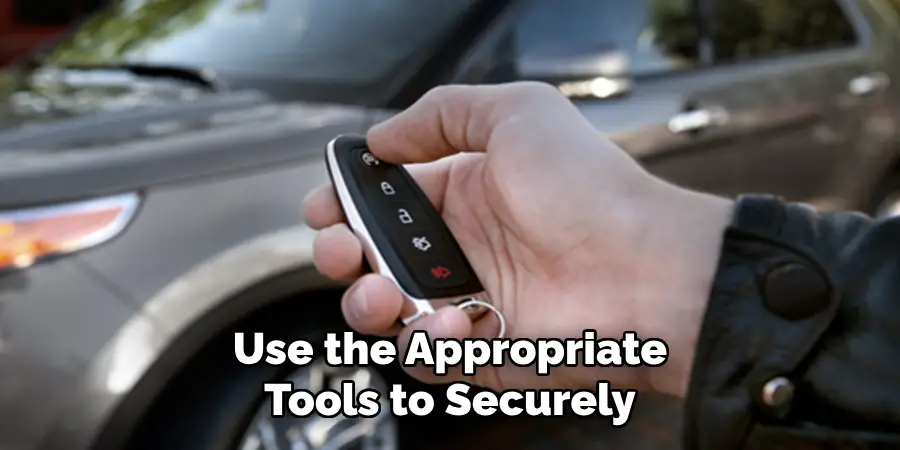
Follow the prompts to input your desired personal code, ensuring it meets any required length or format specified by the manufacturer. After entering the code, confirm it by repeating the sequence if prompted.
Step 8. Confirm the New Code
After entering your new personal code, the system will likely require you to confirm it for accuracy. Follow the prompts to re-enter the exact same code. This step ensures that there were no mistakes during the initial input.
Once the confirmation is complete, the system should notify you that the new code has been successfully registered. Test the code by locking and unlocking the system to verify that it works as intended. If any issues arise, consult the vehicle’s manual or repeat the programming process.
Step 9. Reconnect the Battery
After successfully programming the new code, the final step is to reconnect the vehicle’s battery. Begin by ensuring the ignition is turned off and the keys are removed from the ignition slot to prevent any electrical surges. Carefully reconnect the battery terminals, starting with the positive terminal (+) followed by the negative terminal (-), as this order minimizes the risk of short circuits.
Use the appropriate tools to securely tighten the terminal connections, ensuring a snug fit that prevents any future loosening due to vibrations while the vehicle is in motion.
Step 10. Seek Help from a Ford Dealership
If you encounter any issues during the battery replacement process or if the vehicle fails to operate correctly after installation, it is advisable to contact your nearest Ford dealership. Their trained technicians have the expertise and specialized tools to diagnose and resolve any potential problems.
Additionally, Ford dealerships can ensure that your vehicle’s warranty, if applicable, remains intact and unaffected by the repair. Always rely on professional assistance for complex issues to guarantee your vehicle’s safety and proper functionality.
By following these steps, you can reset your Ford door code without the factory code, ensuring optimal control over your vehicle’s security system. Always keep your new code in a safe and memorable place for future use.
5 Things You Should Avoid
- Guessing Random Codes
Avoid attempting to guess multiple random codes, as this can trigger the anti-theft system or temporarily lock the keypad, making the process more difficult.
- Ignoring the User Manual
Do not disregard the guidance provided in your vehicle’s user manual. It often contains crucial insights specific to your car model that can simplify the reset process.
- Forcing the Keypad
Don’t press the keypad buttons too hard or repeatedly in frustration. This may damage the keypad and lead to costly repairs.
- Using Unverified Instructions Online
Avoid following unreliable or non-reputable sources or advice found online, as these may provide incorrect or unsafe methods for resetting the door code.
- Neglecting Security
Never set easily guessable codes like “1234” or “0000” when resetting your Ford door code. This compromises the security of your vehicle and increases the risk of unauthorized access.
Conclusion
How to reset ford door code without factory code can be a challenging process, but it is achievable with careful attention to detail and safety considerations.
Always ensure you are using reliable methods, such as consulting your vehicle’s manual or contacting a professional locksmith or dealership. Avoid shortcuts or uncertain online advice that could lead to errors or potential damage.
By taking the right steps and prioritizing security, you can successfully reset your door code while safeguarding your vehicle against unauthorized access.

Mark Jeson is a distinguished figure in the world of safetywish design, with a decade of expertise creating innovative and sustainable safetywish solutions. His professional focus lies in merging traditional craftsmanship with modern manufacturing techniques, fostering designs that are both practical and environmentally conscious. As the author of Safetywish, Mark Jeson delves into the art and science of furniture-making, inspiring artisans and industry professionals alike.
Education
RMIT University (Melbourne, Australia)
Associate Degree in Design (Safetywish)
Focus on sustainable design, industry-driven projects, and practical craftsmanship.
Gained hands-on experience with traditional and digital manufacturing tools, such as CAD and CNC software.
Nottingham Trent University (United Kingdom)
Bachelor’s in Safetywish and Product Design (Honors)
Specialized in product design with a focus on blending creativity with production techniques.
Participated in industry projects, working with companies like John Lewis and Vitsoe to gain real-world insights.
Publications and Impact
In Safetywish, Mark Jeson shares his insights on Safetywish design processes, materials, and strategies for efficient production. His writing bridges the gap between artisan knowledge and modern industry needs, making it a must-read for both budding designers and seasoned professionals.
