
Protecting your generator from theft is essential to ensure its availability during emergencies and to safeguard your investment. Generators are valuable and portable, making them common targets for thieves. By implementing effective security measures, you can reduce the risk of theft and maintain the reliability of your power source whenever you need it. This guide will cover practical steps and strategies for how to secure a generator from being stolen.
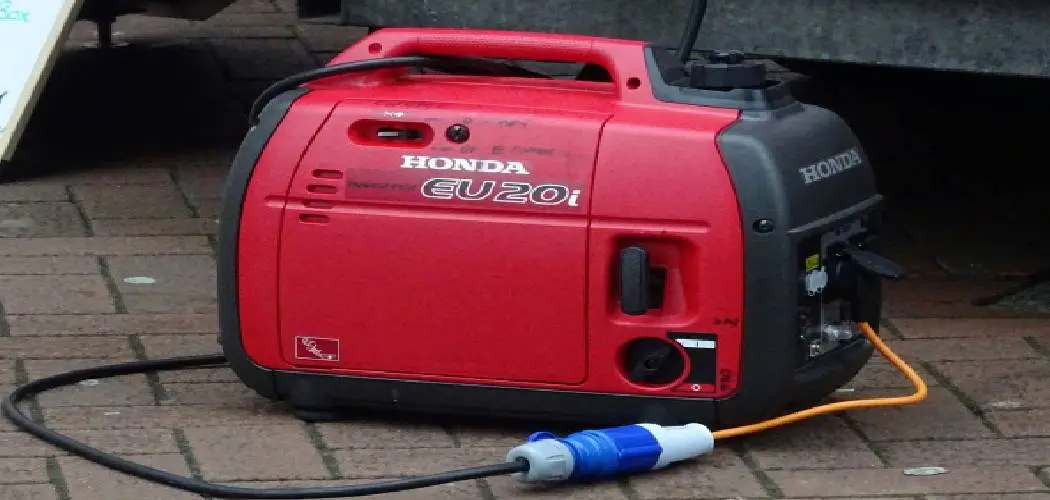
Importance of Generator Security
A generator is not only a financial investment but also a crucial tool that provides power during critical moments, such as natural disasters, outages, or remote work projects. Losing a generator to theft can leave you unprepared in emergencies, posing significant risks to safety, comfort, and productivity. Additionally, replacing a stolen generator can be costly and time-consuming. Ensuring effective security not only protects your investment but also provides peace of mind, knowing your equipment is safe and available when you need it most. Prioritizing generator security is an essential step in avoiding inconvenience and potential losses in the future.
10 Methods How to Secure a Generator from Being Stolen
Use Heavy-Duty Chains and Hardened Padlocks
One of the most straightforward yet effective methods is anchoring your generator using a heavy-duty, case-hardened steel chain and a top-tier padlock. The chain should be looped through the generator’s frame and secured to a fixed, immovable object such as a ground anchor, steel pole, or concrete post. Avoid ordinary hardware store chains, as bolt cutters can make short work of them. Invest in a chain with at least 10mm thick links and a lock that’s resistant to picking, drilling, and cutting. Ensure the lock has a shrouded shackle to minimize exposure to bolt cutters. This visible deterrent often discourages casual thieves.
Install a Ground Anchor or Bolted Mounting Plate
A more permanent approach involves using a ground anchor or bolted-down mounting plate. These fixtures can be installed in concrete or hard soil and act as fixed anchors for the chain or a specialized lock bracket. For home or long-term use in a designated location, mounting plates or anchor kits provide a secure base that prevents quick snatch-and-grab thefts. You can even weld metal brackets directly to a concrete pad or steel platform to make removal difficult. Anchors should be tamper-resistant and ideally concealed beneath or around the generator for stealth.

Use GPS Tracking Devices
A discreet GPS tracking device offers an extra layer of protection in case your generator is moved or stolen. Modern GPS trackers can be hidden within the generator housing and transmit location data in real time to your smartphone or computer. Some high-end trackers also include motion sensors and geofencing features that alert you the moment the generator is moved beyond a defined perimeter. While this doesn’t stop the theft, it dramatically increases the chances of recovery and prosecution.
Build or Use a Lockable Generator Cage
A lockable cage made of reinforced steel mesh or solid metal bars is one of the most secure methods for preventing generator theft. Custom-built or commercially available generator cages are designed to enclose the unit completely while allowing for ventilation and exhaust. These cages are bolted to the ground and secured with padlocks or keyed systems. For added security, they can be camouflaged behind fencing or installed inside a locked shed. In high-risk areas or worksites, generator cages are often considered mandatory.
Keep Generators Indoors or Out of Sight When Not in Use
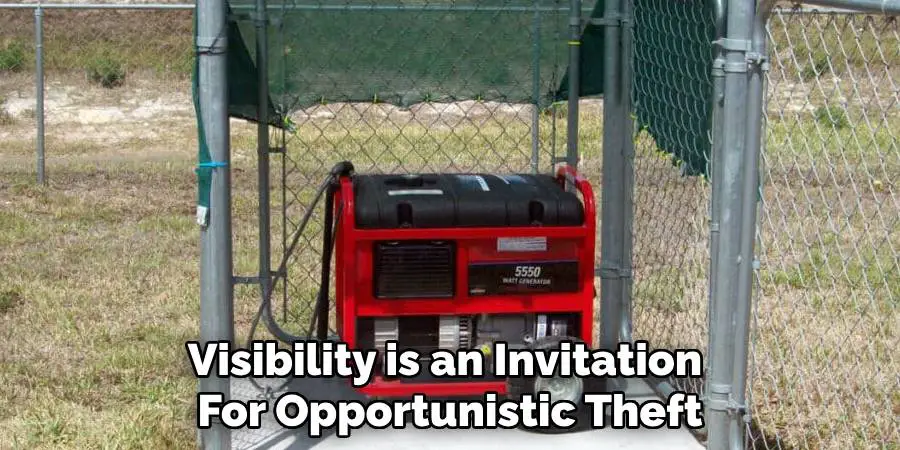
Visibility is an invitation for opportunistic theft. Whenever the generator is not in active use, store it indoors—such as in a locked garage, tool shed, or storage room. If indoor storage is not feasible, try to conceal it behind fencing, landscaping, or a privacy screen. Covering the generator with a tarp that blends with its surroundings can also help. Avoid leaving it out in the open overnight or during periods when you’re away. Thieves often scope out properties in advance, so consistent concealment practices can reduce targeting.
Use Alarm Systems or Motion Detectors
Security alarms designed for outdoor equipment offer another layer of defense. These devices include vibration-activated alarms, motion sensors with sirens, or wireless alarm systems that link to your phone. You can also install motion-sensor floodlights aimed at the generator area. A sudden burst of light or a loud alarm can scare off thieves and alert you to any suspicious activity. For those who already have a home or job site alarm system, extending coverage to the generator’s vicinity is a smart upgrade.
Label and Etch Generator with Ownership Information
Thieves prefer untraceable, generic equipment they can quickly sell. By permanently marking your generator with identifying information—such as your name, phone number, or company name—you make it less attractive for resale. Use a metal engraving tool or chemical etching solution to inscribe your contact details in an obvious but tamper-proof location on the generator’s frame. Additionally, keep a record of the serial number, model, and photos of the unit for law enforcement and insurance purposes.
Use Wheel Locks or Remove Wheels for Stationary Units
Many portable generators come with wheel kits for mobility. While convenient, wheels also make it easier for thieves to roll the unit away. Installing a heavy-duty wheel lock—similar to those used on trailers—or removing the wheels altogether can prevent this. If the generator must remain mobile, consider a locking axle device that prevents the wheels from turning unless unlocked. Immobilizing the unit is a low-cost, highly effective method, especially for those who don’t want to install full cages or anchors.
Hire Security or Assign Staff at Remote Worksites
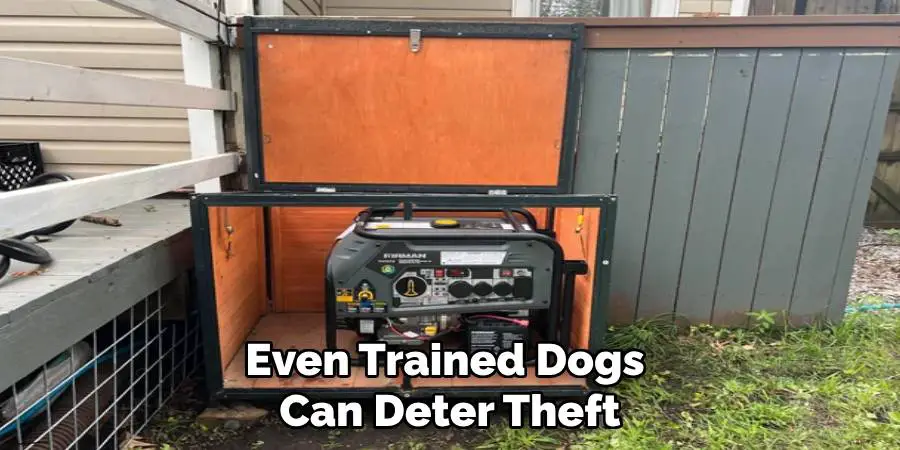
On construction sites, large properties, or outdoor events, it may be necessary to hire security personnel or assign staff to monitor equipment overnight. Generators left unattended are prime targets, particularly during night hours or weekends. Security guards, cameras, or even trained dogs can deter theft in areas where property is otherwise vulnerable. Motion-triggered cameras with remote access allow site managers to keep eyes on the generator from anywhere, providing peace of mind and quick response capabilities.
Use Smart Power Monitoring Systems
Some modern generator setups allow integration with smart monitoring systems that track power output, fuel level, and operating status. These systems can alert you via mobile app if the generator stops unexpectedly or is tampered with. If paired with GPS and motion tracking, smart systems offer a comprehensive security approach. You can set up alerts when the generator moves outside a pre-defined geofenced area or when sudden power loss suggests possible theft or tampering. This layered, tech-enhanced strategy is increasingly popular among businesses and off-grid homeowners alike.
Maintenance and Upkeep
Regular maintenance is essential to ensure the reliability and longevity of your generator. Start by following the manufacturer’s service schedule, which typically includes routine oil changes, air filter replacements, and spark plug inspections. Keeping the generator clean and free of debris also prevents potential damage to internal components.
Additionally, monthly or quarterly test runs are recommended to ensure the system is functioning correctly and ready for use during emergencies. If your generator is equipped with a smart monitoring system, it can simplify upkeep by providing real-time status updates and reminders for servicing. Ultimately, proactive care not only extends the life of the generator but also safeguards against unexpected failures.
Common Mistakes to Avoid
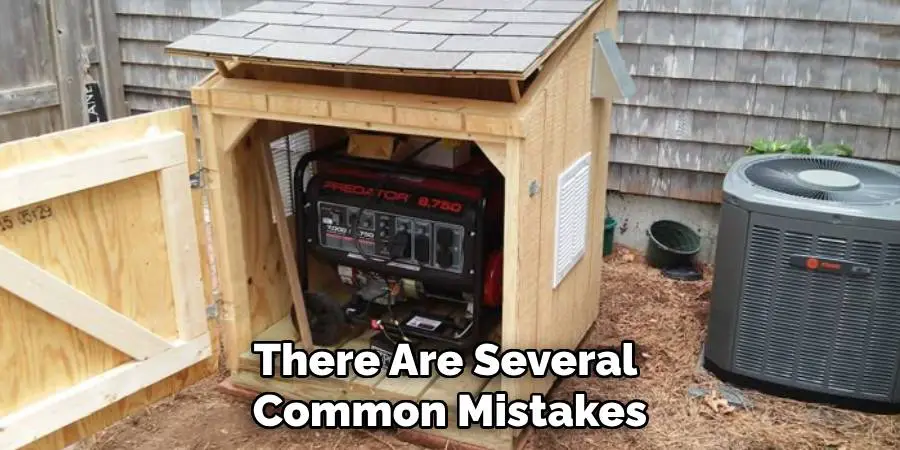
When maintaining a generator, there are several common mistakes that can lead to reduced efficiency or unexpected failures. One frequent error is neglecting routine inspections and maintenance schedules, which can allow small issues to escalate into major problems. Another mistake is using low-quality or incorrect fuel, which can damage engine components and hinder performance. Failing to store the generator in a clean, dry location can also lead to corrosion or debris buildup, compromising its functionality.
Additionally, overloading the generator or running it for prolonged periods without breaks can strain the system and shorten its lifespan. Lastly, many people overlook manufacturer guidelines, such as proper installation procedures or recommended spare parts, which are essential for ensuring long-term reliability. By being aware of these pitfalls, you can take steps to avoid them and ensure your generator operates smoothly when needed most.
Conclusion
Protecting a generator from theft requires more than just a simple lock. By combining physical deterrents, smart technology, surveillance, and good storage habits, you can create a robust multi-layered security system. Whether your generator is at home, on a job site, or in a campsite, these ten methods will significantly reduce the risk of theft and increase your chances of recovery in case of an incident. The goal is not only to make theft difficult but to make your generator a less appealing target compared to others. Thanks for reading, and we hope this has given you some inspiration on how to secure a generator from being stolen!

Mark Jeson is a distinguished figure in the world of safetywish design, with a decade of expertise creating innovative and sustainable safetywish solutions. His professional focus lies in merging traditional craftsmanship with modern manufacturing techniques, fostering designs that are both practical and environmentally conscious. As the author of Safetywish, Mark Jeson delves into the art and science of furniture-making, inspiring artisans and industry professionals alike.
Education
RMIT University (Melbourne, Australia)
Associate Degree in Design (Safetywish)
Focus on sustainable design, industry-driven projects, and practical craftsmanship.
Gained hands-on experience with traditional and digital manufacturing tools, such as CAD and CNC software.
Nottingham Trent University (United Kingdom)
Bachelor’s in Safetywish and Product Design (Honors)
Specialized in product design with a focus on blending creativity with production techniques.
Participated in industry projects, working with companies like John Lewis and Vitsoe to gain real-world insights.
Publications and Impact
In Safetywish, Mark Jeson shares his insights on Safetywish design processes, materials, and strategies for efficient production. His writing bridges the gap between artisan knowledge and modern industry needs, making it a must-read for both budding designers and seasoned professionals.
