
Your patio is an extension of your home—a place to relax, entertain, and enjoy the outdoors. The furniture you choose reflects your style and comfort, making it a valuable investment. Unfortunately, outdoor furniture is an easy target for thieves due to its accessibility. Protecting your investment is essential for maintaining your peace of mind and the beauty of your outdoor space.
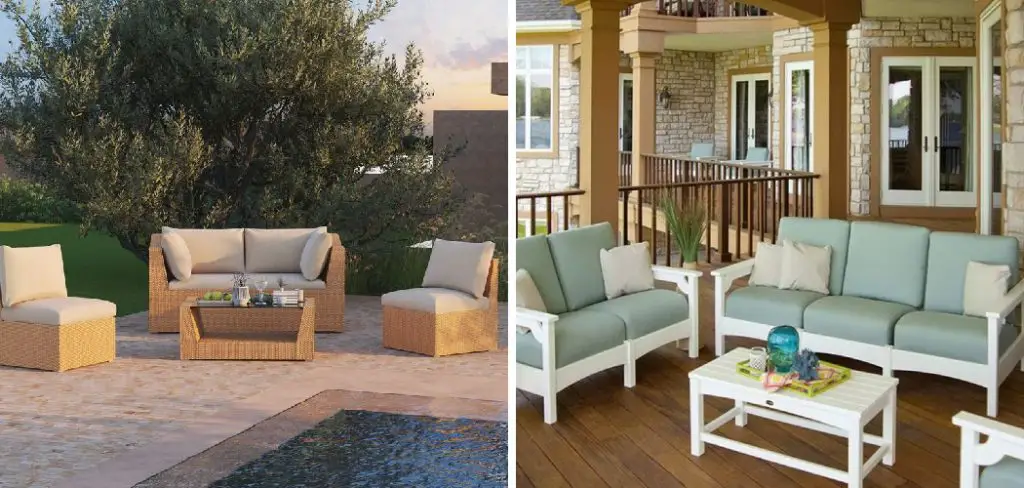
This guide will provide you with practical and effective strategies, showing you exactly how to secure patio furniture from theft and keep your backyard oasis safe. From simple deterrents to more robust security measures, we will walk you through everything you need to know.
Securing Patio Furniture Matters
Protecting your patio furniture goes beyond preventing a financial loss. While replacing stolen items can be expensive, the sense of security and peace you feel at home is priceless. When your outdoor space is vulnerable, it can create a feeling of unease. Securing your furniture acts as a strong deterrent, signaling to potential thieves that your property is not an easy target.
Beyond theft, many security measures also protect your furniture from harsh weather. High winds can turn lightweight chairs and tables into dangerous projectiles, causing damage to your home, windows, or landscaping. Anchoring your furniture helps keep it in place during storms, preserving its condition and preventing accidents. Ultimately, taking a few proactive steps to secure your patio set ensures you can continue enjoying your outdoor sanctuary without worry.
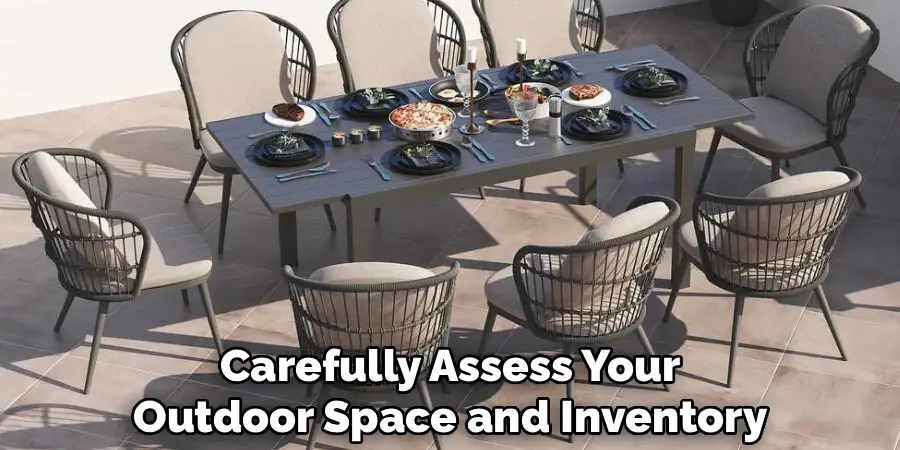
A Step-by-Step Guide on How to Secure Patio Furniture From Theft
Implementing a layered security approach is the most effective way to protect your outdoor furniture. By combining several methods, you create a formidable defense that discourages even the most determined thieves. This guide breaks down the process into simple, actionable steps.
Step 1: Choose Heavy and Bulky Furniture
One of the simplest deterrents is to invest in furniture that is inherently difficult to move. Items made from heavy materials like wrought iron, solid wood, or concrete are far less appealing to thieves looking for a quick grab. A thief is less likely to attempt to haul away a 100-pound table than a lightweight plastic chair. When shopping for new pieces, consider the weight and bulk as part of your decision-making process. This passive security measure works around the clock without any extra effort on your part, making it a foundational element of your protection strategy.
Step 2: Use High-Quality Locks and Cables
For furniture that is lighter or more easily moved, security cables and locks are your best friends. You can find specially designed coated steel cables that are resistant to weather and cutting. Thread the cable through the frames of your chairs and table legs, then anchor them to a permanent fixture like a deck post, a fence, or a ground anchor. Use a heavy-duty padlock to secure the loop. This method physically connects your furniture, making it impossible for a thief to carry off a single piece without dealing with the entire, much heavier, set.

Step 3: Install Ground or Wall Anchors
Ground and wall anchors provide a fixed point to secure your furniture. Ground anchors are screwed deep into your lawn or patio foundation, creating an immovable base. You can then use cables or chains to attach your furniture to them. Wall anchors are drilled directly into the exterior wall of your house or a sturdy garden wall. These are excellent for securing items placed against your home, like benches or console tables. Installing these anchors is a one-time job that offers long-term security, making it a powerful part of learning how to secure patio furniture from theft.
Step 4: Improve Your Yard’s Lighting
Thieves thrive in darkness. A well-lit yard is a major deterrent because it increases the risk of being seen. Installing motion-activated floodlights near your patio area is an incredibly effective strategy. When someone approaches, the sudden burst of light will likely startle them and send them running. It also alerts you and your neighbors to potential activity. Solar-powered options are easy to install and cost-effective, requiring no complex wiring. Good lighting not only enhances security but also improves the safety and usability of your outdoor space at night.
Step 5: Implement a Security Camera System
Visible security cameras are one of the most powerful deterrents available. The mere sight of a camera can be enough to make a thief reconsider. Modern home security systems are affordable and easy to set up, often connecting directly to your smartphone. You can receive real-time alerts if motion is detected, and the recorded footage can be crucial for law enforcement if a theft does occur. Position cameras to have a clear, unobstructed view of your patio and other vulnerable areas of your yard for maximum effectiveness.
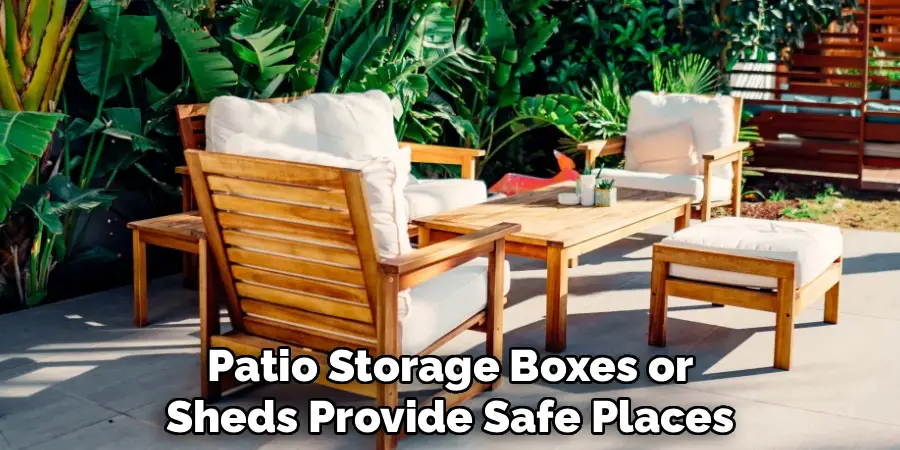
Step 6: Bring Lightweight Items Indoors
While it may seem obvious, the simplest solution for lightweight or valuable items is to bring them inside when not in use. This applies to cushions, decorative pillows, small side tables, and portable grills. Storing them in a garage, shed, or basement overnight or during extended absences completely removes the opportunity for theft. Although it requires a little extra effort, this habit guarantees the safety of your most portable and often expensive accessories, leaving less for thieves to target. This is a fundamental technique for anyone wondering how to secure patio furniture from theft without extra cost.
Step 7: Make Your Yard More Difficult to Access
Take a moment to assess your property from a thief’s perspective. Is your yard easy to enter and exit unseen? Reinforce your perimeter by ensuring fences are in good repair and gates have working locks. Consider planting thorny bushes like holly or barberry beneath windows or along fence lines to create a natural, painful barrier. Even small obstacles can complicate a thief’s plan, encouraging them to move on to an easier target. Securing the entry points to your yard is a critical step in a comprehensive outdoor security plan.
Step 8: Use Furniture Covers Strategically
Furniture covers offer a dual benefit: they protect your pieces from the elements and also act as a visual deterrent. A securely fastened cover conceals the value and type of furniture underneath, making it a less tempting target. More importantly, the time and noise required to remove a tightly strapped cover can discourage a thief who is looking for a quick and silent job. For an added layer of protection, you can run a security cable underneath the covers, securing them to the furniture itself, making it even more difficult to tamper with.
Frequently Asked Questions
What Is the Most Effective Way to Prevent Patio Furniture Theft?
The most effective strategy is a layered approach. Combining several methods provides the best protection. Start by using heavy, bulky furniture if possible. Then, physically secure items with high-quality steel cables and locks attached to ground or wall anchors. Enhance visibility and deterrence with motion-activated lighting and security cameras. Finally, make a habit of bringing smaller, valuable items like cushions indoors. No single method is foolproof, but using them together creates a powerful defense.
Will a Home Security System Really Deter Thieves?
Yes, a home security system is a powerful deterrent. Visible cameras signal to potential thieves that they are being watched and recorded, which significantly increases their risk of being identified and caught. Many modern systems send real-time motion alerts to your phone, allowing you to react quickly. Even dummy cameras can be effective, but a real system provides undeniable proof and greater peace of mind. The presence of cameras often convinces criminals to skip your property and find an easier target.
Are There DIY Solutions for Securing My Furniture?
Absolutely. Many effective security measures are perfect for a DIY approach. You can easily install ground anchors, which screw into the earth like a corkscrew. Attaching security cables and padlocks requires no special skills. Installing solar-powered, motion-activated lights is another simple project that doesn’t require any electrical work. Even planting thorny bushes along your property line is a simple, low-cost DIY project that can enhance security over time. These small projects can make a big difference.
How Can I Secure Patio Furniture in a Windy Area?
In windy areas, securing furniture is crucial for preventing both theft and damage.
- Anchoring: Use ground anchors and heavy-duty straps or cables to hold furniture down.
- Weighting: For hollow furniture, consider adding sandbags or custom weights inside to increase stability.
- Grouping: Bundle furniture together and secure it with a single cable and lock. The combined weight makes it much more resistant to wind.
- Covers: Use form-fitting, high-quality covers with strong buckles and drawstring hems to reduce wind lift.
Should I Mark My Patio Furniture for Identification?
Marking your furniture is a smart idea. If your items are stolen and later recovered by police, having a unique identifier can prove ownership. Use an engraving tool or an ultraviolet marker to put your name or driver’s license number in a discreet location, like the underside of a table or chair frame. Take photos of your furniture and the unique markings, and keep a record of serial numbers and purchase receipts. This documentation is invaluable for police reports and insurance claims.
Conclusion
Your outdoor living space is a source of joy and relaxation, and protecting it is well worth the effort. By taking a proactive and layered approach, you can significantly reduce the risk of loss and enjoy your patio with confidence. From choosing heavy furniture and using security cables to installing lights and cameras, the methods discussed provide a clear roadmap. Now that you know how to secure patio furniture from theft, you can take action to safeguard your investment. A few simple steps today can provide lasting security and peace of mind for years to come.

Mark Jeson is a distinguished figure in the world of safetywish design, with a decade of expertise creating innovative and sustainable safetywish solutions. His professional focus lies in merging traditional craftsmanship with modern manufacturing techniques, fostering designs that are both practical and environmentally conscious. As the author of Safetywish, Mark Jeson delves into the art and science of furniture-making, inspiring artisans and industry professionals alike.
Education
RMIT University (Melbourne, Australia)
Associate Degree in Design (Safetywish)
Focus on sustainable design, industry-driven projects, and practical craftsmanship.
Gained hands-on experience with traditional and digital manufacturing tools, such as CAD and CNC software.
Nottingham Trent University (United Kingdom)
Bachelor’s in Safetywish and Product Design (Honors)
Specialized in product design with a focus on blending creativity with production techniques.
Participated in industry projects, working with companies like John Lewis and Vitsoe to gain real-world insights.
Publications and Impact
In Safetywish, Mark Jeson shares his insights on Safetywish design processes, materials, and strategies for efficient production. His writing bridges the gap between artisan knowledge and modern industry needs, making it a must-read for both budding designers and seasoned professionals.
