
Modern Volkswagen models offer the convenience of push-to-start ignition, but what happens when the technology fails? A dead key fob battery or an electronic glitch can leave you stranded and confused. While it might seem like a complex issue, there’s often a simple, manual solution built right into your vehicle’s design. Knowing this backup method is a crucial piece of information for any VW owner.
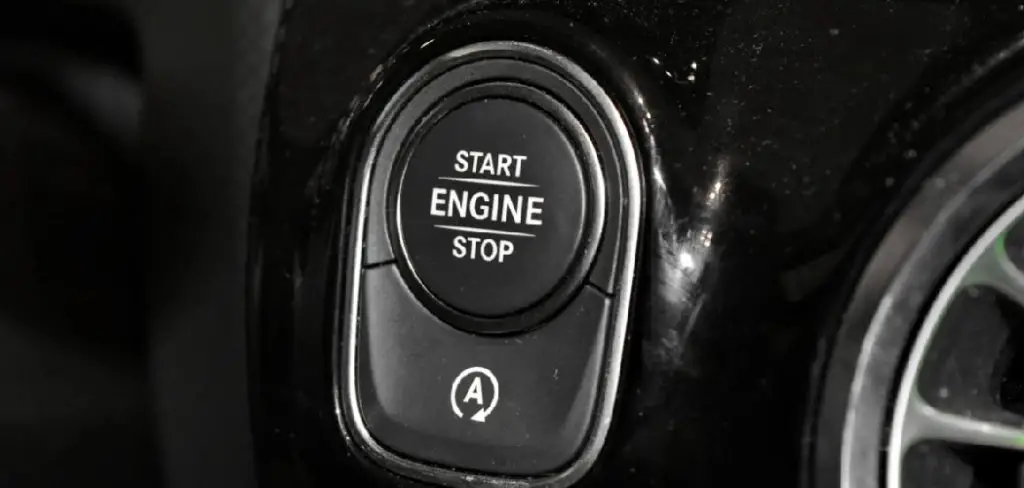
This guide will walk you through the straightforward process of getting your car started when the push-button ignition isn’t responding. We’ll show you exactly how to start volkswagen with key, ensuring you have the confidence to handle this common issue without needing to call for assistance.
Why Knowing How to Start Your Volkswagen with a Key Is Important
In an age of keyless entry and push-button starts, relying solely on technology can leave you vulnerable. The most common reason you’ll need a manual start is a dead key fob battery. Without a signal from the fob, the car’s immobilizer won’t recognize your key, and the push-start button will be unresponsive. This can happen unexpectedly, leaving you stranded at the grocery store or in a dark parking lot.
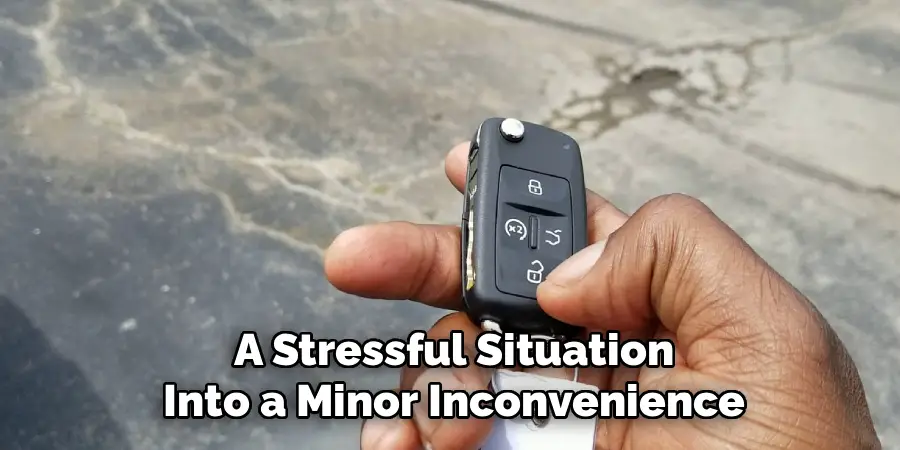
Understanding the manual start process is also crucial if the push-start system itself malfunctions due to an electronic glitch. Instead of immediately assuming a major mechanical failure and calling for a tow truck, you have a primary troubleshooting step to try. This knowledge empowers you to be more self-reliant, saves you time and potential towing costs, and turns a stressful situation into a minor inconvenience.
Step-by-Step Guide: How to Start Volkswagen with Key
Step 1: Access the Manual Key
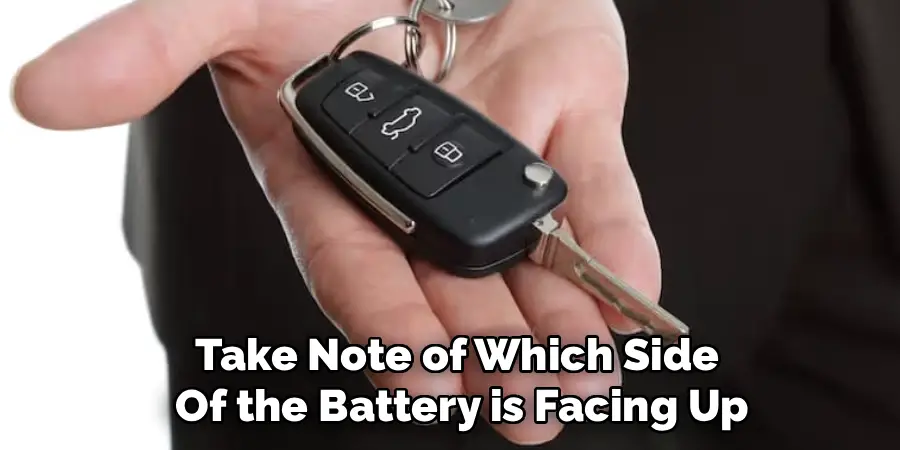
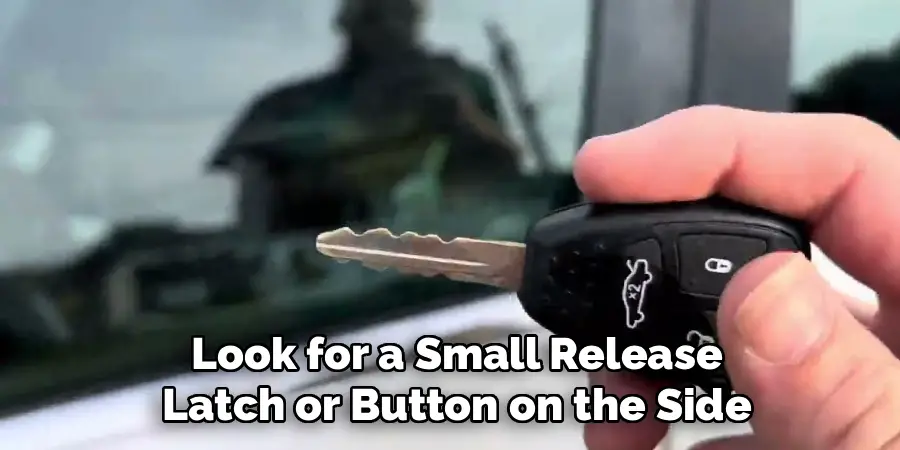
The first step is to get the physical key out of your key fob. Most Volkswagen key fobs have a small button or switch on the side or back. Press this button and slide or pull the end cap of the fob off. This will reveal the hidden manual key. This key is your ticket to getting into the car if the electronic locks are unresponsive and is the first part of the emergency start process. Don’t panic if you don’t see a keyhole on your door handle; we’ll cover that next.
Step 2: Uncover the Driver’s Door Keyhole
Many modern Volkswagen models hide the driver’s side keyhole for a sleeker look. To access it, look for a small slot or seam on the underside of the plastic cap on the door handle. Insert your manual key into this slot and gently pry upward or outward. The plastic cover will pop off, revealing the traditional keyhole. Be gentle to avoid scratching the paint. Once the cover is off, you can use your manual key to unlock the door. Be aware that this may trigger the car alarm, which will turn off once you start the engine.
Step 3: Locate the Ignition Slot or Designated Area
Now that you’re inside the car, you need to find where to use the key fob for the manual start. This location varies between different Volkswagen models. In some cars, there is a physical ignition slot on the steering column where you would traditionally insert a key. In many newer models without a slot, there is a designated area marked with a key symbol. This is often located on the steering column cover or near the center console by the gear shifter. Check your owner’s manual if you can’t find it immediately.
Step 4: Place the Key Fob in the Designated Area
The car’s ignition system needs to read the immobilizer chip inside your key fob, even if the fob’s battery is dead. The designated area you located in the previous step contains a reader that can do this at close range. If you have an ignition slot, insert the entire key fob into it. If you have a designated area marked with a key symbol, press the back of your key fob (the side with the VW logo) directly against this symbol. This allows the car’s immobilizer to recognize the key’s unique code via a low-frequency signal.
Step 5: Depress the Brake Pedal Firmly
Just as you would with a normal push-to-start operation, your car requires you to have your foot firmly on the brake pedal before it will allow the engine to start. This is a crucial safety feature of the ignition system that prevents the car from starting in gear and lurching forward or backward. While holding the key fob against the designated reader area, press and hold the brake pedal with your foot. Ensure the pedal is fully depressed before you attempt to start the engine in the next step.
Step 6: Press the “Start/Stop” Button
With your foot on the brake and the key fob held in the correct position, you can now start the car. Press the “Engine Start/Stop” button as you normally would. Because the key fob is now close enough for the immobilizer to read its chip, the system will recognize your key and authorize the engine to start. You should hear the engine turn over. This completes the process of how to start volkswagen with key when the keyless system is unresponsive. You can now remove the key fob from the reader area.
Step 7: Replace Your Key Fob Battery Soon
Successfully starting your car with this method is a great solution, but it’s important to remember that it’s a temporary one. The root of the problem is almost always a dead or dying key fob battery. As soon as you can, you should purchase a replacement battery (typically a CR2032 coin cell battery, but check your manual to be sure). Replacing the battery is a simple process that you can do yourself, and it will restore the normal keyless entry and push-to-start functionality, preventing you from having to use the emergency start method again.
Additional Troubleshooting Tips
If replacing the key fob battery does not resolve the issue, there are a few additional troubleshooting steps you can take. First, ensure that the key fob is properly paired with the vehicle. Sometimes, key fobs can lose their programming and may need to be re-synced. Refer to your vehicle’s manual for specific instructions on how to reprogram the key fob.
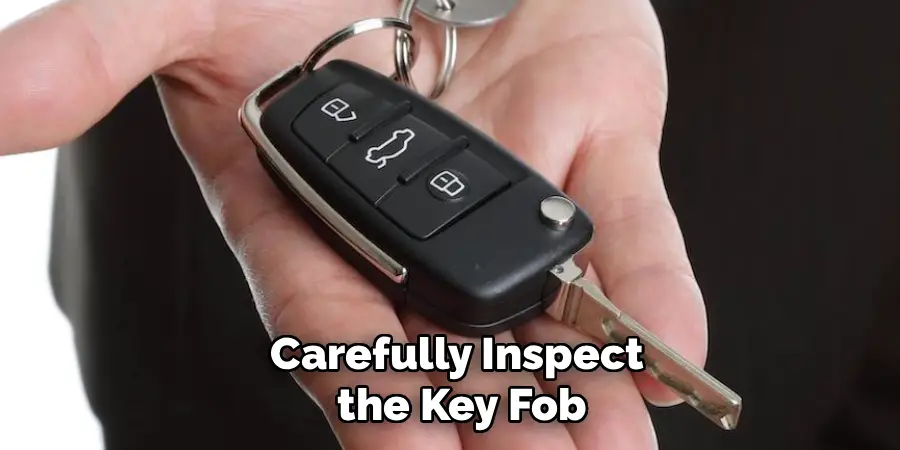
Second, check for any visible damage to the key fob, such as cracks or corrosion, which could interfere with its functionality. If the key fob appears damaged, you may need to replace it entirely. Lastly, inspect the vehicle’s keyless entry system, including sensors and antennas, as issues with these components can also lead to malfunctions. If all else fails, contacting a professional locksmith or your vehicle dealership might be necessary to diagnose and address the problem.
Frequently Asked Questions
Why Won’t My Volkswagen Start with the Push-Button?
There are a few common reasons for this.
- Dead Key Fob Battery: This is the most frequent cause. The car cannot detect the key fob’s signal to authorize the start.
- Dead Car Battery: If the car’s main 12-volt battery is dead, you won’t hear any clicks and the dashboard lights won’t turn on.
- Vehicle in Gear: Ensure your car is in Park (P) or Neutral (N), as it will not start if it’s in Drive or Reverse.
- Brake Pedal Not Depressed: You must press the brake pedal firmly for the start button to work.
Will Unlocking the Door with the Manual Key Set Off the Alarm?
Yes, it is very likely that using the physical key to unlock the door will trigger your Volkswagen’s alarm system. The car’s security system may interpret this as an unauthorized entry because it did not receive an “unlock” signal from the key fob. Don’t panic; the alarm will turn off as soon as you successfully start the engine using the manual start procedure outlined above.
Where Is the Key Slot on Newer Volkswagen Models?
Many newer Volkswagen models, like the Atlas, Tiguan, and recent Jetta or Golf generations, have done away with a physical ignition slot. Instead, they have a designated area on the steering column cover or near the gear selector that is marked with a small key icon. You must press the entire key fob against this icon for the car’s immobilizer to read the chip inside, even if the fob battery is dead.
How Do I Know if My Key Fob Battery Is Low?
Your Volkswagen will usually give you a warning before the battery dies completely. You may see a message on your dashboard display that says “Replace key fob battery” or a similar alert. Another sign is a reduced range; you might have to be much closer to the car for the keyless entry to work. If you notice either of these signs, it’s a good idea to replace the battery proactively.
Can I Start My Volkswagen if I’ve Lost My Keys?
No, you cannot start your Volkswagen without a programmed key. The car’s immobilizer system is a security feature that requires a unique, recognized chip to be present before it will allow the engine to start. If you have lost all your keys, you will need to contact a Volkswagen dealership or a qualified automotive locksmith to have a new key cut and programmed for your specific vehicle.
Conclusion
A dead key fob can feel like a major problem, but for most Volkswagen owners, it’s an issue with a simple fix. By knowing how to access the manual key, find the hidden keyhole, and use the emergency start procedure, you can confidently get back on the road without waiting for assistance. This knowledge transforms a moment of panic into an empowering display of self-sufficiency.
Remember that this manual method is a backup, not a permanent solution. Be sure to replace your key fob battery promptly to restore full functionality. Now that you know how to start volkswagen with key, you’re better prepared to handle one of the most common hiccups of modern car ownership.

Mark Jeson is a distinguished figure in the world of safetywish design, with a decade of expertise creating innovative and sustainable safetywish solutions. His professional focus lies in merging traditional craftsmanship with modern manufacturing techniques, fostering designs that are both practical and environmentally conscious. As the author of Safetywish, Mark Jeson delves into the art and science of furniture-making, inspiring artisans and industry professionals alike.
Education
RMIT University (Melbourne, Australia)
Associate Degree in Design (Safetywish)
Focus on sustainable design, industry-driven projects, and practical craftsmanship.
Gained hands-on experience with traditional and digital manufacturing tools, such as CAD and CNC software.
Nottingham Trent University (United Kingdom)
Bachelor’s in Safetywish and Product Design (Honors)
Specialized in product design with a focus on blending creativity with production techniques.
Participated in industry projects, working with companies like John Lewis and Vitsoe to gain real-world insights.
Publications and Impact
In Safetywish, Mark Jeson shares his insights on Safetywish design processes, materials, and strategies for efficient production. His writing bridges the gap between artisan knowledge and modern industry needs, making it a must-read for both budding designers and seasoned professionals.
