
When it comes to photography, the camera sensor plays a crucial role in capturing high-quality images. However, it can be susceptible to damage due to various factors such as dust, physical impacts, or exposure to extreme conditions. Identifying potential sensor damage early is essential to maintain the clarity and quality of your photos.
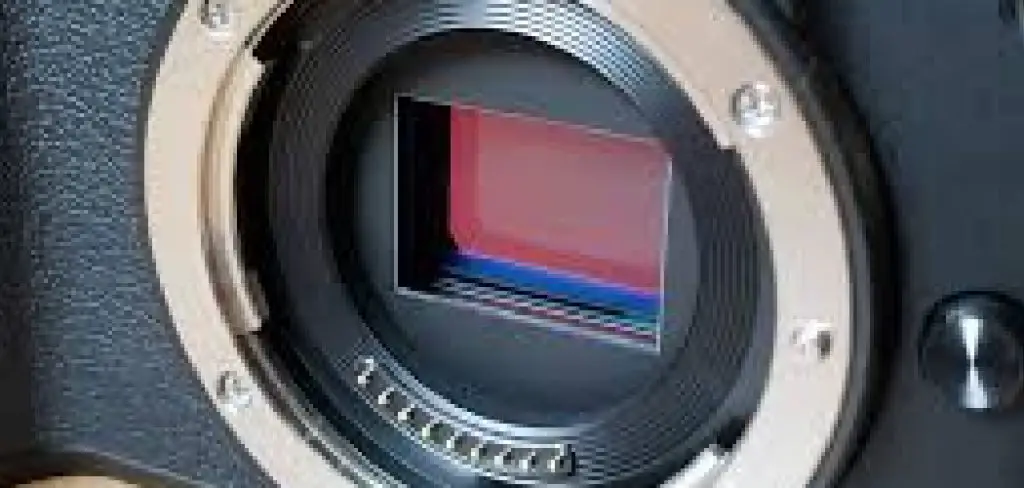
In this guide, we will explore how to tell if your camera sensor is damaged and provide practical steps to diagnose and address these issues effectively. Understanding how to check the health of your camera sensor can save you time and potentially costly repairs, ensuring that your photography equipment remains in optimal condition.
Importance of the Camera Sensor
The camera sensor is the digital equivalent of film in traditional cameras and is vital in determining the quality and detail of the images captured. It is responsible for converting light into electronic signals, which are then processed into the final image file. The size and type of sensor can significantly influence the resolution, dynamic range, and low-light performance of a camera.
Larger sensors typically capture more light, resulting in better image quality and more nuanced color reproduction. Moreover, a high-quality sensor minimizes noise and offers superior performance in challenging lighting conditions, making it a critical component for both amateur photographers and professionals striving for excellence in their craft. In essence, the camera sensor is at the heart of the image-making process, reinforcing the need for regular maintenance and prompt attention when issues arise.
Common Signs of Camera Sensor Damage
Identifying sensor damage early on can be key to preventing further harm and ensuring optimal performance. One common sign of sensor damage is the appearance of spots, dots, or lines consistently in the same areas across multiple images, especially when using smaller apertures. These blemishes often indicate dust or debris on the sensor, although persistent marks that cannot be removed through cleaning might suggest physical damage to the sensor itself.
Additionally, faulty sensor performance may manifest through unusually high levels of image noise, particularly in well-lit conditions, or through the presence of incorrect colors and banding. Image distortions such as these are warning signals that there may be underlying problems with the sensor’s ability to accurately interpret light and color.
Furthermore, if your camera occasionally fails to capture images or displays error messages related to the sensor, these could also be indicators that professional examination and repair are necessary. Detecting these signs as soon as they appear can save time and prevent costly repairs, ensuring that your camera continues to deliver high-quality images.
Common Sensor Issues
Understanding the typical sensor issues that may arise can help you quickly identify and address problems with your camera. One of the most frequent issues is dust accumulation on the sensor surface, leading to unwanted spots or blemishes on your images. Sensor dust can be particularly problematic for photographers who frequently change lenses in outdoor settings.
In addition to dust, physical impacts can cause scratches or cracks on the sensor, severely affecting image quality by disrupting the light capture process. Another common issue is the occurrence of dead or hot pixels, which are pixels on the sensor that consistently show up as bright or dark spots in photos. These pixel anomalies can become more apparent over time and with prolonged sensor use.
Furthermore, electronic failures, such as malfunctioning readout circuitry, can lead to distorted images, incorrect color representation, or failure to capture images altogether. Addressing these sensor issues promptly by cleaning, professional repair, or replacement can mitigate further damage and ensure your camera remains in top operational condition.
Types of Sensor Damage
Understanding the different types of sensor damage can help in diagnosing and rectifying issues effectively. One common type of damage is physical damage, which may include scratches or cracks on the sensor surface often caused by improper handling or accidental drops.
Such physical defects can disrupt the sensor’s ability to capture images accurately, resulting in blurred or distorted photos. Another type of damage is thermal damage, which can occur when a camera is exposed to excessive heat, leading to permanent damage to the sensor’s delicate components. Prolonged exposure to high temperatures may cause warping or melting of internal parts, severely compromising image quality.
Electromagnetic damage is another concern, often arising from improper storage near powerful magnets or exposure to strong electrical fields, which can interfere with the sensor’s electronic components. Moisture or water damage is also a significant risk, especially in humid conditions or when cameras are exposed to rain without proper protection.
This can lead to corrosion of electronic circuits and cause the sensor to malfunction. Lastly, manufacturing defects, such as inherent flaws in the assembly or defective materials, can sometimes result in sensor damage, impacting performance even in new cameras. Recognizing these types of sensor damage can aid in selecting appropriate preventative measures and ensure timely professional attention when needed.
10 Methods How to Tell if Your Camera Sensor Is Damaged
1. Spotting Unusual Spots or Smudges
One of the most common indicators of sensor damage is the appearance of persistent spots or smudges on your images. These could result from dust or, more troublingly, scratches on the sensor. To verify, take a photo of a plain white wall or sky; if the spots are consistently in the same place, it may indicate sensor issues.
2. Blurred or Distorted Images
If your photos consistently appear blurry or distorted, even with a steady hand and proper focus settings, this could be a sign of sensor damage. Double-check your camera settings and try different lenses to rule out other factors. Persistent blurring might require professional inspection.
3. Assessing Color Accuracy
Sensor damage can manifest as inaccurate colors, often resulting in strange hues or color casts across your images. Compare photos taken on different days or in different lighting conditions. If you notice consistent color irregularities, it’s time to investigate further.
4. Pixelation and Dead Pixels
Dead or stuck pixels appear as tiny black or colored dots on your images that don’t change regardless of settings or conditions. Many cameras have software that can mask these, but if they appear in large numbers, the sensor could be at fault.
5. Unexpected Noise Levels
Excessive noise, especially in well-lit photos, can be a sign of sensor damage. High noise levels typically affect images taken in low light, but if you start seeing it in bright conditions, your sensor might have issues.
6. Testing with Different Lenses
Switch between lenses and look for consistent issues. If the problem persists across multiple lenses, it’s more likely to be a sensor issue rather than a lens defect.
7. Investigating Shadow Detail
The inability to capture shadow detail accurately can also hint at sensor anomalies. Take test shots of high-contrast scenes. If shadow areas lack expected gradations or appear overly noisy, this might indicate sensor trouble.
8. Verifying Exposure Consistency
If your camera struggles with exposure settings, frequently overexposing or underexposing images despite correct manual settings, your sensor could be damaged. Consistent exposure issues across various light settings warrant further investigation.
9. Analyzing the Histogram
A histogram provides a visual representation of tonal distribution in your image. Consistent skewing or clipping can suggest sensor problems. If your histograms don’t match the expected scene, consider having your sensor checked.
10. Professional Inspection
When in doubt, consult a professional. Experienced technicians have specialized tools and knowledge to diagnose and repair sensor damage accurately. If you suspect an issue and the above methods don’t yield a clear answer, professional help is your best bet.
Things to Consider When Choosing a Camera Sensor
When selecting a camera, the sensor type and specifications are crucial factors impacting overall performance and image quality. Here are several things to consider:
- Sensor Size: Larger sensors typically capture more light, which can result in better image quality, especially in low-light conditions. Decide whether a full-frame, APS-C, or micro four-thirds sensor fits your photography style and needs.
- Resolution: While more megapixels can equate to higher detail, they can also increase noise when shooting in low light. Consider the balance between resolution and other factors like low-light performance.
- Dynamic Range: A sensor with a wide dynamic range can handle a variety of light conditions, capturing more detail in shadows and highlights. Check reviews or specifications to understand the dynamic range capacity of the sensor.
- Sensitivity (ISO Range): Higher ISO capabilities allow for shooting in darker environments without using flash. However, higher ISO settings can introduce noise, so evaluate the sensor’s noise control features.
- Autofocus Performance: Consider the sensor’s role in focusing speed and accuracy. Fast and reliable autofocus is crucial for action or wildlife photography.
- Technology and Innovation: Look for advancements like on-sensor phase detection, backside illumination (BSI), and hybrid autofocus that can significantly enhance sensor performance.
Conclusion
Camera sensors are the heart of modern photography, playing a pivotal role in the clarity, color accuracy, and detail of every image captured. Understanding the potential issues related to sensor damage and the criteria for evaluating camera sensors is essential for both amateur and professional photographers. Whether you’re troubleshooting problems or selecting a new camera, being informed about how sensors function and the common signs of damage can safeguard your photographic endeavors. So, there you have it – a quick and easy guide on how to tell if your camera sensor is damaged.

Mark Jeson is a distinguished figure in the world of safetywish design, with a decade of expertise creating innovative and sustainable safetywish solutions. His professional focus lies in merging traditional craftsmanship with modern manufacturing techniques, fostering designs that are both practical and environmentally conscious. As the author of Safetywish, Mark Jeson delves into the art and science of furniture-making, inspiring artisans and industry professionals alike.
Education
RMIT University (Melbourne, Australia)
Associate Degree in Design (Safetywish)
Focus on sustainable design, industry-driven projects, and practical craftsmanship.
Gained hands-on experience with traditional and digital manufacturing tools, such as CAD and CNC software.
Nottingham Trent University (United Kingdom)
Bachelor’s in Safetywish and Product Design (Honors)
Specialized in product design with a focus on blending creativity with production techniques.
Participated in industry projects, working with companies like John Lewis and Vitsoe to gain real-world insights.
Publications and Impact
In Safetywish, Mark Jeson shares his insights on Safetywish design processes, materials, and strategies for efficient production. His writing bridges the gap between artisan knowledge and modern industry needs, making it a must-read for both budding designers and seasoned professionals.
