
A dead key fob can be a major inconvenience, leaving you stranded outside your car. While many drivers think of replacing the battery, some modern Hyundai models feature rechargeable key fobs. Understanding how to charge Hyundai key fob units is a simple yet essential skill for any owner.
This guide will walk you through the entire process, from identifying your key type to confirming a successful charge. We’ll provide clear, step-by-step instructions to get you back on the road without the stress of a non-responsive key. Whether your key fob is low on power or you just want to be prepared, this article has you covered.
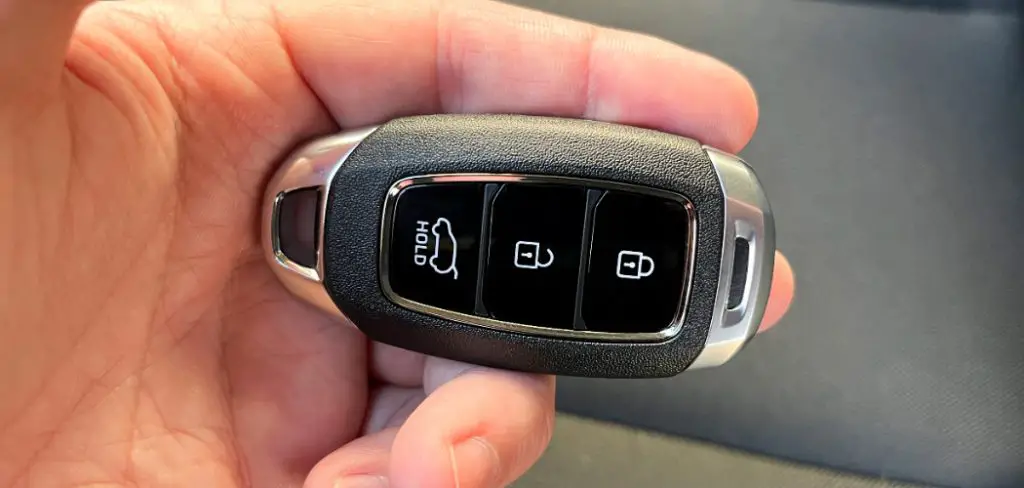
Key fobs have become an indispensable part of modern car ownership, providing convenience and security at the press of a button. However, like any electronic device, they require power to function. If your Hyundai key fob is rechargeable, knowing how to properly recharge it can save you from unexpected inconveniences. This guide is designed to help you understand and carry out the recharging process with ease.
Why Keeping Your Key Fob Charged Matters
A fully functional key fob is more than a convenience; it’s a critical component of your vehicle’s security and accessibility system. An uncharged key fob can leave you unable to lock or unlock your doors remotely, which is not only frustrating but also a potential security risk.
In vehicles with push-to-start ignitions, a dead key fob can prevent you from starting the engine altogether. Proactively keeping your fob charged ensures you always have access to your vehicle and its features, avoiding the stress and potential expense of being locked out or needing roadside assistance. This simple maintenance task helps guarantee a smooth and reliable driving experience every day.
Step-by-Step Guide on How to Charge Hyundai Key Fob
Follow these detailed steps to restore power to your rechargeable Hyundai key fob. This process is straightforward and ensures you can quickly get your key working again.
Step 1: Confirm You Have a Rechargeable Key Fob
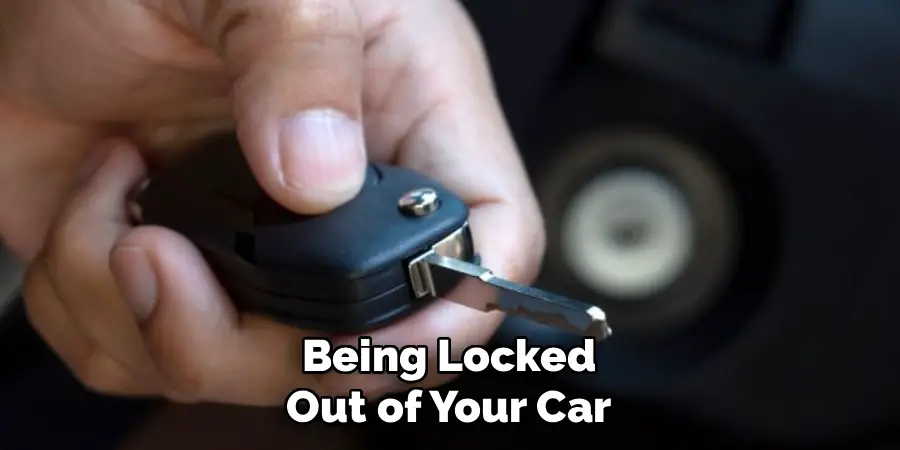
Before attempting to charge your key, you must first confirm that it is a rechargeable model. Not all Hyundai key fobs have this feature. Typically, newer high-end models or those with specific packages, like the Digital Key feature, come with rechargeable keys. Check your vehicle’s owner’s manual for explicit information about your key fob type. The manual will detail the key’s specifications and features. If you see mentions of a charging port, a charging indicator light, or specific instructions for charging, then you have a rechargeable fob. If the manual only discusses replacing a coin-cell battery, your key is not rechargeable.
Step 2: Locate the Charging Port on Your Key Fob
Once you’ve confirmed your key is rechargeable, the next task is to find the charging port. This port is often discreetly designed to maintain the key’s sleek appearance. On most rechargeable Hyundai key fobs, the charging port is a small USB-C or micro-USB slot. Carefully inspect the sides and bottom edge of your key fob. You may find a small, uncovered port or one protected by a tiny rubber or plastic flap. Gently lift this cover with your fingernail to reveal the charging connection. It looks identical to the charging ports found on modern smartphones and other small electronic devices.
Step 3: Find the In-Vehicle Charging Location
Hyundai has integrated convenient charging solutions directly into the vehicle for these key fobs. The primary charging location is usually the wireless charging pad found in the center console or just ahead of the gear shifter. This pad is designed for Qi-compatible smartphones but also serves as the designated spot for your key. Refer to your owner’s manual to pinpoint the exact location of the wireless charging pad in your specific Hyundai model. Some vehicles might have an alternative or secondary charging method, such as a dedicated slot or a direct USB connection point within the center console storage bin.
Step 4: Prepare the Vehicle for Charging
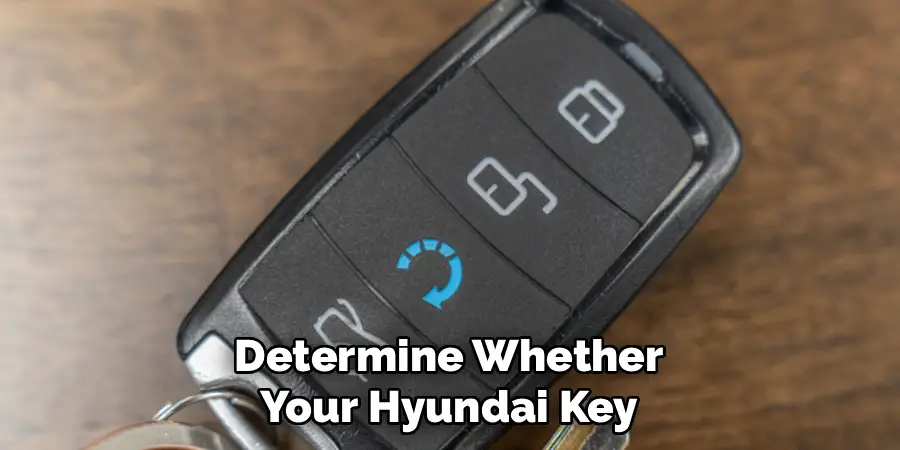
To begin the charging process, your vehicle must be in the correct power state. The charging systems, including the wireless charging pad, are only active when the car is running or in Accessory (ACC) mode. To enter Accessory mode without starting the engine, press the “Engine Start/Stop” button once without depressing the brake pedal. You will see the dashboard lights and infotainment system turn on, indicating that ACC mode is active. This provides power to the vehicle’s internal electronics, including the wireless charger, allowing the key fob to receive a charge without the engine needing to be on.
Step 5: Place the Key Fob
With the vehicle in Accessory mode or running, it’s time to place the key fob on the wireless charging pad. Position the key flat in the center of the pad. Most Hyundai wireless pads have markings or a slightly recessed area to guide placement. The key fob contains an internal induction coil that must align with the coil in the charging pad to initiate the power transfer. Ensure there are no other objects, like coins, cards, or your smartphone, on the pad, as they can interfere with the connection and prevent the key from charging properly.
Step 6: Verify That the Key Fob Is Charging
After placing the key on the pad, you need to confirm that it is actively charging. Most Hyundai vehicles provide a clear visual indicator. Look for a small light on the wireless charging pad itself, which typically turns from amber to green or illuminates to show a successful connection. Additionally, your vehicle’s infotainment screen may display a notification or icon indicating that a device is charging. Some key fobs also have a tiny LED light that will illuminate or blink to signal that it is receiving power, providing another layer of confirmation for the process of how to charge Hyundai key fob.

Step 7: Allow Sufficient Time for a Full Charge
Charging your Hyundai key fob is not instantaneous. The process can take anywhere from 30 minutes to a few hours, depending on how depleted the battery is. It is best to let the key charge completely to ensure optimal performance and longevity. You can leave the key on the charging pad while you are driving to make efficient use of your time. If you are charging it while the car is in Accessory mode, be mindful that this will draw power from the car’s main 12-volt battery. For a full and uninterrupted charge, a longer drive is an ideal opportunity.
Step 8: Test the Key Fob After Charging
Once you believe the key fob is fully charged, the final step is to test its functions. Remove the key from the charging pad and step outside the vehicle. From a short distance, test the lock, unlock, trunk release, and panic alarm buttons. All functions should be crisp and responsive. If your vehicle has a push-to-start ignition, ensure the car recognizes the key and starts without any “Key Not Detected” warnings. A successful test confirms that you have properly completed the steps for how to charge Hyundai key fob and your key is ready for use.
Frequently Asked Questions
How Do I Know if My Hyundai Key Fob Is Rechargeable?
Check your vehicle’s owner’s manual or look for a USB port on the key fob itself. Rechargeable keys are common in newer, higher-trim models like the IONIQ 5 or Palisade Calligraphy. If your manual only mentions a CR2032 battery, your key is not rechargeable and requires a battery replacement.
How Long Does It Take to Charge a Hyundai Key Fob?
A full charge typically takes between 30 minutes and 2 hours, depending on the battery’s starting level. You can conveniently charge it on the in-car wireless pad while driving. An indicator light on the charging pad or a notification on the infotainment screen will confirm it’s charging.
Can I Use a Wall Charger to Charge My Key Fob?
If your key fob has a USB-C or micro-USB port, you can technically use a standard wall adapter and cable. However, it is always recommended to use the vehicle’s integrated wireless charging pad, as it is designed specifically for this purpose and ensures the correct voltage is used.
What Happens if My Rechargeable Key Fob Dies Completely?
If the key fob’s battery is completely drained, you won’t be able to use remote functions. However, you can still access and start your car. Use the mechanical key hidden inside the fob to unlock the door. Then, touch the fob directly to the push-to-start button to start the engine.

How Often Should I Charge My Hyundai Key Fob?
There is no strict schedule. It’s best to place the key on the charging pad periodically, perhaps for a few minutes during your weekly commute, to keep it topped up. If you receive a “Key Fob Battery Low” warning on your dashboard, charge it as soon as possible.
Conclusion
A modern Hyundai key fob is a sophisticated piece of technology, and keeping it charged is essential for seamless vehicle operation. By following the steps outlined above—from confirming your key type to verifying the charge—you can easily manage its power level. This simple maintenance task prevents the inconvenience of a dead key and ensures you can always access your car’s features. Now that you understand how to charge Hyundai key fob units, you can confidently keep your key ready for action, making your driving experience smoother and more reliable.

Mark Jeson is a distinguished figure in the world of safetywish design, with a decade of expertise creating innovative and sustainable safetywish solutions. His professional focus lies in merging traditional craftsmanship with modern manufacturing techniques, fostering designs that are both practical and environmentally conscious. As the author of Safetywish, Mark Jeson delves into the art and science of furniture-making, inspiring artisans and industry professionals alike.
Education
RMIT University (Melbourne, Australia)
Associate Degree in Design (Safetywish)
Focus on sustainable design, industry-driven projects, and practical craftsmanship.
Gained hands-on experience with traditional and digital manufacturing tools, such as CAD and CNC software.
Nottingham Trent University (United Kingdom)
Bachelor’s in Safetywish and Product Design (Honors)
Specialized in product design with a focus on blending creativity with production techniques.
Participated in industry projects, working with companies like John Lewis and Vitsoe to gain real-world insights.
Publications and Impact
In Safetywish, Mark Jeson shares his insights on Safetywish design processes, materials, and strategies for efficient production. His writing bridges the gap between artisan knowledge and modern industry needs, making it a must-read for both budding designers and seasoned professionals.
