
Losing or damaging your Mercedes-Benz key fob can be a frustrating and expensive experience. Many owners believe their only option is a costly trip to the dealership, but that isn’t always the case. For many models, you can handle the replacement and programming yourself with just a little guidance.
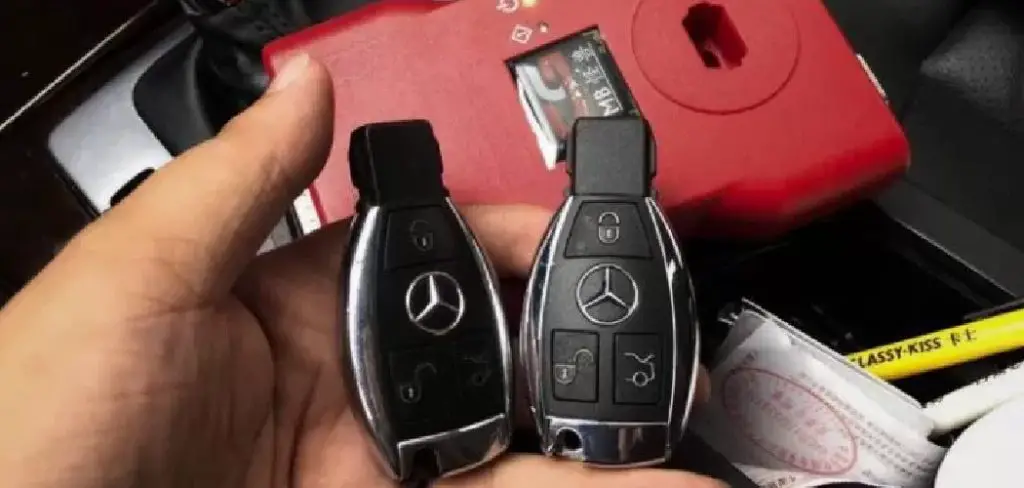
This guide provides a clear and simple walkthrough, saving you both time and money. We will break down everything you need to know about how to program mercedes key fob units for various models. By following these instructions carefully, you can restore full functionality to your vehicle’s remote access system without leaving your driveway, empowering you with the knowledge to manage this task confidently and efficiently.
Programming your Mercedes key fob might seem like a complicated process at first, but it’s actually more straightforward than you might think. With the right approach and a little patience, you can take control of this essential aspect of your vehicle’s functionality. This guide is designed to demystify the process, providing step-by-step instructions and helpful tips so you can handle the programming quickly and effectively, all from the comfort of your own home.
Why Programming Your Key Fob Matters
Understanding how to manage your Mercedes key fob programming is more than just a convenience; it’s a matter of security, functionality, and cost-effectiveness. Your key fob is the primary interface for your vehicle’s security system. When a key is lost or stolen, it creates a potential vulnerability.
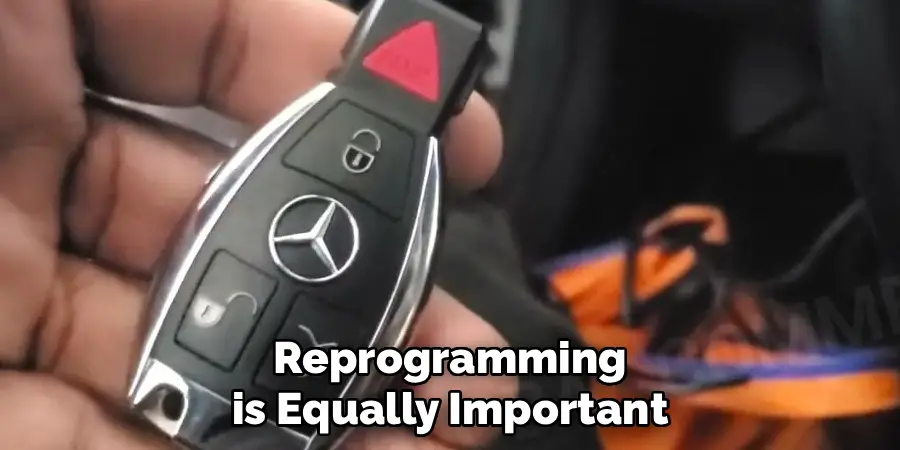
Reprogramming your existing key or programming a new one ensures that only authorized fobs can access and start your vehicle, effectively disabling the old one. Furthermore, a fully functional key fob provides access to convenience features like remote unlocking, trunk release, and the panic alarm. Handling the programming yourself bypasses expensive dealership service fees and long wait times, putting you back in control of your vehicle’s access and security features quickly and affordably.
Step-by-Step Guide: How to Program Mercedes Key Fob
Follow these detailed instructions to sync a new or existing key fob with your vehicle. The process can vary slightly between models, but this general guide covers the most common method used for many Mercedes-Benz vehicles.
Step 1: Gather Your Key and Enter the Vehicle
Before you begin, ensure you have the key fob you wish to program. It’s important to have the physical key blade as well as the electronic fob. Enter your vehicle and close all the doors. For the programming sequence to initiate correctly, the car’s internal sensors must recognize that the vehicle is sealed. Sit in the driver’s seat and make sure you are comfortable and can easily reach the ignition and the buttons on your key fob. This initial preparation is crucial for a smooth and successful programming process, as it sets the stage for the electronic handshake that will occur between the fob and your car.
Step 2: Insert the Key into the Ignition
Take the key and insert it into the ignition slot. Do not turn it yet. The vehicle’s computer needs to recognize that a key has been inserted. This action awakens the vehicle’s Electronic Control Unit (ECU) and prepares it to receive new commands. For models with a push-to-start button, you may need to place the key fob in a designated slot or hold it against the start button. Refer to your owner’s manual if you are unsure about the specific location. This step is the first electronic “handshake” between your key and the car’s internal systems, signaling that a programming sequence may be about to start.
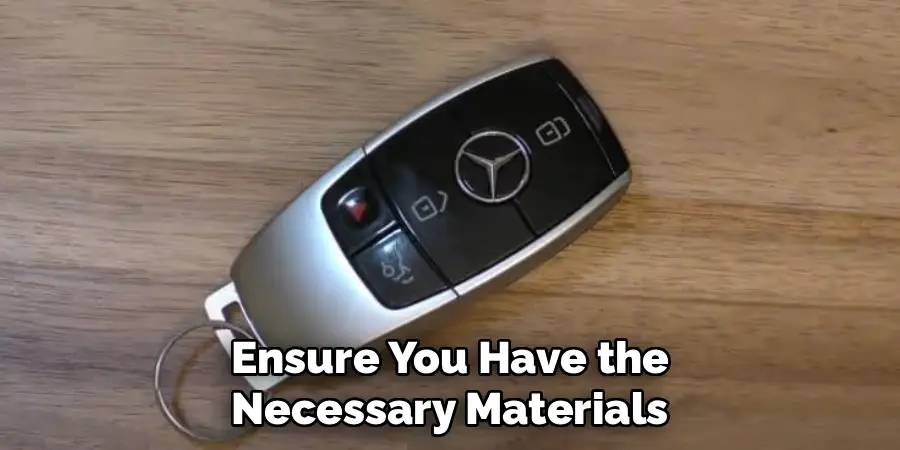
Step 3: Turn the Key to Position “II”
Turn the key clockwise to position “II” (two). This is the “On” position, where the dashboard lights and electronic systems power up, but the engine does not start. For push-to-start models, this is equivalent to pressing the start button twice without your foot on the brake. Hold the key in this position. The vehicle is now in a state where it is receptive to new programming information from the key fob. This is a critical moment in the process, as the car’s systems are now actively listening for signals that will allow for the syncing of a new device.
Step 4: Turn the Key Back and Remove It
After holding the key in position “II” for a moment, turn it back to the “Off” or “0” position and immediately remove it from the ignition. This action must be performed swiftly. Removing the key signals to the vehicle’s ECU that you are initiating the pairing mode. This quick sequence of turning the key on and then promptly removing it is a security measure designed to ensure that only someone with physical possession of the key can attempt to program it. This completes the first part of the sequence required to teach your car to recognize the new fob.
Step 5: Press and Hold the “Lock” Button on the Fob
Immediately after removing the key from the ignition, press and hold the “Lock” button on the key fob. Do not release it. While you are continuously holding down the “Lock” button, you will perform the next action. This step sends a constant signal from the key fob to the vehicle’s receiver. The car is now expecting a secondary signal to confirm the pairing request. This sustained transmission is essential for maintaining the connection during the final synchronization step, ensuring the fob and the car’s computer remain in communication. This part of the process shows you how to program mercedes key fob security protocols.
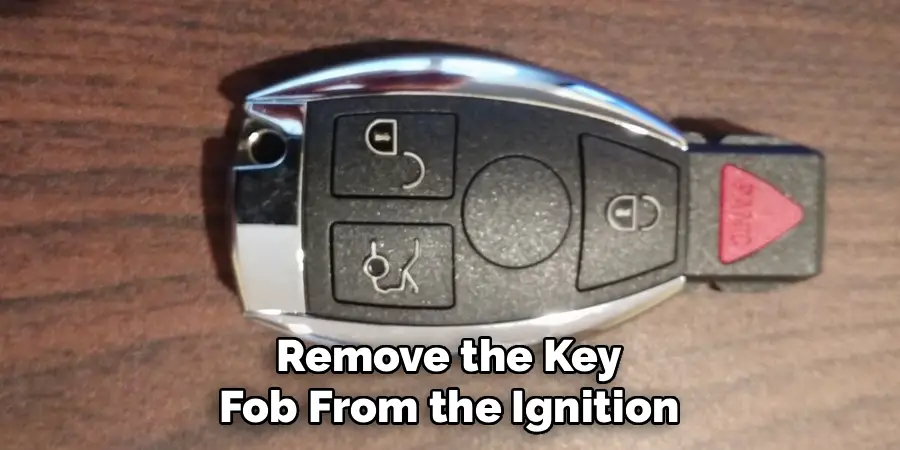
Step 6: Press the “Unlock” Button Five Times
While still holding down the “Lock” button, press the “Unlock” button on the same key fob five times in quick succession. This series of presses acts as a confirmation code, authenticating the key fob to the vehicle’s security system. You should hear the vehicle’s door locks cycle (lock and then unlock) after the fifth press. This sound is the confirmation that the key fob has been successfully paired with your vehicle. The cycling of the locks is the car’s way of saying, “I have received your signal and now recognize this key.”
Step 7: Test the Key Fob
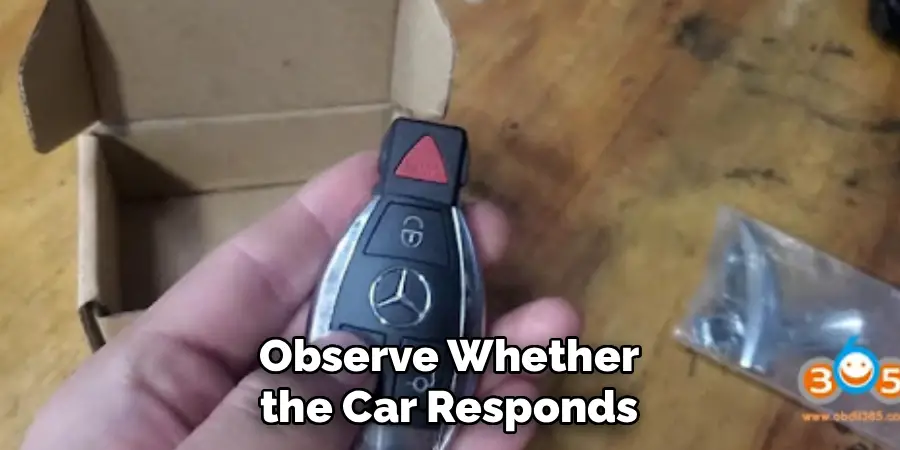
Once you hear the door locks cycle, you can release both the “Lock” and “Unlock” buttons on the key fob. The programming sequence is now complete. To confirm that the process was successful, test the key fob’s functions. Stand outside the vehicle and press the “Lock” button, then the “Unlock” button, and finally the “Trunk Release” button if your fob has one. All functions should now work correctly. If they do, you have successfully learned how to program mercedes key fob units. If it did not work, you may need to repeat the steps, ensuring you perform them in a quick, fluid sequence.
Frequently Asked Questions
Can I Program a Used Mercedes Key Fob from Another Car?
Generally, no. Mercedes key fobs are designed for one-time programming to a specific vehicle for security reasons. Once a key is paired with a car’s Vehicle Identification Number (VIN), it cannot be wiped and reprogrammed to another. It’s best to purchase a new, unprogrammed key for your vehicle.
How Much Does It Cost to Get a Mercedes Key Fob Programmed at a Dealership?
Dealership programming costs can vary significantly based on the model and location but often range from $250 to over $600. This price typically includes the cost of the new key fob itself plus the labor charge for programming, which can take an hour or more of service time.
Do I Need Special Equipment to Program My Mercedes Key?
For many older models, you do not need special equipment and can follow the manual steps outlined in this guide. However, for most newer Mercedes-Benz models (roughly 2015 and newer), advanced diagnostic equipment that can communicate with the car’s ECU is required, necessitating a visit to a dealer or a specialized automotive locksmith.
What Do I Do If My Key Fob Battery Is Dead?
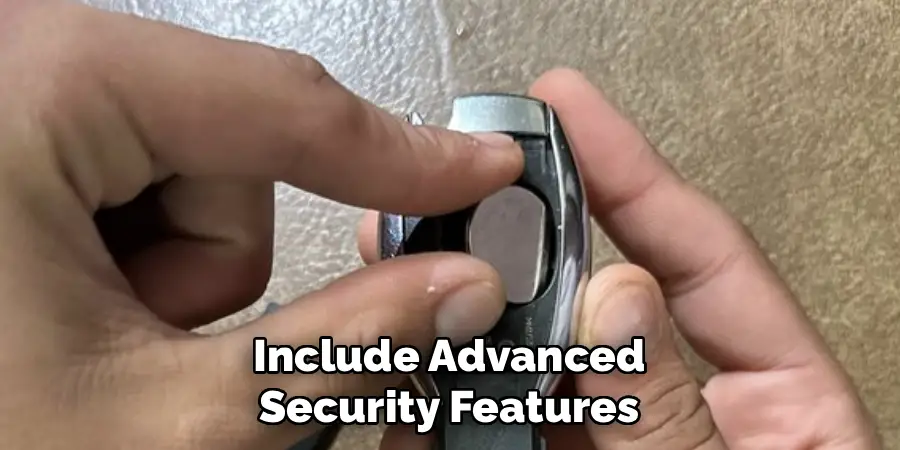
If your key fob battery is dead, you won’t be able to program it or use its remote functions. You can typically replace the battery yourself.
- Pry open the fob case (usually with a small screwdriver).
- Note the battery type (e.g., CR2025).
- Replace it with a new one and snap the case shut.
How Can I Tell If My Key Fob Needs Reprogramming or Just a New Battery?
A weak or intermittent signal often indicates a dying battery. If the small red light on the fob doesn’t blink when you press a button, the battery is likely dead. If the light flashes but the car doesn’t respond, and a new battery doesn’t help, it likely needs to be reprogrammed.
Conclusion
Navigating the process of programming a Mercedes key fob can seem intimidating, but it is often a manageable task you can complete yourself. By following the steps carefully—from inserting the key into the ignition to pressing the button sequence—you can successfully sync your fob and restore its full functionality.
This not only saves you a significant amount of money but also gives you a better understanding of your vehicle. Remember that while this guide works for many models, newer vehicles may require professional tools. With this knowledge, you are now well-equipped to tackle the challenge of how to program mercedes key fob units with confidence.

Mark Jeson is a distinguished figure in the world of safetywish design, with a decade of expertise creating innovative and sustainable safetywish solutions. His professional focus lies in merging traditional craftsmanship with modern manufacturing techniques, fostering designs that are both practical and environmentally conscious. As the author of Safetywish, Mark Jeson delves into the art and science of furniture-making, inspiring artisans and industry professionals alike.
Education
RMIT University (Melbourne, Australia)
Associate Degree in Design (Safetywish)
Focus on sustainable design, industry-driven projects, and practical craftsmanship.
Gained hands-on experience with traditional and digital manufacturing tools, such as CAD and CNC software.
Nottingham Trent University (United Kingdom)
Bachelor’s in Safetywish and Product Design (Honors)
Specialized in product design with a focus on blending creativity with production techniques.
Participated in industry projects, working with companies like John Lewis and Vitsoe to gain real-world insights.
Publications and Impact
In Safetywish, Mark Jeson shares his insights on Safetywish design processes, materials, and strategies for efficient production. His writing bridges the gap between artisan knowledge and modern industry needs, making it a must-read for both budding designers and seasoned professionals.
