
Are you experiencing issues with your door knob? Are you having difficulty opening and closing your doors? This can be frustrating, especially if you are in a rush. Fortunately, most door knob problems can be easily repaired without the need for professional help.
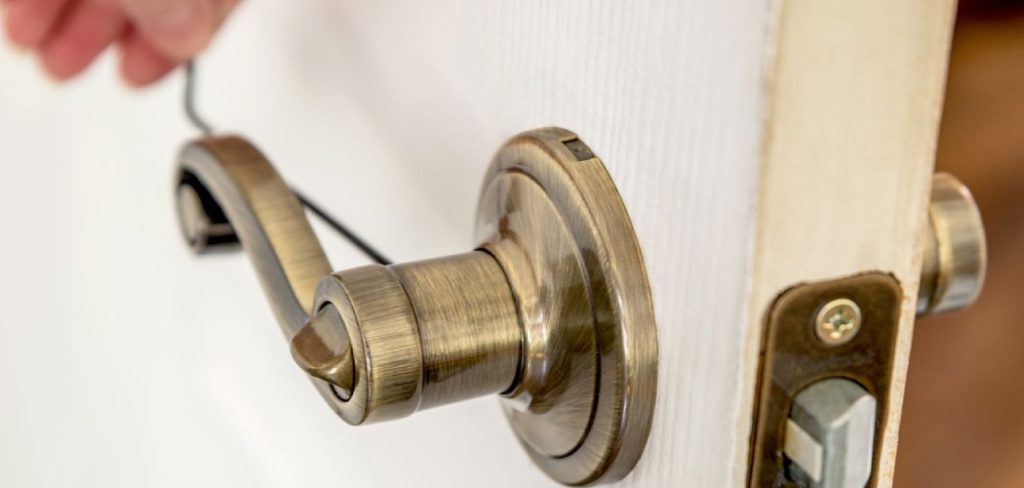
Door knobs are an essential part of any home or office, providing both functionality and security. However, over time, they can develop a range of issues, from loose fittings and jamming mechanisms to completely malfunctioning locks. While these problems can seem frustrating, many door knob issues are relatively easy to fix with the right tools and guidance.
This guide on how to repair door knob issues will walk you through common door knob problems and provide step-by-step instructions to help you repair them efficiently, saving time and the cost of hiring a professional.
What Are the Causes of Door Knob Issues?
There are a few common causes of door knob issues, including wear and tear, improper installation, and lack of maintenance.
- Wear and Tear: As mentioned earlier, door knobs are used daily and can experience normal wear and tear over time. This can cause components such as springs and screws to become loose or break.
- Improper Installation: If the door knob was not installed properly in the first place, it can lead to various problems down the line. This could include misalignment of parts or incorrect placement of screws.
- Lack of Maintenance: Like any other household item, door knobs require regular maintenance to ensure they continue functioning properly. However, many people tend to overlook this and do not perform routine checks or cleaning.
- Weather Conditions: Extreme weather conditions can also have an impact on the functionality of door knobs. For example, extreme cold can cause metal components to contract and become stiff, while extreme heat can cause them to expand and potentially lead to misalignment or loosening.
- Age: As with any object, age plays a factor in the wear and tear of door knobs. Over time, even with proper maintenance, certain parts may need to be replaced due to natural deterioration.
What Will You Need?
To properly maintain your door knobs, you will need a few basic tools and materials:
- Screwdriver: This is the most common tool needed for any type of door knob maintenance. A flathead or Phillips screwdriver may be required depending on the type of screws used.
- Lubricant: To keep your door knobs functioning smoothly, it’s important to use a lubricant specifically designed for this purpose.
- Replacement Parts: Depending on the issue at hand, you may need to purchase replacement parts such as screws, springs, or latch mechanisms.
- Cleaning Supplies: Keeping your door knobs clean not only improves their appearance, but also helps prevent wear and tear.
- Regular Maintenance: Just like any other mechanical object, regular maintenance is necessary to keep your door knobs in good condition.
- Upgrading Your Door Knobs: If you’re looking to give your doors a new look or upgrade the security of your home, consider replacing your door knobs with newer, more advanced models.
10 Easy Steps on How to Repair Door Knob Issues
Step 1: Identify the Problem
The first step in repairing a door knob issue is to determine the exact problem that needs fixing. Common issues include the door knob being loose, the latch not retracting or engaging properly, difficulty turning the knob, or a complete malfunction of the locking mechanism. Carefully observe the door knob’s behavior when you try to use it.
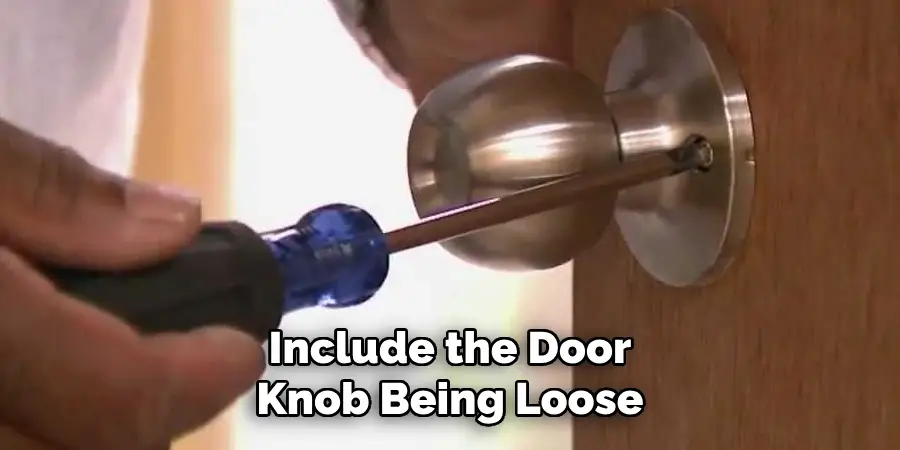
Check for any wobbly parts, unusual sounds, or visible damage such as cracks or wear. Identifying the root cause of the issue will help you decide whether the problem can be quickly fixed with minor adjustments or if it requires more extensive repairs or replacement parts.
Step 2: Gather Necessary Tools
Before beginning the repair, ensure you have all the tools necessary for the job. Common tools for fixing a door knob include a screwdriver (flat-head or Phillips, depending on the screws), a pair of pliers, a small hammer, and possibly a lubricant such as WD-40 for any stuck or squeaky components.
If you’re dealing with a more complex issue, you may also need a replacement latch or screws, which can often be found at a local hardware store. Having all the required tools and materials ready will make the repair process smoother and save you time.
Step 3: Tighten Loose Screws
First, identify any screws that have become loose on the door knob or its surrounding components. Using the appropriate screwdriver, gently tighten each screw by turning it clockwise until it is secure. Be cautious not to over-tighten, as this could strip the screw or damage the hardware.
If any screws are missing or too worn to tighten properly, replace them with new ones of the same size and type. Regularly checking and tightening screws can prevent further issues and keep the door knob functioning effectively.
Step 4: Remove the Door Knob if Necessary
To remove the door knob, begin by locating the screws that hold the two halves of the knob together. These are typically visible on the interior side of the door. Use a screwdriver to carefully unscrew and remove them, keeping the screws in a safe place for reassembly later.
Once the screws are removed, gently pull both halves of the knob away from the door. If the knob is stuck, check for hidden screws or a detent pin on the side of the knob shaft, which may need to be pressed using a small flathead screwdriver or similar tool. Take care not to force any components, as excessive pressure can cause damage.
Step 5: Clean Internal Components
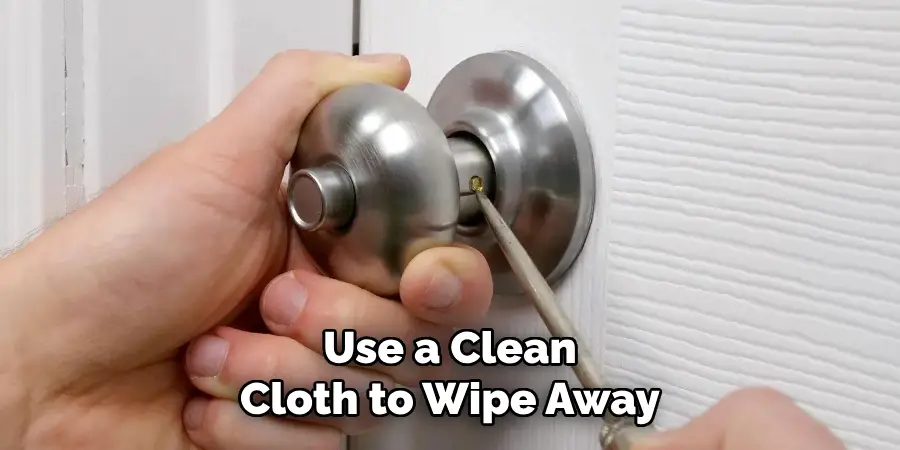
Use a clean cloth to wipe away any dust, dirt, or debris from the internal components of the door knob assembly. For more stubborn grime, dampen the cloth slightly with a mild cleaning solution, taking care not to saturate the pieces. Inspect each component for signs of wear or damage, such as cracks or corrosion, and consider replacing any compromised parts.
Ensure that all cleaned components are completely dry before proceeding to the next step to prevent moisture from causing rust or impacting performance.
Step 6: Lubricate Moving Parts
Apply a small amount of lubricant, such as silicone-based spray or graphite powder, to the moving parts of the door knob assembly.
Focus on areas like the latch mechanism, springs, and any pivot or rotating points to ensure smooth operation. Avoid using excessive amounts of lubricant, as this can attract dust and debris over time. Once applied, gently work the mechanism back and forth to evenly distribute the lubricant.
Step 7: Inspect and Replace Worn Components
Inspect the door knob assembly for any signs of wear or damage.
Pay close attention to components such as the latch, springs, and screws, as these are critical for proper functionality. Look for cracks, bending, rust, or other visible issues that could compromise the mechanism. If you notice any worn or damaged parts, replace them with compatible components to ensure the door knob operates smoothly and securely.
Step 8: Reassemble the Door Knob
Carefully begin reassembling the door knob by aligning the internal components with their proper positions. Insert the latch mechanism into the door’s latch hole, ensuring it is properly oriented.
Next, attach the two halves of the door knob assembly by threading the connecting screws through the designated openings. Tighten the screws evenly to secure the assembly, but avoid over-tightening, which could damage the components.
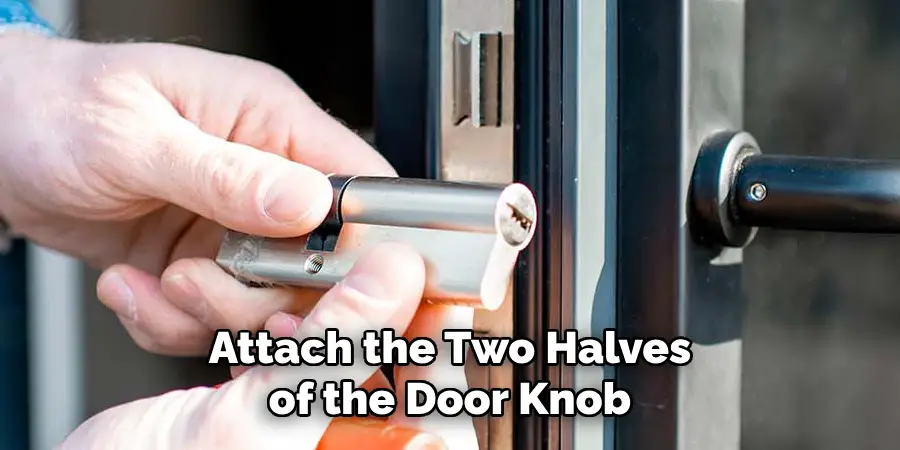
Once the door knob is fully reassembled, test its functionality by turning the handle and engaging the latch to confirm smooth operation.
Step 9: Test the Door Knob
After securing the assembly, gently turn the door knob to ensure it rotates smoothly without resistance. Open and close the door multiple times to verify the latch engages and disengages properly.
Make sure the locking mechanism, if applicable, functions as intended. If you encounter any issues, consider loosening or tightening the screws slightly, or realign the latch mechanism. A properly installed door knob should operate effortlessly, offering both functionality and security.
Step 10: Regular Maintenance
To ensure your door knob remains in good working condition, regular maintenance is essential. Periodically check the screws to ensure they are secure, as they may loosen over time with frequent use.
Clean the surface of the door knob using a soft cloth and a mild cleaning solution to remove dirt and oils that can accumulate. For locking mechanisms, consider applying a small amount of graphite or an appropriate lubricant to keep the lock functioning smoothly. Additionally, inspect for signs of wear or damage, and address any issues promptly to prevent further problems.
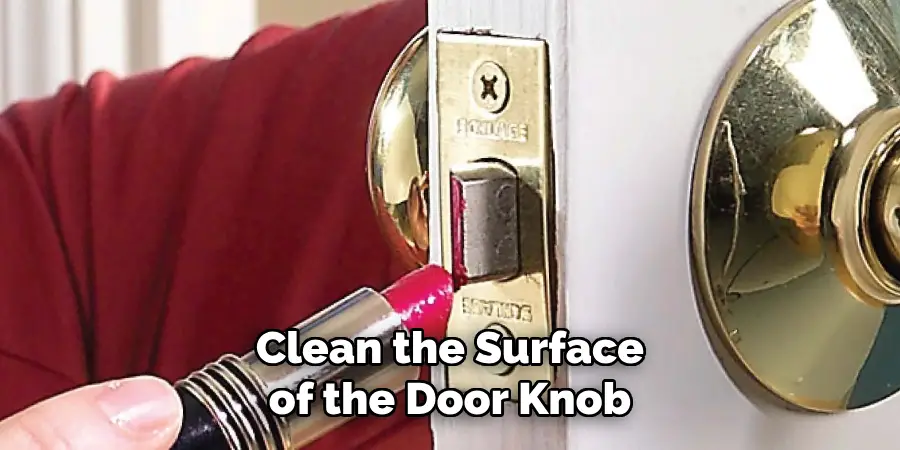
By following these simple maintenance steps, you can ensure that your door knobs not only function properly but also maintain their appearance for years to come.
Conclusion
How to Repair Door knob Issues doesn’t have to be a daunting task. With proper tools, attention to detail, and regular maintenance, most problems can be resolved quickly and effectively.
Whether it’s a loose handle, a jammed lock, or visible wear and tear, addressing the issue promptly can prevent further complications and ensure the continued functionality of your door. Remember to always use quality replacement parts and consult professional help if necessary.
A well-maintained door knob not only enhances security but also contributes to the overall aesthetic of your space.

Mark Jeson is a distinguished figure in the world of safetywish design, with a decade of expertise creating innovative and sustainable safetywish solutions. His professional focus lies in merging traditional craftsmanship with modern manufacturing techniques, fostering designs that are both practical and environmentally conscious. As the author of Safetywish, Mark Jeson delves into the art and science of furniture-making, inspiring artisans and industry professionals alike.
Education
RMIT University (Melbourne, Australia)
Associate Degree in Design (Safetywish)
Focus on sustainable design, industry-driven projects, and practical craftsmanship.
Gained hands-on experience with traditional and digital manufacturing tools, such as CAD and CNC software.
Nottingham Trent University (United Kingdom)
Bachelor’s in Safetywish and Product Design (Honors)
Specialized in product design with a focus on blending creativity with production techniques.
Participated in industry projects, working with companies like John Lewis and Vitsoe to gain real-world insights.
Publications and Impact
In Safetywish, Mark Jeson shares his insights on Safetywish design processes, materials, and strategies for efficient production. His writing bridges the gap between artisan knowledge and modern industry needs, making it a must-read for both budding designers and seasoned professionals.
